The New Science of Craving
February 2, 2026 - 22:26
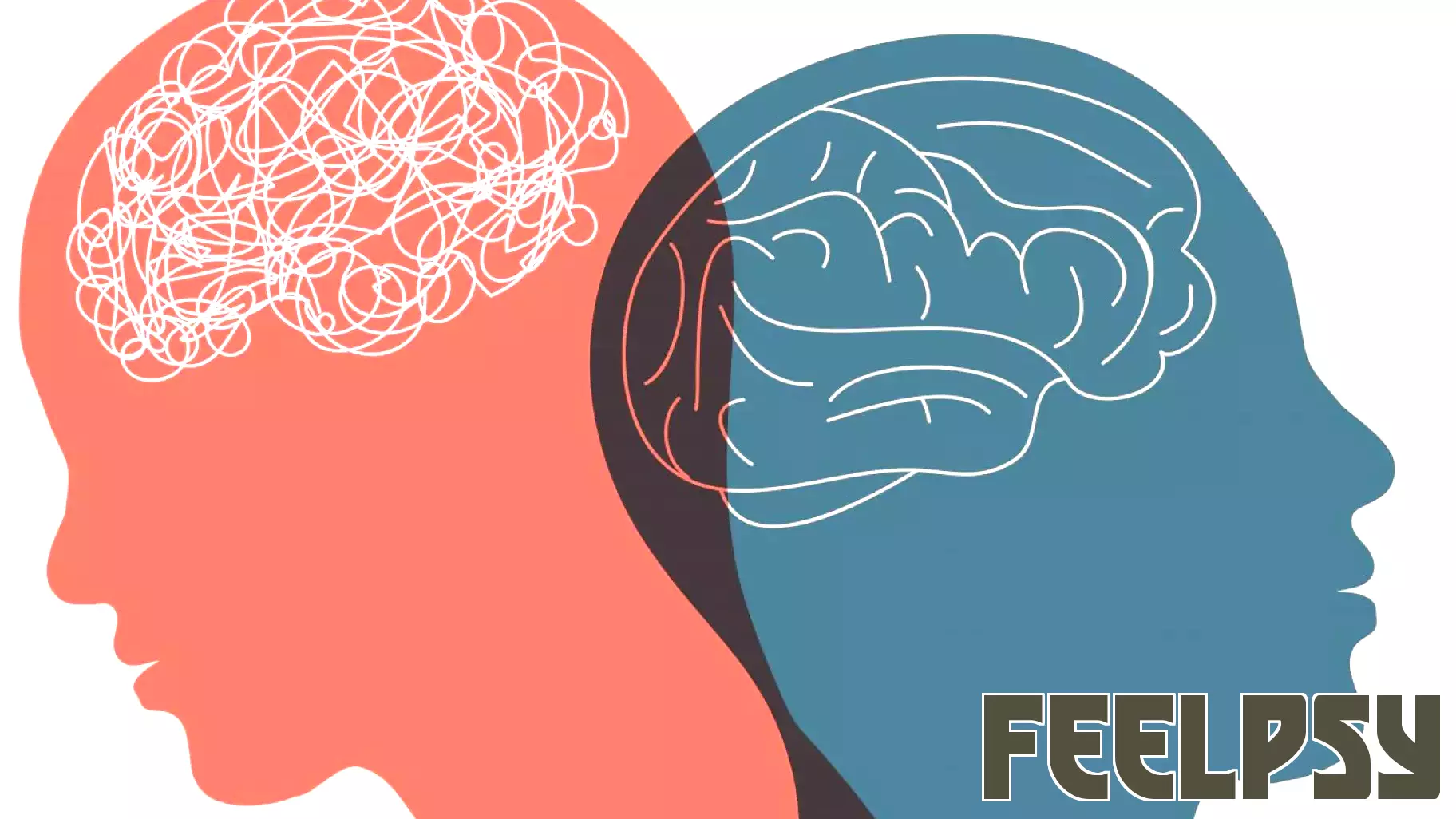
The powerful urges we experience, from the pull of addictive substances to the longing for social validation, are often framed as personal failings or weaknesses of will. However, a growing body of research in neuroscience and psychology is fundamentally shifting this view, revealing cravings as complex brain-based processes rather than simple moral flaws.
Scientists now understand that craving is rooted in the brain's reward system, particularly a network involving dopamine. This system, essential for survival, reinforces behaviors necessary for life, like eating. When hijacked by substances or compulsive behaviors, it creates powerful learned associations. Cues in our environment—a specific smell, place, or emotional state—can trigger a cascade of neural activity, generating an intense motivational drive to seek the reward.
This biological mechanism operates largely outside conscious control. The brain's prefrontal cortex, responsible for judgment and impulse control, can become impaired, making it harder to override these deep-seated signals. Psychology adds another layer, showing how cravings can also stem from an attempt to regulate emotions or cope with stress, trauma, or disconnection.
The emerging science suggests that treating problematic cravings requires addressing the underlying brain circuitry and psychological needs, moving beyond stigma toward strategies rooted in compassion and evidence-based intervention. This paradigm shift offers a more humane and effective path to understanding human behavior.
MORE NEWS

September 17, 2026 - 05:06
Why Highly Intelligent People Rarely Complain About These 7 ThingsPsychologists suggest that highly intelligent individuals tend to complain less often, and the reason is not simply raw IQ. According to experts like Nick Wignall and Judith Tutin, emotional...

September 16, 2026 - 00:56
A Cree psychotherapist reflects on relationship, belonging and the illusion of a fixed selfAn Anishinaabe storyteller and healer from Serpent River First Nation is sharing Ojibwe teachings on suffering, acceptance and ceremony as a way to connect Indigenous healing wisdom with...

September 15, 2026 - 08:18
Why Some People Stay Confident When Others Take Everything PersonallyConfidence is not about being oblivious to what happens around you. It is about noticing events, comments, and reactions without turning them into a story about your worth. That distinction matters...

September 14, 2026 - 20:07
Friendship budgets, Jungian psychology and years of Dortmund DIY shows - behind the scenes of "Chrysopoeia" by MORAL BOMBINGMoral Bombing released `Chrysopoeia` on August 13, 2026, through Gizzmoix Records, Spleencore Records, and Villus Records. The album is a unique blend of personal experiences, deep psychological...