**Reclaiming Calm: The Radical Act of Mindful Breathing in a Digital Age**
February 2, 2026 - 01:07
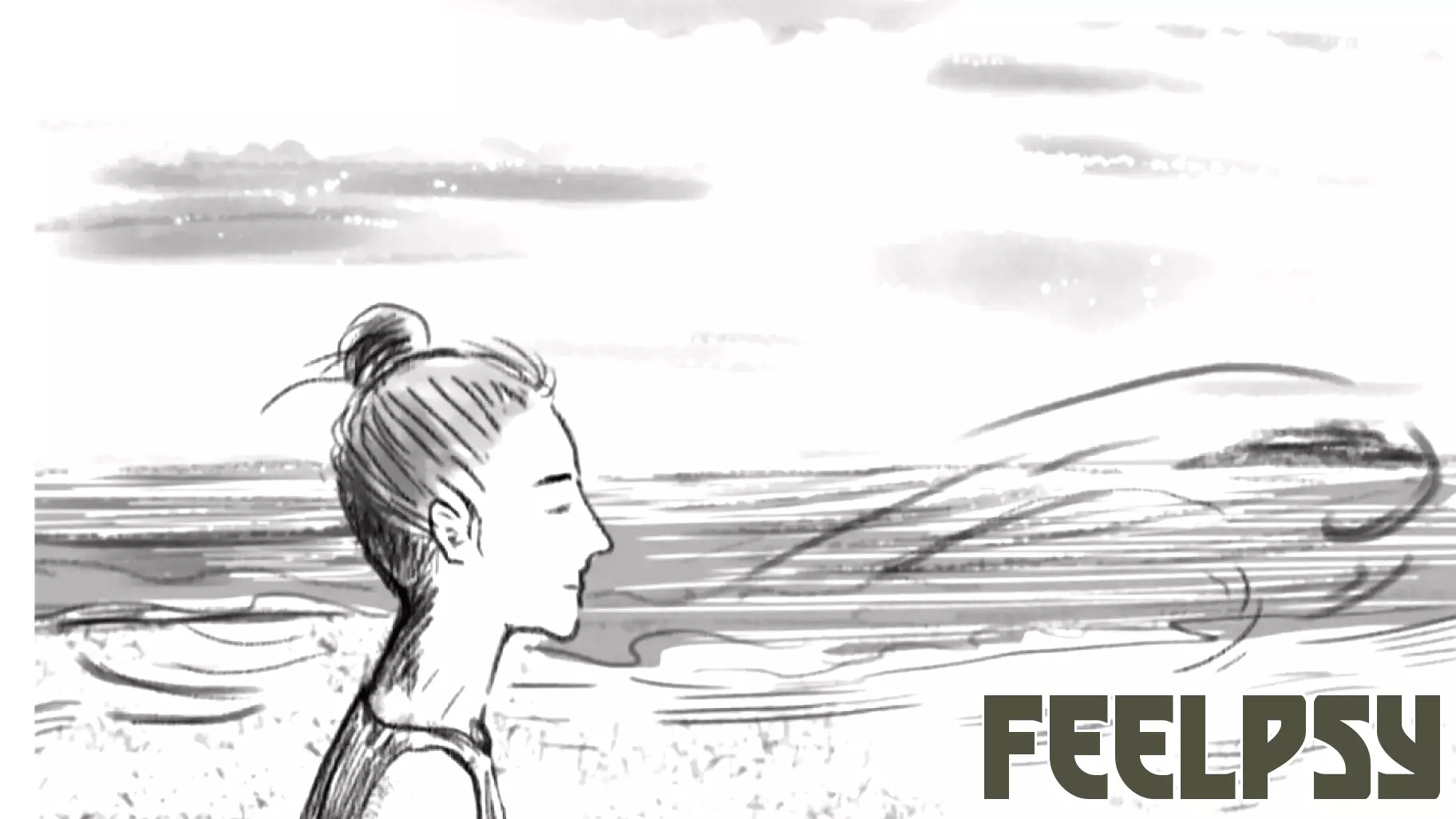
In an era where social media algorithms often thrive on outrage and anxiety, a quiet counter-movement is gaining ground. The constant stream of alarming news, polarized debates, and curated perfection can leave users feeling perpetually stressed, angry, and fearful. This state, experts argue, is not an accident but a byproduct of platforms designed to maximize engagement, often at the cost of our mental well-being.
The question arises: who truly benefits from this cycle of digital distress? The answer, for many advocates of digital wellness, is clearly not the individual user. Instead, the relentless churn of emotion drives clicks, ad revenue, and platform loyalty. Recognizing this dynamic is the first step toward reclaiming personal peace.
In response, individuals are turning to a deceptively simple tool: conscious breathing. The act of intentionally pausing to take a deep breath serves as a personal circuit breaker against the torrent of online stimuli. This practice of mindfulness, even for a few moments, can lower cortisol levels, reduce the fight-or-flight response, and create critical space between reaction and response.
By choosing to step away from the screen and focus on one's breath, a person performs a small but potent act of defiance. It is a way to disarm the mechanisms that seek to capture attention through negativity, recentering control within the individual. In a landscape designed to agitate, finding calm is not just self-care—it is a conscious choice to resist manipulation and protect one's own mental space.
MORE NEWS

September 15, 2026 - 08:18
Why Some People Stay Confident When Others Take Everything PersonallyConfidence is not about being oblivious to what happens around you. It is about noticing events, comments, and reactions without turning them into a story about your worth. That distinction matters...

September 14, 2026 - 20:07
Friendship budgets, Jungian psychology and years of Dortmund DIY shows - behind the scenes of "Chrysopoeia" by MORAL BOMBINGMoral Bombing released `Chrysopoeia` on August 13, 2026, through Gizzmoix Records, Spleencore Records, and Villus Records. The album is a unique blend of personal experiences, deep psychological...

September 14, 2026 - 02:24
Why Names Slip Away and What It Says About Your MemoryIt happens to almost everyone. You meet someone new, chat for a few minutes, and then the name vanishes. The face stays familiar, the conversation remains clear, but the name is gone. Many people...

September 13, 2026 - 03:43
The Cousin Closest in Age Shaped How You Measured YourselfGrowing up, the cousin nearest your age often felt less like a relative and more like a rival, an ally, or both at once. Psychologists suggest this relationship carried a weight that few families...