New Year, new decisions
January 31, 2026 - 11:23
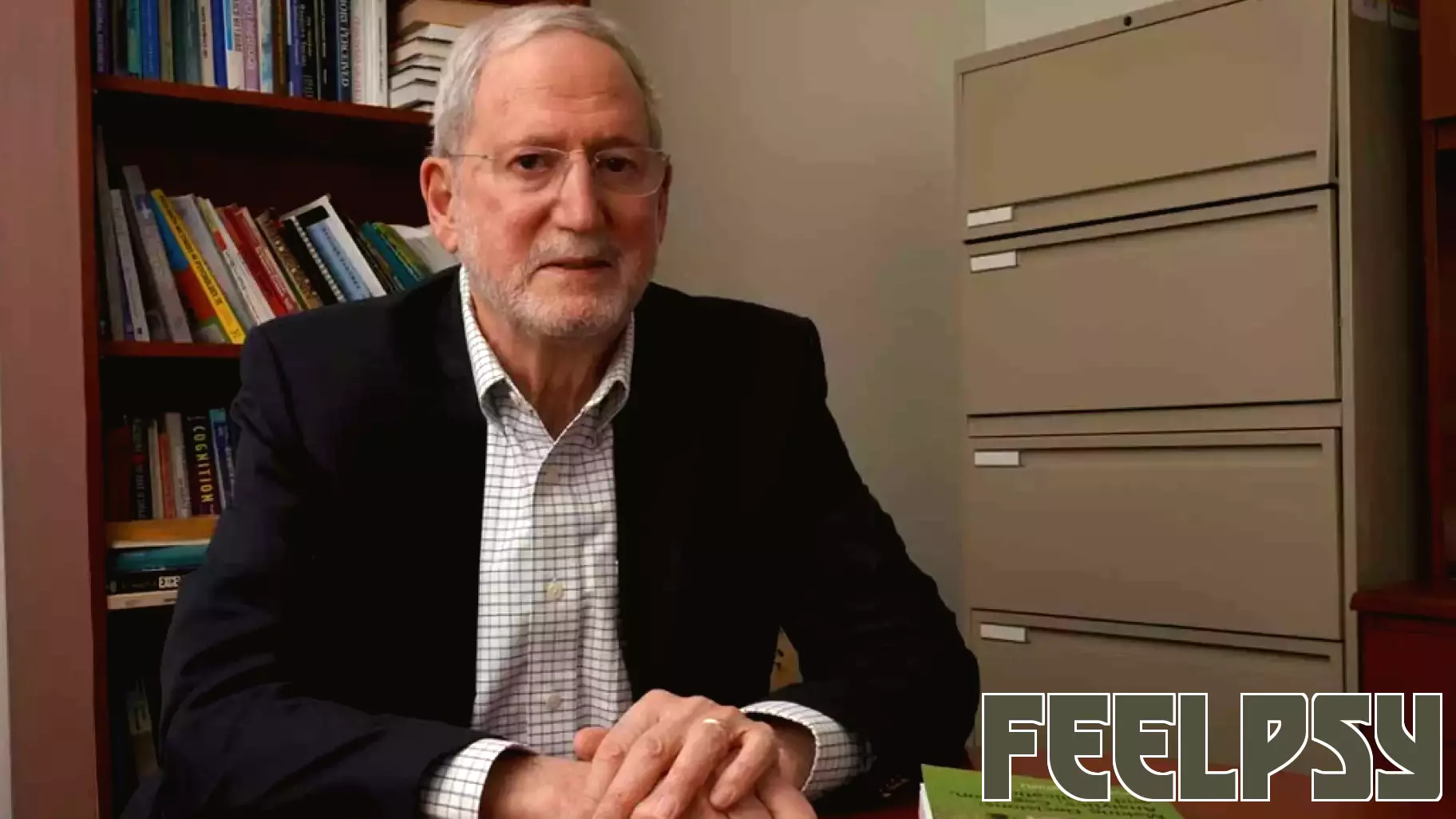
As the calendar turns, millions of people worldwide engage in the annual tradition of setting goals and resolutions. The process of making these decisions, however, is far more complex than simply choosing a desired outcome. The psychology behind how we make choices, especially significant ones tied to a fresh start, reveals why some resolutions stick while others quickly fade.
Experts explain that decision-making is rarely a perfectly rational process. It is often influenced by cognitive biases, emotional states, and mental shortcuts. The optimism of a new beginning can lead to ambitious goal-setting without a concrete plan for the challenges ahead. Furthermore, the brain tends to value immediate rewards over long-term benefits, making it difficult to maintain commitments that don't provide instant gratification.
Effective decision-making for lasting change involves structuring choices to minimize future friction. This means breaking large goals into smaller, manageable actions and anticipating potential obstacles. Understanding the science behind our choices empowers individuals to craft resolutions that are not just hopeful wishes, but structured plans with a higher probability of success. By recognizing the mental processes at play, we can approach personal improvement with greater strategy and self-compassion throughout the coming year.
MORE NEWS

September 14, 2026 - 02:24
Why Names Slip Away and What It Says About Your MemoryIt happens to almost everyone. You meet someone new, chat for a few minutes, and then the name vanishes. The face stays familiar, the conversation remains clear, but the name is gone. Many people...

September 13, 2026 - 03:43
The Cousin Closest in Age Shaped How You Measured YourselfGrowing up, the cousin nearest your age often felt less like a relative and more like a rival, an ally, or both at once. Psychologists suggest this relationship carried a weight that few families...

September 12, 2026 - 10:43
Psychology says your willpower beliefs determine if you choose hard tasks: 2026 study shows nonlimited minNew research suggests that what you believe about willpower can directly influence the kinds of goals you set for yourself. The findings, published in 2026, point to a clear pattern: people who see...

September 11, 2026 - 20:27
Why 1980s Childhood Habits Seem Impossible TodayChildren who grew up in the 1980s experienced a level of independence that many parents today find difficult to imagine. Known as the latchkey generation, these kids walked home from school alone,...