The Growing Influence of AI on Mental Health
January 18, 2026 - 01:55

The rise of artificial intelligence comes with both risks and benefits for human mental health, necessitating a careful and considerate approach moving forward. As AI technologies become increasingly integrated into daily life, their impact on emotional well-being is becoming more pronounced. On one hand, AI-driven applications can provide valuable resources for mental health support, offering personalized therapy options and immediate access to coping strategies. These innovations have the potential to democratize mental health care, making support more accessible to those who may not have sought help otherwise.
Conversely, the pervasive use of AI can also lead to negative consequences. Issues such as social isolation, dependency on technology for emotional support, and the risk of exacerbating existing mental health conditions are significant concerns. Furthermore, the constant comparison facilitated by social media algorithms can contribute to anxiety and depression. As society continues to embrace AI, it is crucial to strike a balance, ensuring that the technology serves to enhance mental health rather than undermine it. A thoughtful dialogue among stakeholders, including mental health professionals, technologists, and policymakers, is essential to navigate this complex landscape.
MORE NEWS
October 15, 2026 - 01:21
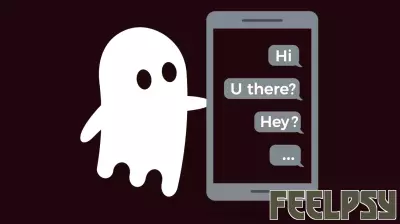
Ghosting Isn't Always Guilt-Free for the One Who Walks AwayBeing ghosted hurts. The silence, the unanswered messages, the sudden disappearance of someone who once seemed invested. It is easy to assume the person on the other side feels nothing at all. But...

October 14, 2026 - 04:32
Former OpenAI Safety Lead Warns of Reckless Race After DepartureA former safety leader at OpenAI has gone public with sharp criticism of the artificial intelligence industry, describing a culture where financial pressure and fear push companies to release...
October 13, 2026 - 04:38
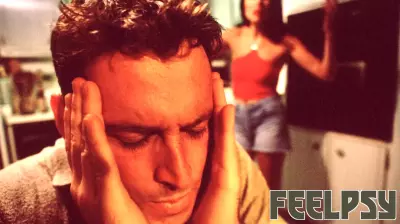
Why Contempt Is One of the Most Destructive Habits in a RelationshipEye rolls, mockery, and sarcasm can signal contempt, a destructive relationship habit researchers have linked to divorce and illness. Psychologists consider contempt one of the worst patterns that...

October 12, 2026 - 01:12
Mothers Still Face Harsh Judgment for Putting Themselves FirstSociety continues to send a clear message to mothers: your needs come last. Any attempt to prioritize personal well being is often met with criticism, side eye, or outright condemnation. The...