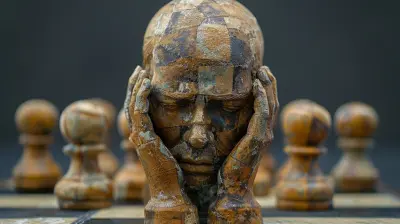
Trauma in Relationships: How Past Wounds Shape Present Connections
9 September 2026
Relationships are beautiful, messy, and deeply emotional. But what happens when past wounds creep into our present relationships? Trauma, whether from childhood or previous relationships, has a way of weaving itself into our current connections, often without us even realizing it.
If you’ve ever wondered why you react a certain way in relationships or why intimacy sometimes feels difficult, your past might be playing a bigger role than you think. Let’s dive into how trauma affects relationships and what you can do to break free from its grip.

Understanding Trauma in Relationships
Trauma isn't always about major life events. Sure, abuse, neglect, or betrayal can leave deep scars, but even smaller emotional wounds—like being consistently ignored as a child or having a partner who gaslit you—can shape how you interact with others.When unresolved trauma lingers, it often influences our attachment style, emotional triggers, and even how we communicate. Recognizing these patterns is the first step to healing and building healthier relationships.
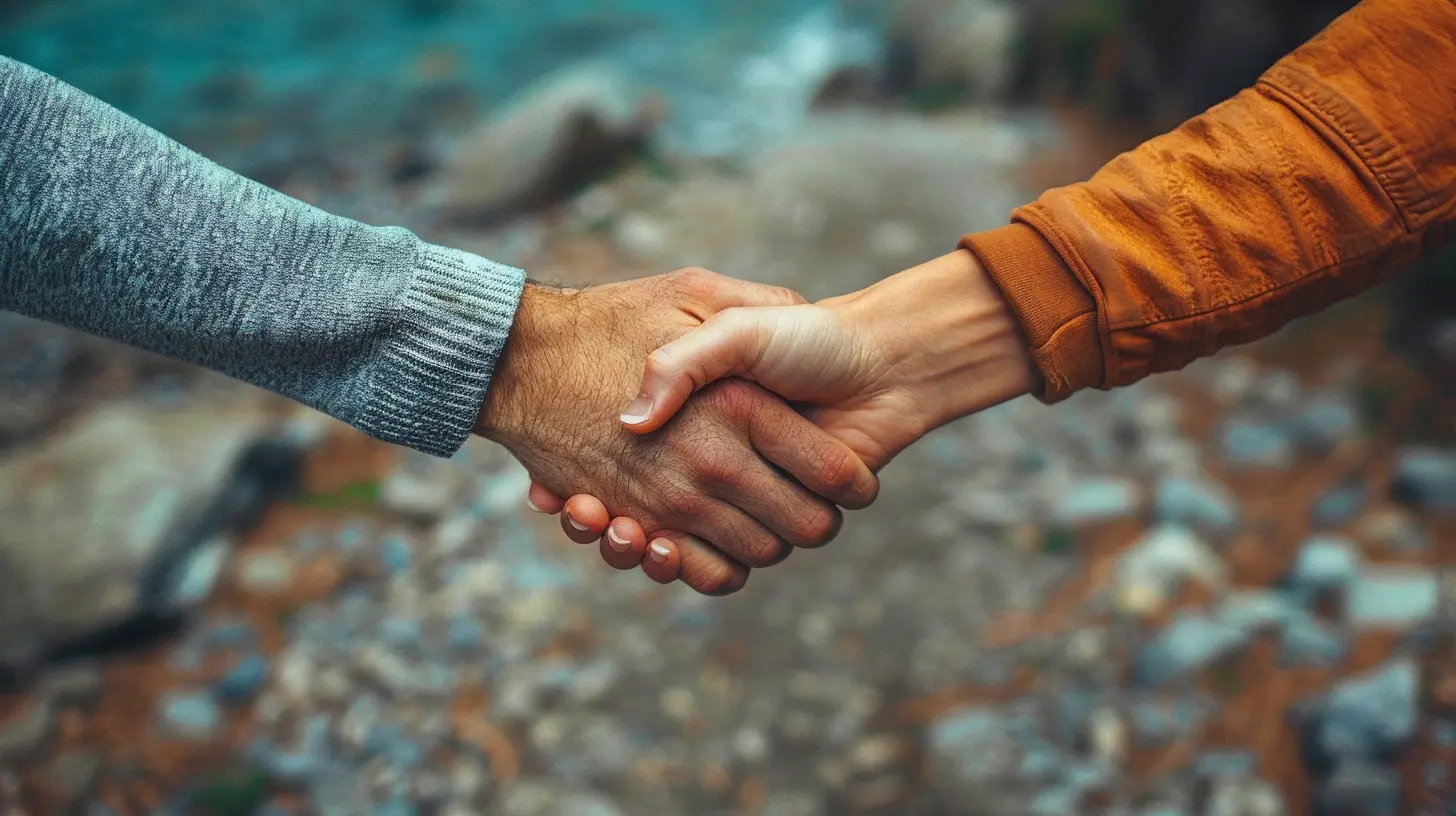
How Past Trauma Shows Up in Relationships
Trauma doesn’t just disappear. It tends to manifest in different ways, often subtly. Here are some common ways past wounds shape present connections:1. Fear of Abandonment
If you've experienced neglect or lost a significant relationship, you might find yourself overly anxious in relationships. You could constantly seek reassurance, fear that your partner will leave, or struggle with trust.2. Emotional Walls and Avoidance
On the flip side, some people respond to trauma by shutting others out. If you’ve been hurt before, you might build emotional walls, avoiding deep connections to protect yourself from pain.3. Repeating Toxic Patterns
Ever feel like you’re dating the same type of person over and over, even if they’re not good for you? That’s trauma at work. Without healing, we can unconsciously gravitate toward familiar (but unhealthy) relationship patterns.4. Overreacting to Small Issues
A simple disagreement with your partner turns into a full-blown fight. Sound familiar? Trauma can make us hyper-sensitive to certain triggers, causing us to react emotionally rather than logically.5. People-Pleasing Tendencies
If you grew up in an environment where love was conditional, you might become a people-pleaser in relationships—always putting your partner’s needs before your own to avoid conflict or rejection.
The Link Between Childhood Trauma and Adult Relationships
Many of these patterns stem from childhood experiences. Our earliest interactions with caregivers shape our understanding of love, trust, and self-worth.Psychologists call this attachment theory—the idea that how we were loved (or not loved) as children shapes how we connect with others as adults.
- Secure Attachment: If you had a stable, loving upbringing, you’re more likely to have healthy, secure relationships.
- Anxious Attachment: If love felt uncertain growing up, you might crave constant reassurance in relationships.
- Avoidant Attachment: If caregivers were distant or unresponsive, you might struggle with intimacy and emotional closeness.
- Disorganized Attachment: If your childhood was chaotic or abusive, you may have a mix of anxious and avoidant behaviors in relationships.
Understanding your attachment style can be a game-changer in recognizing unhealthy patterns and working toward better relationships.

Healing Trauma in Relationships
The good news? You’re not stuck with these patterns forever. Healing is possible, and it starts with awareness and intentional effort.1. Acknowledge Your Past
The first step is recognizing that your past is affecting your present. Self-awareness allows you to identify which wounds are still open and how they're influencing your behavior.2. Communicate with Your Partner
If trauma is affecting your relationship, honesty is key. Let your partner in on what you’re struggling with. A supportive partner can help create a safe space for healing.3. Seek Therapy or Counseling
Therapy can be life-changing when it comes to healing trauma. A therapist can help you unpack unresolved emotions, reframe negative beliefs, and develop healthier coping mechanisms.4. Practice Self-Compassion
You've been through a lot, and healing takes time. Be kind to yourself. Instead of blaming yourself for past mistakes, recognize that you're learning and growing.5. Rewrite Your Relationship Patterns
Breaking free from trauma means actively choosing different behaviors. If you tend to pull away when things get tough, try leaning in instead. If you panic over small conflicts, take a breath before reacting.6. Develop Healthy Boundaries
Healing doesn’t mean letting go of all defenses—it means learning when to open up and when to protect your emotional energy. Setting boundaries ensures you're not repeating past toxic dynamics.7. Surround Yourself with Supportive People
Healing isn’t a solo journey. Surround yourself with friends, family, or support groups that uplift you and encourage your growth.The Power of Healing: What Healthy Love Looks Like
Once you start addressing past wounds, relationships can transform in incredible ways. Healthy relationships are built on:- Mutual Trust & Respect: No manipulation, just genuine care and support.
- Open Communication: Both partners feel safe to express their thoughts and feelings.
- Emotional Security: Fears of abandonment or rejection no longer dictate relationship dynamics.
- Healthy Conflict Resolution: Disagreements happen, but they don’t spiral into chaos.
- Feeling Safe & Loved: A relationship should feel like home, not a battleground.
Healing doesn’t mean you’ll never have struggles, but it does mean you’ll be better equipped to handle them in a way that nurtures both you and your relationship.
Final Thoughts
Trauma has a sneaky way of shaping our relationships, but it doesn’t have to control them forever. Recognizing how past wounds influence your present connections is the first step toward breaking toxic cycles and building the healthy, loving relationship you deserve.Healing takes time, but every step forward is a step toward a better, more fulfilling connection—with others and, most importantly, with yourself.
all images in this post were generated using AI tools
Category:
Psychological TraumaAuthor:

Ember Forbes
Discussion
rate this article
1 comments
Ariana McMaster
Great article! It's important to understand how our past affects our present. Remember, healing takes time, but acknowledging those wounds can strengthen our connections. Each step forward is a victory, and every relationship is an opportunity to grow. Keep shining and embracing your journey. You got this!
September 14, 2026 at 4:34 AM