How Psychological Testing Can Help Diagnose Mental Health Disorders
3 January 2026
Mental health can be tricky. Unlike a broken arm or a fever, you can’t just look at someone and know exactly what's going on inside their head. That's where psychological testing steps in — like a mental health detective with a magnifying glass. But what exactly is psychological testing, and how does it help professionals make sense of the tangled web of mental health?
Let’s break it down in the simplest way possible. If you or someone you care about is struggling with their mental well-being, understanding how psychological testing works can be a game-changer. So, grab a cup of coffee (or tea), and let’s dive into the world of psychological testing and how it plays a crucial role in diagnosing mental health disorders.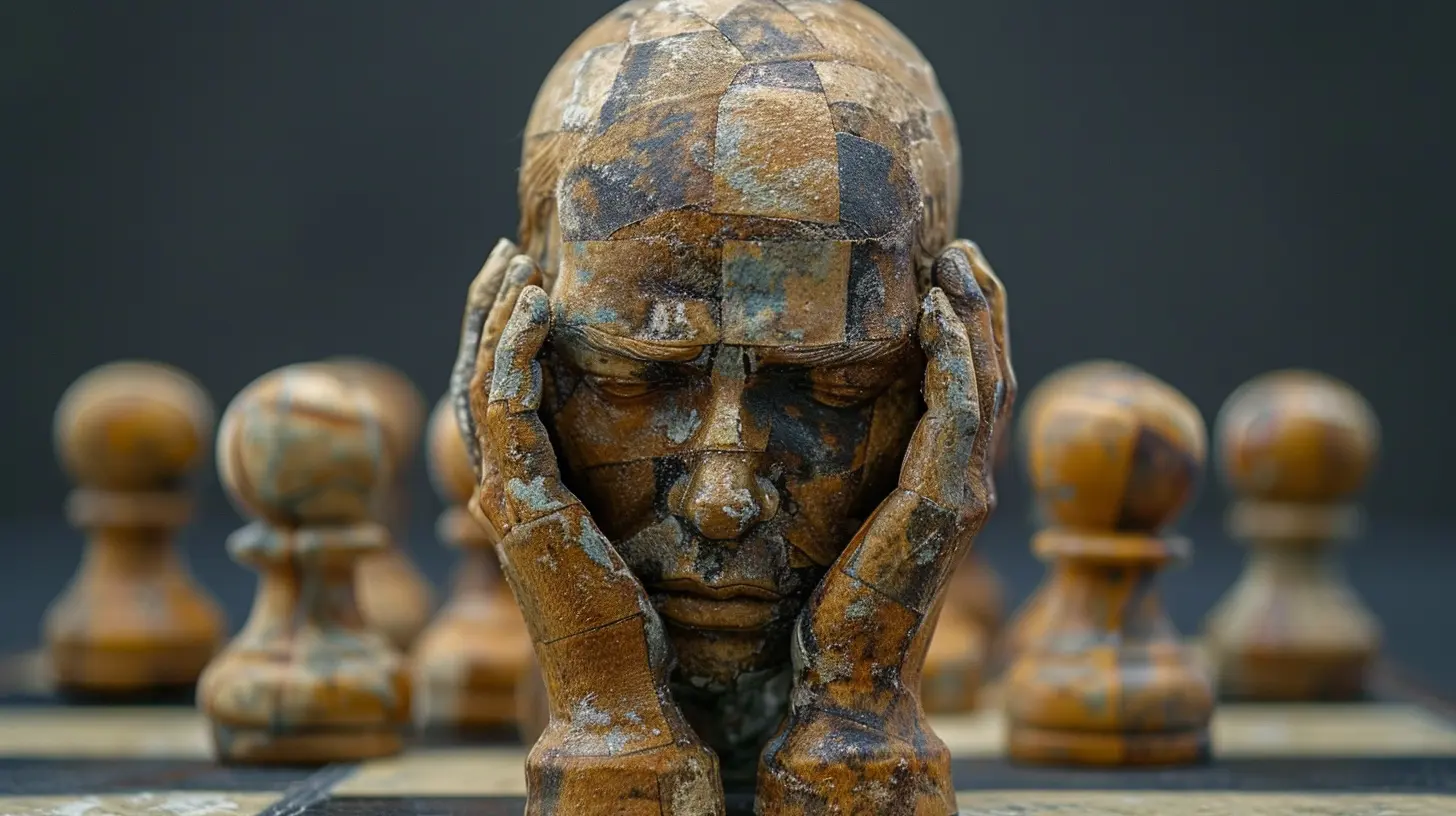
What Is Psychological Testing Anyway?
In a nutshell, psychological testing involves a set of standardized tools used by mental health professionals to assess a person’s cognitive, emotional, and behavioral functioning.Think of it like a mental health toolkit. Just like a mechanic uses different tools for different car problems, psychologists use various tests to understand what’s really going on upstairs.
These tests aren’t just one-size-fits-all. Depending on the issue in question—be it anxiety, depression, ADHD, or something else entirely—the psychologist will pick the most appropriate test or battery of tests tailored to the individual.
Types of Psychological Tests
Alright, so not all tests are created equal. Psychological testing isn't just answering a bunch of multiple-choice questions. It’s a whole universe of assessments. Here are some of the most commonly used types:1. Cognitive and Intelligence Tests
These tests measure intellectual abilities. They can help identify learning disabilities, intellectual disabilities, or giftedness. A well-known example? The Wechsler Adult Intelligence Scale (WAIS).2. Neuropsychological Tests
Designed to assess brain functioning, these tests zero in on memory, motor skills, attention, and problem-solving. After a brain injury or stroke, this type of testing can help determine which areas of the brain were affected.3. Personality Tests
These aim to paint a picture of a person’s typical behavior, thoughts, and emotions. Examples include the Minnesota Multiphasic Personality Inventory (MMPI-2) or the Big Five Personality Test. They’re great for spotting patterns associated with personality disorders.4. Achievement and Aptitude Tests
These are commonly used in educational settings to measure a person’s level of knowledge or potential in certain subjects or skill areas. They often help diagnose learning disabilities like dyslexia.5. Behavioral Assessments
Usually involving questionnaires or direct observations, these tests help understand behaviors in structured and unstructured settings. They’re often used with children or individuals with developmental disorders.
The Psychology Behind the Testing
So why do these tests work? It’s not magic—it’s science.Psychological tests are backed by decades of research. They’re crafted using statistical models and validated across various populations to ensure accuracy. They help capture objective data about mental processes that are often invisible.
When someone visits a psychologist complaining of symptoms like forgetfulness, mood swings, or lack of focus, the symptoms alone don’t tell the whole story. Psychological testing provides that missing backstory, giving professionals the concrete data needed to make sense of confusing symptoms.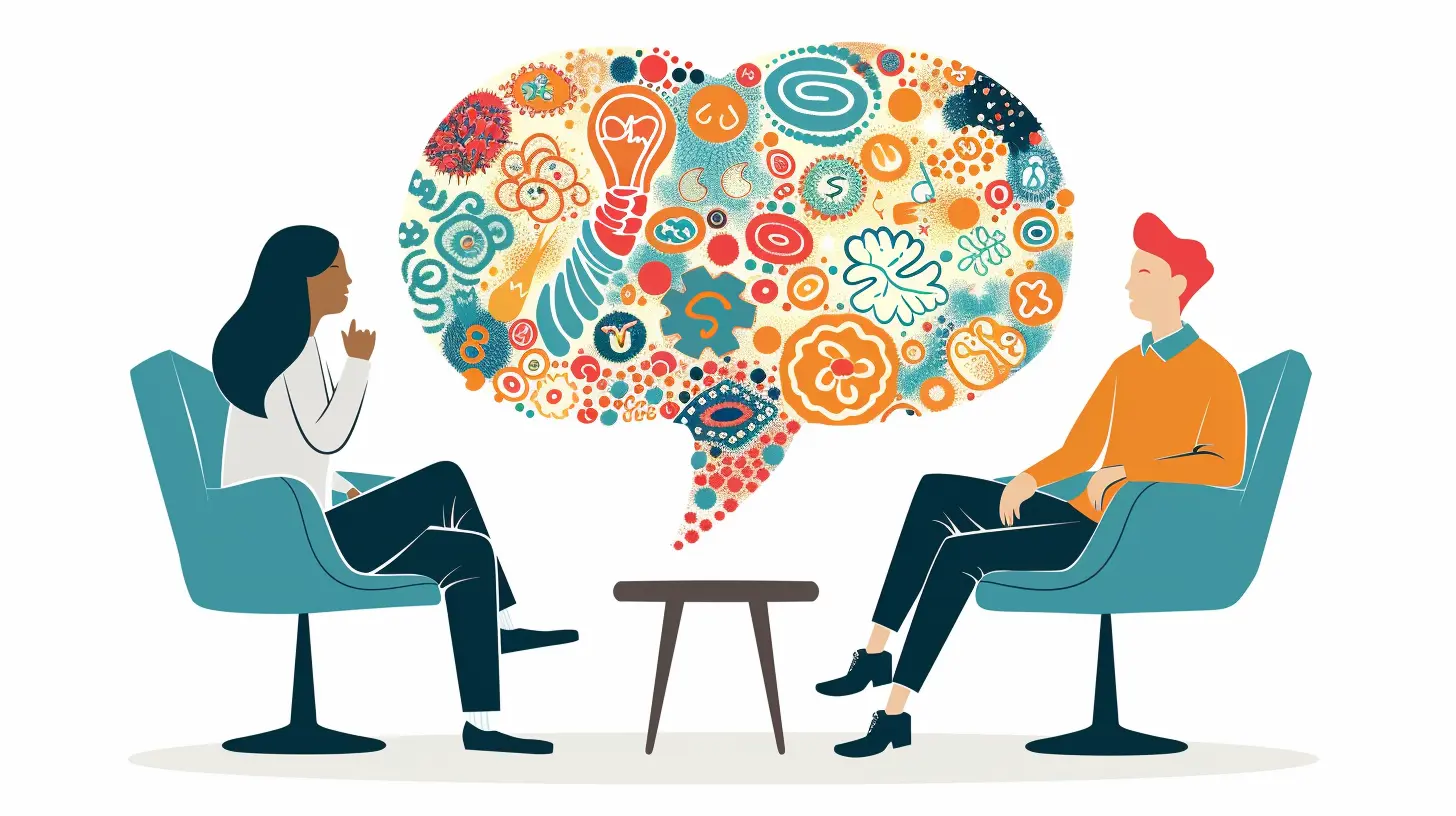
How Psychological Testing Aids in Diagnosis
Here’s where it gets even more interesting. Mental health disorders often overlap. For example, depression and anxiety both might lead to trouble sleeping, irritability, or fatigue. ADHD and bipolar disorder might share signs of impulsivity and restlessness.So, how do professionals know what’s really going on? Yup—you guessed it: psychological testing.
Let’s break it down even further.
1. Clarifying the Diagnosis
Symptoms can be misleading. Psychological testing helps distinguish between similar conditions. For example, is it truly ADHD or just anxiety manifesting as distractibility?2. Uncovering Hidden Issues
Sometimes people come in with one concern but testing uncovers something deeper. Maybe a teen struggling in school is actually dealing with undiagnosed dyslexia, not laziness or defiance.3. Validating Subjective Experiences
Ever tried to explain feeling “off” but can’t quite put it into words? These assessments translate vague feelings into measurable data, validating what someone is going through.4. Improving Treatment Plans
Once a clear diagnosis is in place, treatment gets fine-tuned. Whether it’s therapy, medication, or lifestyle changes, psychological testing helps determine what will be most effective.What to Expect During Psychological Testing
If you’re picturing a white room with inkblot cards and stern-faced psychologists, let’s ease that anxiety. Psychological testing isn’t nearly as intimidating as it sounds.Step-by-Step Process:
1. Initial Interview – This is where the psychologist chats with you to understand your concerns, history, and what you’d like help with.2. Test Selection – Based on the interview, the appropriate tests are chosen.
3. Taking The Tests – You'll be asked a variety of questions or may need to perform certain tasks. These could be on paper, computer-based, or interactive depending on the test.
4. Scoring and Interpretation – Once completed, the psychologist scores the test and interprets the data.
5. Feedback Session – You'll receive a detailed report and a session to go over the results together.
The whole process can take a few hours to multiple sessions depending on the complexity of the situation.
Common Misconceptions About Psychological Testing
Before we go on, let’s bust a few myths.❌ “It means there’s something wrong with me.”
Nope. Psychological testing isn’t about labeling you as “broken.” It’s about understanding yourself better.❌ “It’s just about IQ.”
Not at all. While intelligence can be part of it, testing often focuses on emotional well-being, learning styles, memory, and behavior.❌ “It can read my mind.”
As cool as that sounds, psychological testing doesn’t read thoughts—it just organizes observable behaviors and responses into understandable patterns.Real-Life Applications of Psychological Testing
Let’s get practical. Where does all this actually come into play?🧠 In Schools
Children struggling academically or socially might undergo testing to determine if learning disorders, ADHD, or emotional challenges are in play. This can lead to Individualized Education Programs (IEPs) tailored to the child’s needs.🧑⚕️ In Clinical Settings
When adults seek help for mood disorders, anxiety, PTSD, or substance use, psychological testing helps clinicians identify the root causes and comorbid conditions.⚖️ In Legal Cases
Psychological testing often finds its way into legal proceedings—fitness for custody, competency to stand trial, or personal injury claims often require formal psychological evaluations.🏢 In Workplace Environments
For organizational psychologists, testing can help with hiring decisions, team-building, and improving workplace dynamics.The Limitations of Psychological Testing
Okay, let’s keep it real—psychological testing isn’t flawless.- It’s only as good as the test and the psychologist – Inaccurate administration or poor interpretation can lead to misleading results.
- Tests can’t capture everything – Human behavior is complex. No test can fully capture a person’s entire experience or identity.
- Cultural bias can sneak in – Some tests might not be as applicable across different backgrounds, which is why cultural competence matters.
- It’s not a one-time, forever diagnosis – Mental health can change over time. Testing is a snapshot, not a lifelong label.
The Future of Psychological Testing
The field is evolving fast. Thanks to technology, things like AI-driven assessments, virtual reality simulations, and real-time data collection via wearables are beginning to reshape how psychological testing is done.The goal? Make it more accurate, accessible, and individualized than ever before.
When Should You Consider Psychological Testing?
Still wondering if testing is right for you or a loved one? Here are a few signs:- You’re experiencing confusing or distressing symptoms that don’t add up
- Therapists or doctors have trouble pinpointing the diagnosis
- You’re considering medication but want a clearer picture first
- Your child is struggling in school and nothing seems to help
- You want to better understand how your brain works
If you said “yes” to any of the above, chatting with a licensed psychologist about testing could be a smart move.
Final Thoughts: It’s About Clarity, Not Judgment
At the heart of it, psychological testing is all about giving you a clearer lens to see what’s going on inside. It’s not a judgment. It’s a tool. And when used by experienced professionals, it can be a powerful first step toward healing, understanding, and building a better life.Whether you’re navigating your own mental health or trying to support someone else, knowing how psychological testing works makes you better equipped to take the next step. And remember—getting help isn’t a sign of weakness. It’s a sign of strength.
all images in this post were generated using AI tools
Category:
Psychological TestingAuthor:

Ember Forbes
Discussion
rate this article
2 comments
Maisie Baker
Think of psychological testing as the GPS for your mind—navigating the twists and turns of mental health, helping you find the best route to wellness!
January 25, 2026 at 4:59 AM
Ember Forbes
That's a great analogy! Just like GPS, psychological testing provides guidance to understand your mental health journey and find effective paths to wellness.
Heather Adams
Testing brains: like a treasure hunt for mental clarity!
January 15, 2026 at 6:02 AM
Ember Forbes
Thank you! That's a creative way to describe the process—uncovering insights can indeed lead to greater understanding and clarity.