The Hidden Patterns That Shape Who We Respect and Who We Ignore
October 26, 2026 - 23:30
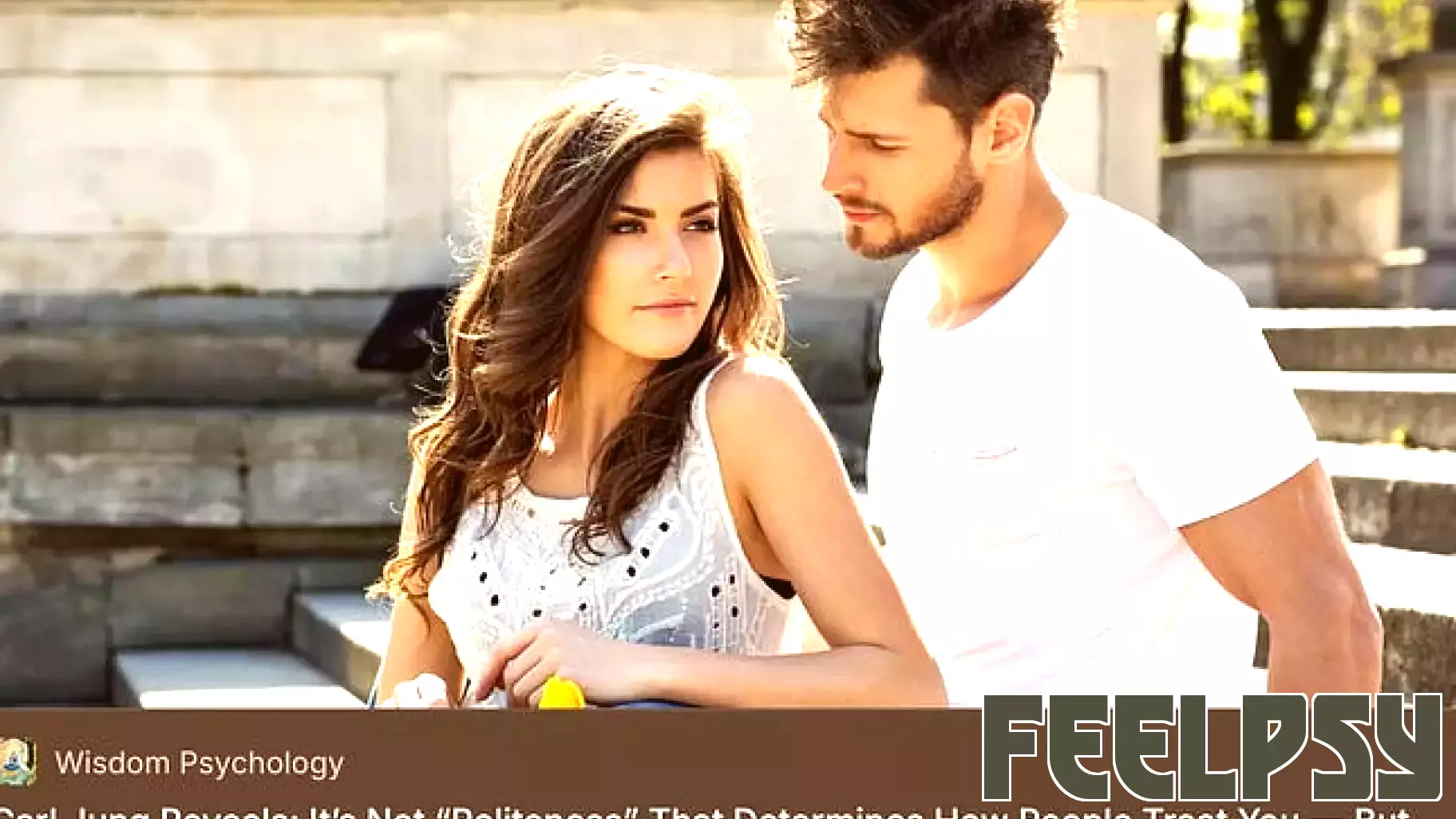
Respect rarely operates as a conscious decision. Most people believe they choose whom to admire based on merit, character, or achievement. The reality is far less deliberate. Unconscious mechanisms quietly sort people into categories of worth long before any rational thought enters the picture, and these patterns shape social reality in ways few ever notice.
Psychologists have observed that early social conditioning plays a significant role in how respect is distributed. Children absorb cues about status, authority, and belonging from their surroundings, long before they develop the language to question them. These cues harden into templates. By adulthood, the templates operate automatically, guiding whom someone trusts, whom they dismiss, and whom they never quite see at all.
What makes this mechanism particularly stubborn is repetition. People recreate the same social dynamics across different contexts, workplaces, friendships, and communities, often without recognizing the pattern. Someone who learned to defer to loud confidence may keep deferring, even when quiet competence would serve better. Someone who learned to distrust certain accents or mannerisms may keep distrusting, even when the evidence says otherwise.
The uncomfortable part is that these patterns were never chosen. They were inherited, absorbed, and reinforced through environments that rewarded conformity to them. Recognizing the mechanism does not instantly dissolve it, but it does create a gap between stimulus and response. In that gap lies the possibility of choosing respect deliberately rather than defaulting to whatever was programmed. Awareness alone will not rewrite years of conditioning, but it is the only place where rewriting can begin.
MORE NEWS

October 26, 2026 - 11:46
Voices Rise Over AI Fears, Subway Delays and the Roots of ViolenceReaders are pushing back on the growing presence of artificial intelligence in daily life, questioning both its promises and its risks. In a wave of letters, New Yorkers raised concerns about...
October 25, 2026 - 18:51
The Psychology Behind Why To-Do Lists Feel So RewardingWriting a to-do list can produce a genuine sense of accomplishment, even before any actual work begins. A psychologist explains that this feeling is rooted in how the brain responds to planning and...

October 24, 2026 - 18:41
Inside the Liar's Mind: How Deception Turns Against ItselfThe chronic liar is someone who has learned how to slip past the usual signals of deception. Most people rely on small cues to tell when someone is being untruthful, such as avoiding eye contact,...

October 24, 2026 - 07:32
Why Buyers Overpay for Used Cars: The Left-Digit EffectConsumers routinely ignore information when making purchases. They overlook the tax attached to a price, skim past ingredient lists and often fail to process exact numbers with any precision. This...