The Psychology Behind Why To-Do Lists Feel So Rewarding
October 25, 2026 - 18:51
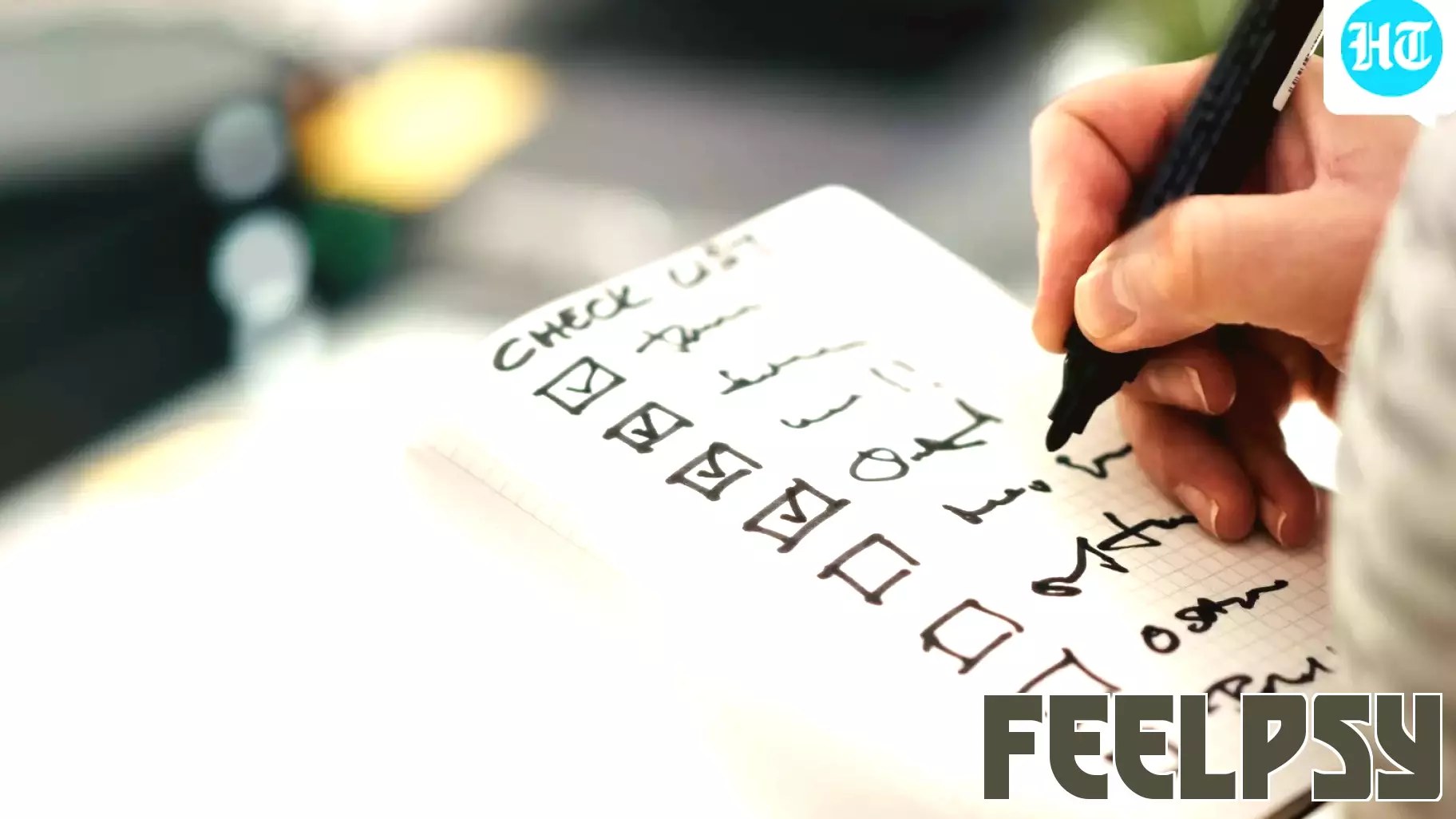
Writing a to-do list can produce a genuine sense of accomplishment, even before any actual work begins. A psychologist explains that this feeling is rooted in how the brain responds to planning and organization.
The act of listing tasks provides structure to what often feels like mental clutter. When responsibilities are scattered in the mind, they create low-level anxiety. Putting them on paper externalizes that load, making the day ahead feel manageable rather than overwhelming. The brain registers this organization as progress, releasing a small dose of dopamine that reinforces the behavior.
There is also the effect of anticipation. Seeing tasks written down creates a mental image of completion. The brain responds to this imagined future state in ways similar to actual achievement, which explains the satisfaction that comes from planning. Crossing items off later provides additional reward, creating a feedback loop that keeps people engaged with their lists.
However, the psychologist notes a caveat. List-making can become a form of procrastination when it replaces action. The key is to keep lists realistic and to treat them as tools rather than achievements in themselves. A list should guide effort, not substitute for it.
Understanding this psychological mechanism can help people use to-do lists more effectively, enjoying the clarity they provide while ensuring the planning leads to actual progress.
MORE NEWS

October 24, 2026 - 18:41
Inside the Liar's Mind: How Deception Turns Against ItselfThe chronic liar is someone who has learned how to slip past the usual signals of deception. Most people rely on small cues to tell when someone is being untruthful, such as avoiding eye contact,...

October 24, 2026 - 07:32
Why Buyers Overpay for Used Cars: The Left-Digit EffectConsumers routinely ignore information when making purchases. They overlook the tax attached to a price, skim past ingredient lists and often fail to process exact numbers with any precision. This...

October 23, 2026 - 18:16
Psychologist Points to New Signs of Neurological Trouble in TrumpA widely cited psychologist and body language expert is raising fresh concerns about President Donald Trump`s mental state after observing his behavior during Wednesday`s rallies. Dr. John Garrison...

October 23, 2026 - 15:01
Psychology says your child bending down to see the world between their legs isn't as random as it looks; here's what it could meanYou may have seen your child bend forward, tuck their head between their legs and look at the room upside down. A familiar face, the living room sofa or a parent standing nearby suddenly becomes...