Why Buyers Overpay for Used Cars: The Left-Digit Effect
October 24, 2026 - 07:32
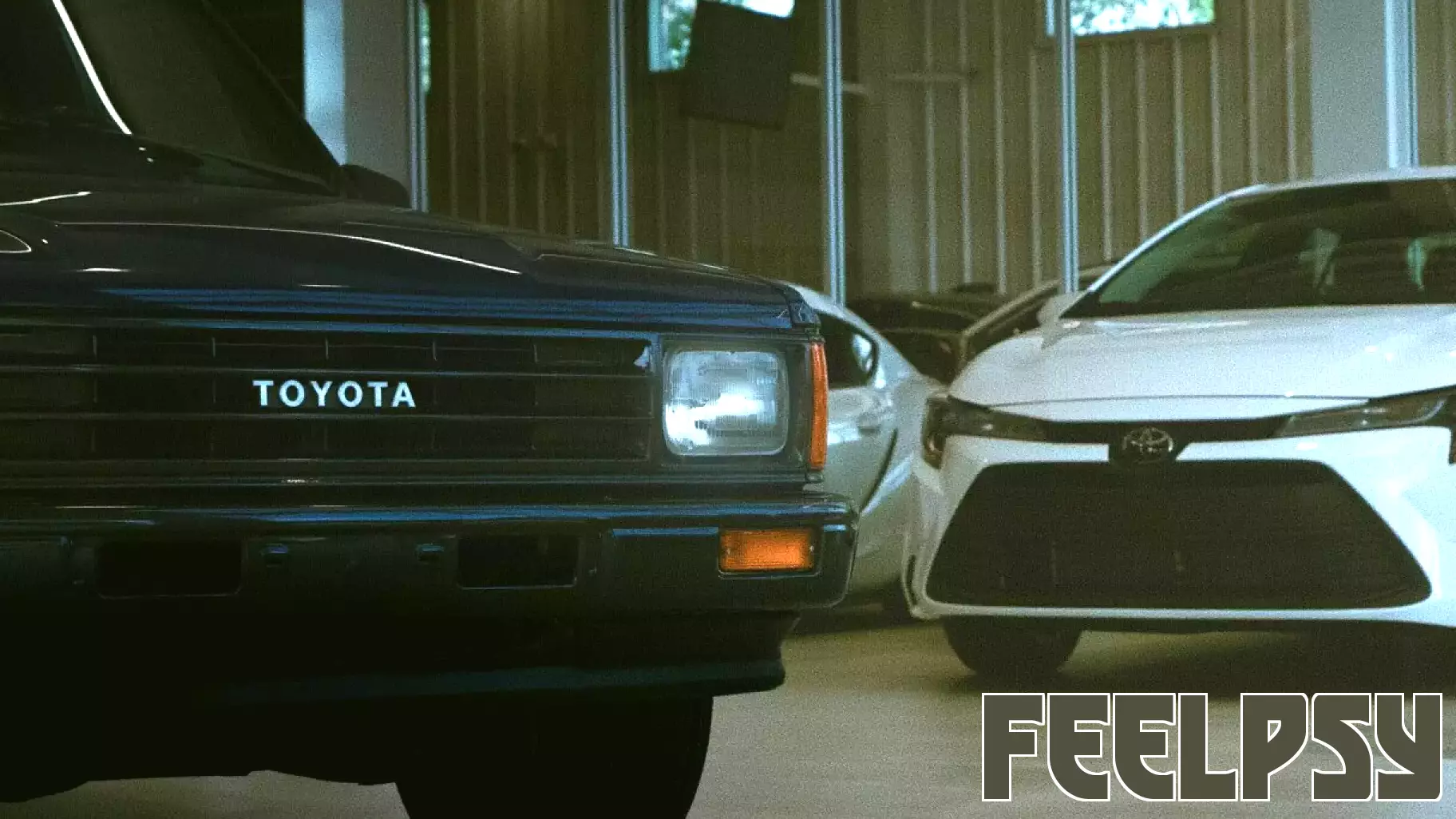
Consumers routinely ignore information when making purchases. They overlook the tax attached to a price, skim past ingredient lists and often fail to process exact numbers with any precision. This tendency has real financial consequences, particularly in the used car market, where researchers have identified a phenomenon known as left-digit bias.
The concept is straightforward. People tend to anchor their perception of a price on its leftmost digit, treating a shift from 20,000 to 19,999 as a meaningful drop rather than a one-dollar difference. In practice, this means buyers consistently overpay. A vehicle listed at 19,999 dollars feels substantially cheaper than one priced at 20,000 dollars, even though the gap is trivial. Sellers understand this instinctively and set prices just below round numbers to exploit the effect.
The research suggests the bias extends beyond casual estimation. Even experienced buyers, including dealers and wholesale purchasers, show the same pattern. Data from wholesale auctions reveals that cars priced just under a round threshold sell for more than they should relative to their actual value, and the discount disappears once the odometer crosses into the next bracket.
For ordinary shoppers, the takeaway is practical. Round numbers carry psychological weight that has little to do with what a car is worth. Recognizing the pull of that leftmost digit is a first step toward paying closer attention to the full figure, the vehicle's condition and the true market comparison rather than the emotional jolt of a price that starts with a smaller number.
MORE NEWS

October 23, 2026 - 18:16
Psychologist Points to New Signs of Neurological Trouble in TrumpA widely cited psychologist and body language expert is raising fresh concerns about President Donald Trump`s mental state after observing his behavior during Wednesday`s rallies. Dr. John Garrison...

October 23, 2026 - 15:01
Psychology says your child bending down to see the world between their legs isn't as random as it looks; here's what it could meanYou may have seen your child bend forward, tuck their head between their legs and look at the room upside down. A familiar face, the living room sofa or a parent standing nearby suddenly becomes...

October 22, 2026 - 18:47
Three Psychology-Backed Ways to Make Your Own LuckA psychologist shares three practical ways to recognize opportunities, overcome setbacks, and put yourself in a better position for success. Luck often feels like something that happens to people...

October 22, 2026 - 10:00
Sunday Football Outing Turns Into a Psychology ExperimentIt began as a Sunday outing with the guys but ended as a psychology exploration. What started as a simple plan to watch a Cardinals game together became an unexpected look into how people think,...