Psychology says your willpower beliefs determine if you choose hard tasks: 2026 study shows nonlimited min
September 12, 2026 - 10:43
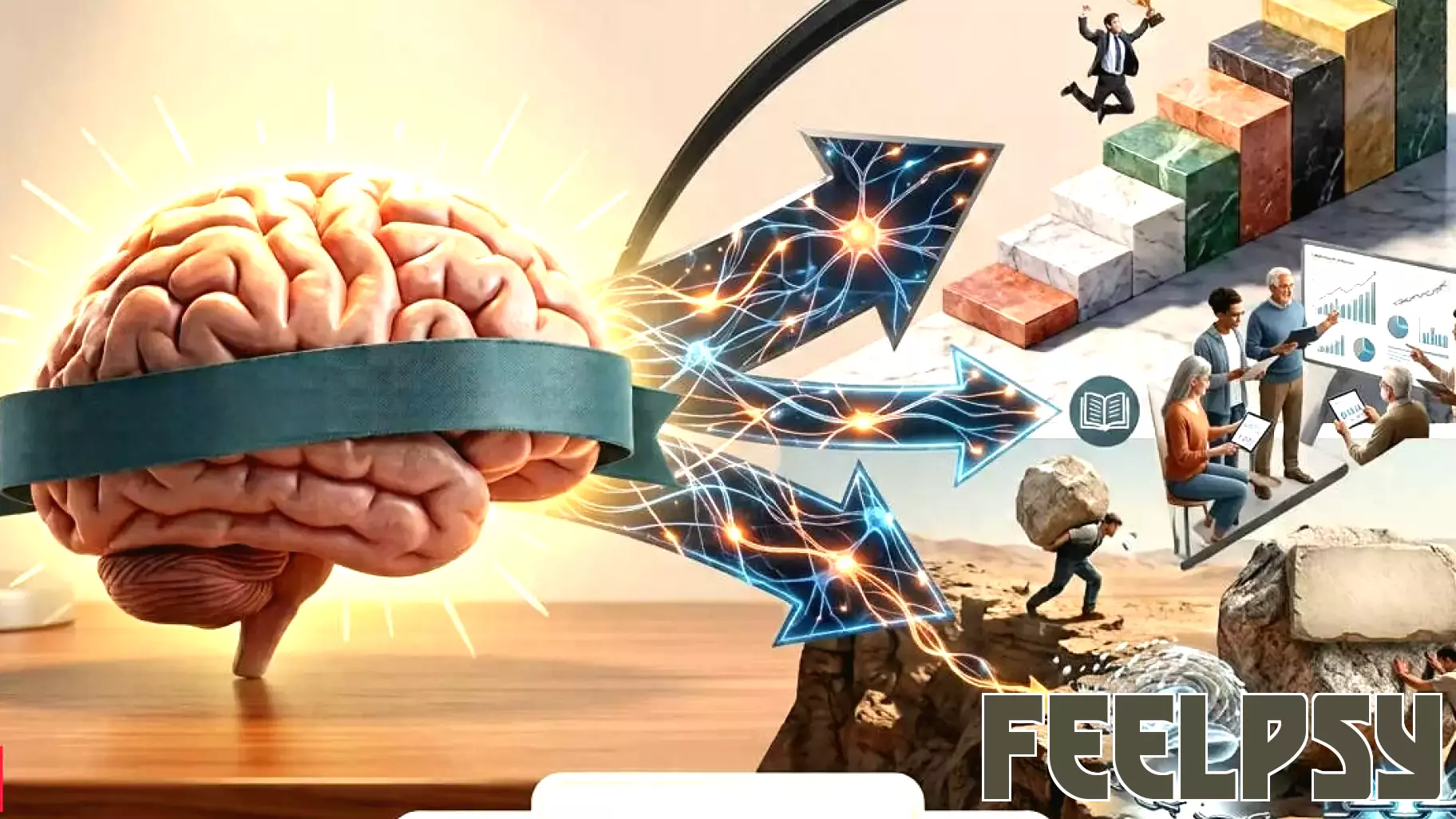
New research suggests that what you believe about willpower can directly influence the kinds of goals you set for yourself. The findings, published in 2026, point to a clear pattern: people who see willpower as a limited resource tend to avoid difficult challenges, while those who view it as something that can grow or renew are more likely to take on demanding tasks.
The study examined how participants approached a series of problems that varied in difficulty. Those who held a "limited" theory of willpower often chose the easier route, seemingly to conserve mental energy for later. In contrast, participants who believed willpower is not easily depleted selected harder options, treating the effort as manageable rather than draining.
Researchers say this distinction matters because it shapes real world behavior, from academic choices to workplace performance. If someone assumes their self control runs out quickly, they may unconsciously lower their ambitions. But when people adopt a more expansive view, they appear more willing to push through obstacles and pursue meaningful goals.
The takeaway is straightforward. Your mindset about willpower is not just a philosophical stance. It can determine whether you reach for the challenging path or settle for the simple one.
MORE NEWS

October 27, 2026 - 08:59
Singapore Introduces Peer Support Training for Youth Mental HealthSingapore has rolled out a new volunteer initiative aimed at equipping young people with psychological first aid skills and peer support techniques for use during emergencies and crises. The...

October 26, 2026 - 23:30
The Hidden Patterns That Shape Who We Respect and Who We IgnoreRespect rarely operates as a conscious decision. Most people believe they choose whom to admire based on merit, character, or achievement. The reality is far less deliberate. Unconscious mechanisms...

October 26, 2026 - 11:46
Voices Rise Over AI Fears, Subway Delays and the Roots of ViolenceReaders are pushing back on the growing presence of artificial intelligence in daily life, questioning both its promises and its risks. In a wave of letters, New Yorkers raised concerns about...

October 25, 2026 - 18:51
The Psychology Behind Why To-Do Lists Feel So RewardingWriting a to-do list can produce a genuine sense of accomplishment, even before any actual work begins. A psychologist explains that this feeling is rooted in how the brain responds to planning and...