Psychology says people who grew up around emotional chaos often don’t realize they recreate chaos in their lives in subtle ways
April 13, 2026 - 10:12
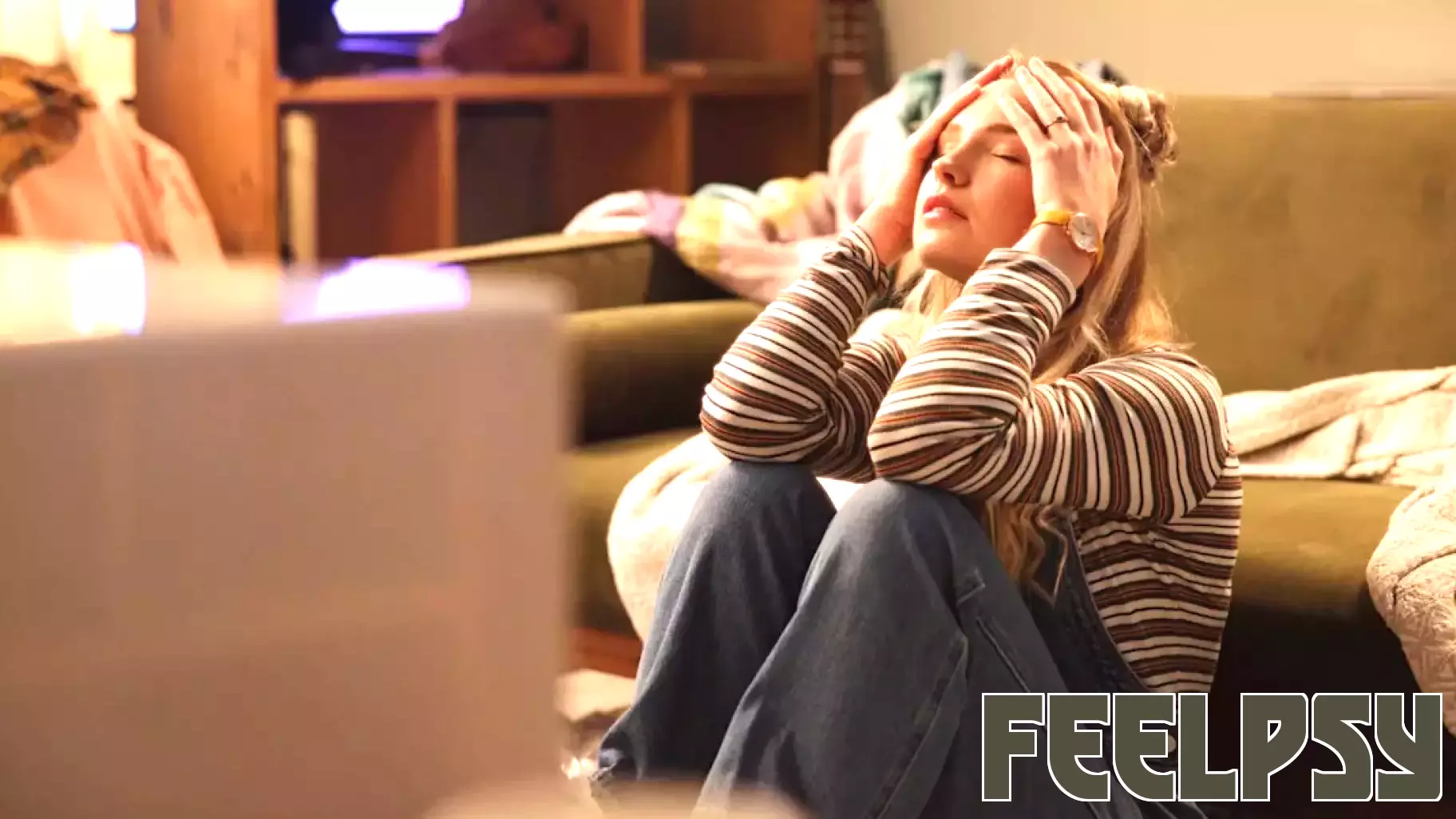
Psychology reveals a profound and often hidden truth: individuals raised in environments of emotional turmoil frequently unknowingly recreate similar patterns of chaos in their adulthood. The overt dysfunction of the past may fade, but its blueprint persists, manifesting in subtle, ingrained behaviors.
The core mechanism is familiarity. The nervous system, conditioned from a young age, mistakes chaos for normalcy. This can lead to a subconscious attraction to volatile relationships, high-stress careers, or perpetual interpersonal conflict. The drama feels like "home," creating a distorted sense of comfort. Furthermore, a deep-seated belief that love must be earned through strife or that calm is merely the precursor to a storm can sabotage stable, healthy connections.
Common signs include a persistent sense of boredom or unease during periods of peace, assuming hidden motives in others' kindness, or engaging in preemptive conflict to control the inevitable blow-up. There may also be an extreme tolerance for inconsistent or disrespectful behavior from partners, friends, or employers, as it mirrors early relational templates.
Recognizing these subtle patterns is the first, crucial step toward change. It involves consciously rewiring the brain's association between chaos and safety, learning to sit with the discomfort of calm, and gradually building a new normal where security, respect, and predictable kindness are not just accepted but sought after. The work is challenging, but it breaks a generational cycle, allowing for a life defined by choice, not by unconscious repetition.
MORE NEWS

October 10, 2026 - 17:19
Why Admiring Your Partner May Be the Key to a Happy RelationshipA psychologist suggests that admiration for a partner could be the single most important quality in a lasting, happy relationship. The idea is simple: couples who thrive tend to see each other in a...
October 10, 2026 - 03:36
How Countdown Timers Rewire Fan Decision MakingTaylor Swift can put a countdown clock on her website and millions of fans immediately start doing the same mental calculation. How much time is left? Do I already own this album? Is this version...
October 9, 2026 - 06:12
Psychology says children who keep saying “look at this” may be seeking shared attention, not just praise from their parents`Look at this.` It might be a drawing, a jump, a half-built tower or a pebble. Many adults respond with `good job` and move on, assuming the child wants applause. Psychologists suggest something...
October 8, 2026 - 19:59
Lower Gray Matter in Empathy Region Tied to Support for Group HierarchyNew research suggests that a person`s preference for social hierarchy may be reflected in both brain structure and motivation. Scientists found that individuals who score higher on social dominance...