Planetary Health and Neuroarts
May 23, 2026 - 03:48
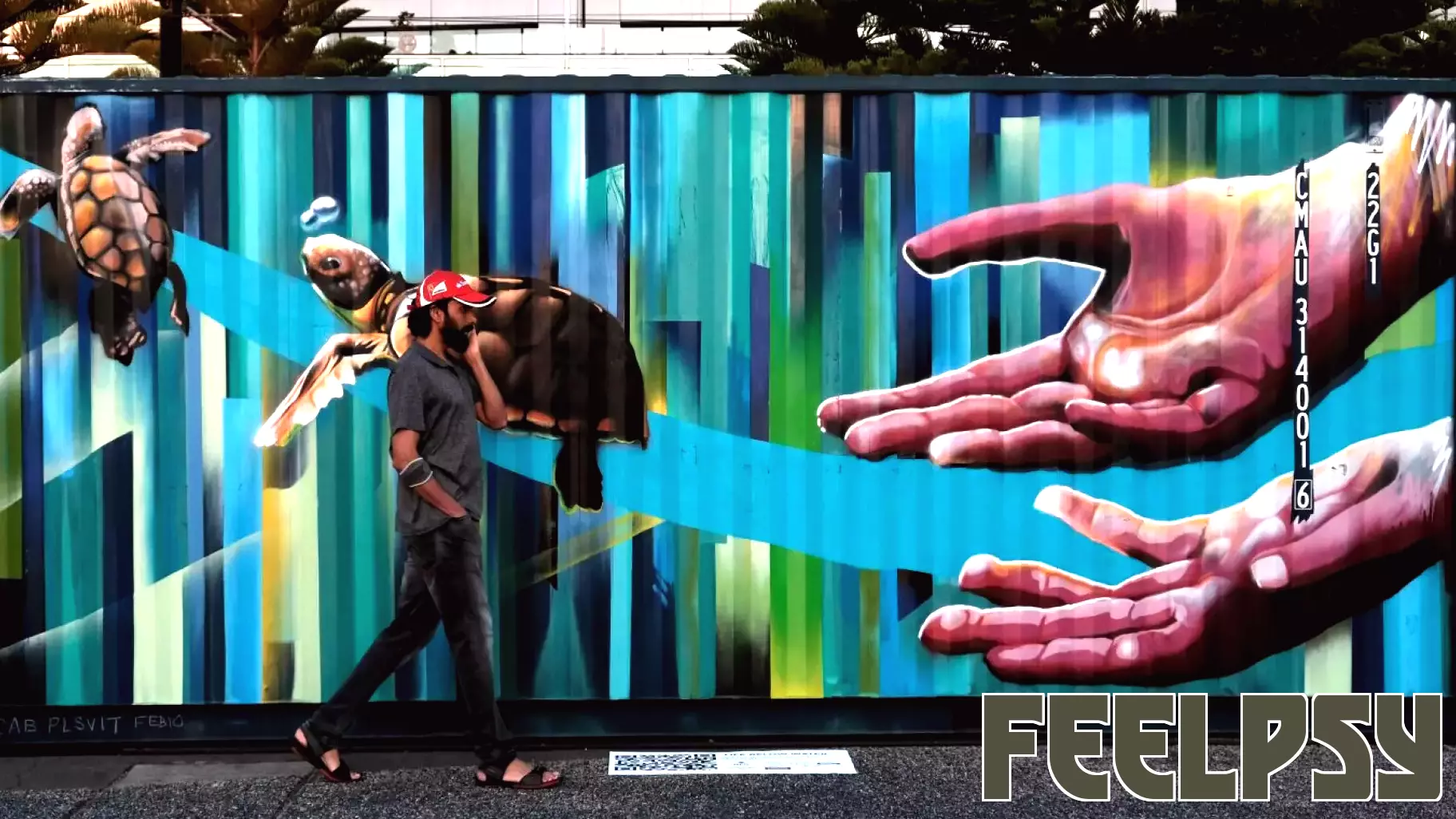
A growing body of research is drawing a clear line between the state of our natural world and the health of our minds and bodies. Now, a fresh movement called "neuroarts" is stepping in to argue that creative expression might be a key tool in protecting both.
The core idea is simple but powerful. Human health does not exist in a vacuum. It depends on clean air, stable climates, and biodiverse ecosystems. When the planet suffers, so do we, through increased rates of respiratory illness, mental distress, and infectious disease. This is the concept of "planetary health," which sees human wellbeing as inseparable from the health of the natural systems we live in.
The neuroarts field adds a new layer. It studies how the arts and aesthetic experiences physically change the brain and body. Looking at a painting, listening to live music, or dancing in a park can lower cortisol, boost immune function, and reduce feelings of loneliness. These are the same biological systems that are damaged by environmental degradation.
The argument is that we cannot solve the climate crisis or the mental health crisis separately. To motivate people to protect the planet, we need to help them feel connected to it. Art can do that. A community mural about local wildlife, a dance performance in a forest, or a song about a melting glacier can bypass political arguments and speak directly to our emotions. It can turn abstract data about rising temperatures into a personal, felt experience.
This is not about art as decoration. It is about art as a public health intervention and a driver of environmental action. By engaging the senses, the arts can rebuild our broken bond with nature, reduce the stress that makes us sick, and inspire the collective action needed to keep the planet healthy. The future of medicine, it seems, might be painted, sung, and danced into existence.
MORE NEWS
October 5, 2026 - 09:48
Study Links Unequal Parenting to Internet Addiction in Chinese TeensA new study has found that adolescents who believe their parents treat them differently from their siblings may face a higher risk of internet addiction. The research, conducted among Chinese...
October 4, 2026 - 19:25
What Yoga Can Teach Us About Listening to OurselvesMany people step onto a yoga mat expecting a workout. They find something else instead. Between the postures and the breath, a quieter experience often appears. Practitioners describe it as a...

October 4, 2026 - 06:15
Psychology says people who let these 6 things go unanswered tend to be calmer than the people who respond to everythingStaying calm in a noisy world often looks like doing nothing. Psychology suggests it is actually a skill. People who remain steady under pressure tend to share one habit: they choose not to answer...
October 3, 2026 - 17:54
How a New Film Shows the Legal System Failing Trauma SurvivorsA new film starring Cynthia Erivo offers a sharp look at the way sexual assault cases move through the courts, and at the painful gap between what trauma actually does to a person and what the law...