When Good Changes Bring Hidden Struggles: Marriage and Parenthood Tied to Suicide Risk
May 24, 2026 - 04:49
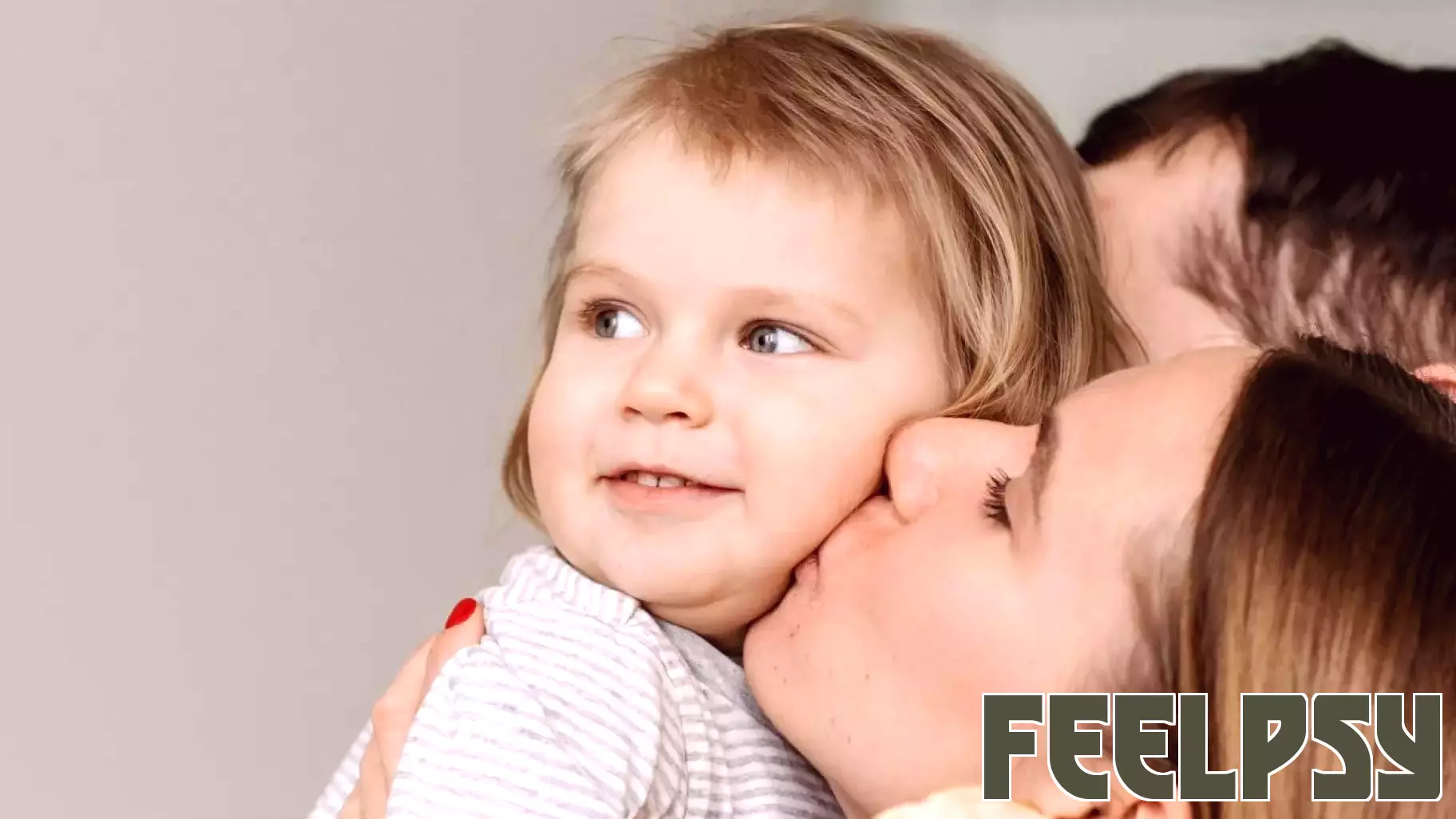
New research is challenging the long-held assumption that positive life events are always good for mental health. Recent studies indicate that even widely celebrated transitions like getting married or becoming a parent may carry a hidden risk: an increased likelihood of suicide for some individuals.
The findings suggest that major life shifts, regardless of how they are perceived by society, can trigger profound psychological stress. Marriage, often framed as a milestone of happiness, can bring financial pressure, loss of personal freedom, or unresolved relationship conflicts. Similarly, parenthood, while deeply meaningful for many, can lead to sleep deprivation, identity loss, postpartum depression, and overwhelming responsibility.
Researchers point out that the cultural narrative around these events often discourages people from admitting struggle. Newlyweds or new parents may feel ashamed to express doubt or sadness, fearing they are ungrateful or failing at a "perfect" life. This silence can deepen isolation and prevent them from seeking help.
The study highlights that suicide risk is not limited to negative experiences like job loss or divorce. The stress of adaptation, even to a desired change, can be significant. Experts urge that mental health support should be normalized during all major transitions, not just the obviously difficult ones. Recognizing that a happy event can coexist with pain is the first step toward protecting those who are silently suffering.
MORE NEWS

October 6, 2026 - 13:45
Psychology says people who reread every work email before sending it may fear more than mistakes: Why the need to check, edit, and reread a simple message can be linked to anxiety, perfectionism, or fear of being judgedWe all know someone who finishes writing a short, harmless email and then reads it again. And again. They swap one word, change it back, and hover over the send button while imagining every...
October 5, 2026 - 22:02
Why Children Build Secret Hiding Places at HomeA blanket over two chairs. A space behind the sofa. A gap at the back of a wardrobe. Most parents have watched a child disappear into one of these improvised dens, sometimes for hours at a time....

October 5, 2026 - 09:48
Study Links Unequal Parenting to Internet Addiction in Chinese TeensA new study has found that adolescents who believe their parents treat them differently from their siblings may face a higher risk of internet addiction. The research, conducted among Chinese...

October 4, 2026 - 19:25
What Yoga Can Teach Us About Listening to OurselvesMany people step onto a yoga mat expecting a workout. They find something else instead. Between the postures and the breath, a quieter experience often appears. Practitioners describe it as a...