Psychology says people who feel relieved when houseguests leave may be protecting their mental space
September 10, 2026 - 23:24

Feeling a sense of relief when houseguests finally head home does not automatically mean something is wrong. According to psychology, this reaction often reflects a normal need for privacy and personal space after extended social interaction. Hosting takes energy. It involves constant conversation, attention to others' needs, and a temporary loss of daily routines. Once the door closes, the quiet can feel like a weight lifting.
For many people, that relief is simply the nervous system settling back into a calmer state. It does not indicate a lack of affection for friends or family. Instead, it may show that someone understands their own limits and respects their need to recharge. Some people thrive on frequent social contact, while others need more solitude to feel balanced. Neither pattern is inherently unhealthy.
The response may be worth exploring further if social contact consistently causes intense distress, if someone regularly withdraws from relationships, or if they feel unable to have people in their home despite genuinely wanting connection and companionship. In those cases, the relief might point to something deeper, such as anxiety or unresolved stress. But for most people, enjoying the visit and then enjoying the silence afterward are two sides of the same coin. Protecting mental space is not a flaw. It is a form of self care that helps relationships stay sustainable over time.
MORE NEWS
October 25, 2026 - 18:51
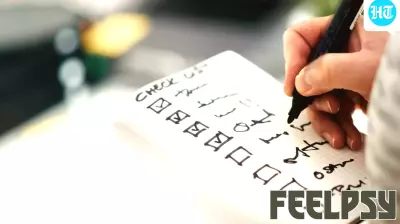
The Psychology Behind Why To-Do Lists Feel So RewardingWriting a to-do list can produce a genuine sense of accomplishment, even before any actual work begins. A psychologist explains that this feeling is rooted in how the brain responds to planning and...

October 24, 2026 - 18:41
Inside the Liar's Mind: How Deception Turns Against ItselfThe chronic liar is someone who has learned how to slip past the usual signals of deception. Most people rely on small cues to tell when someone is being untruthful, such as avoiding eye contact,...

October 24, 2026 - 07:32
Why Buyers Overpay for Used Cars: The Left-Digit EffectConsumers routinely ignore information when making purchases. They overlook the tax attached to a price, skim past ingredient lists and often fail to process exact numbers with any precision. This...

October 23, 2026 - 18:16
Psychologist Points to New Signs of Neurological Trouble in TrumpA widely cited psychologist and body language expert is raising fresh concerns about President Donald Trump`s mental state after observing his behavior during Wednesday`s rallies. Dr. John Garrison...