What Most Founders Get Wrong When Choosing a Cofounder
May 22, 2026 - 00:11
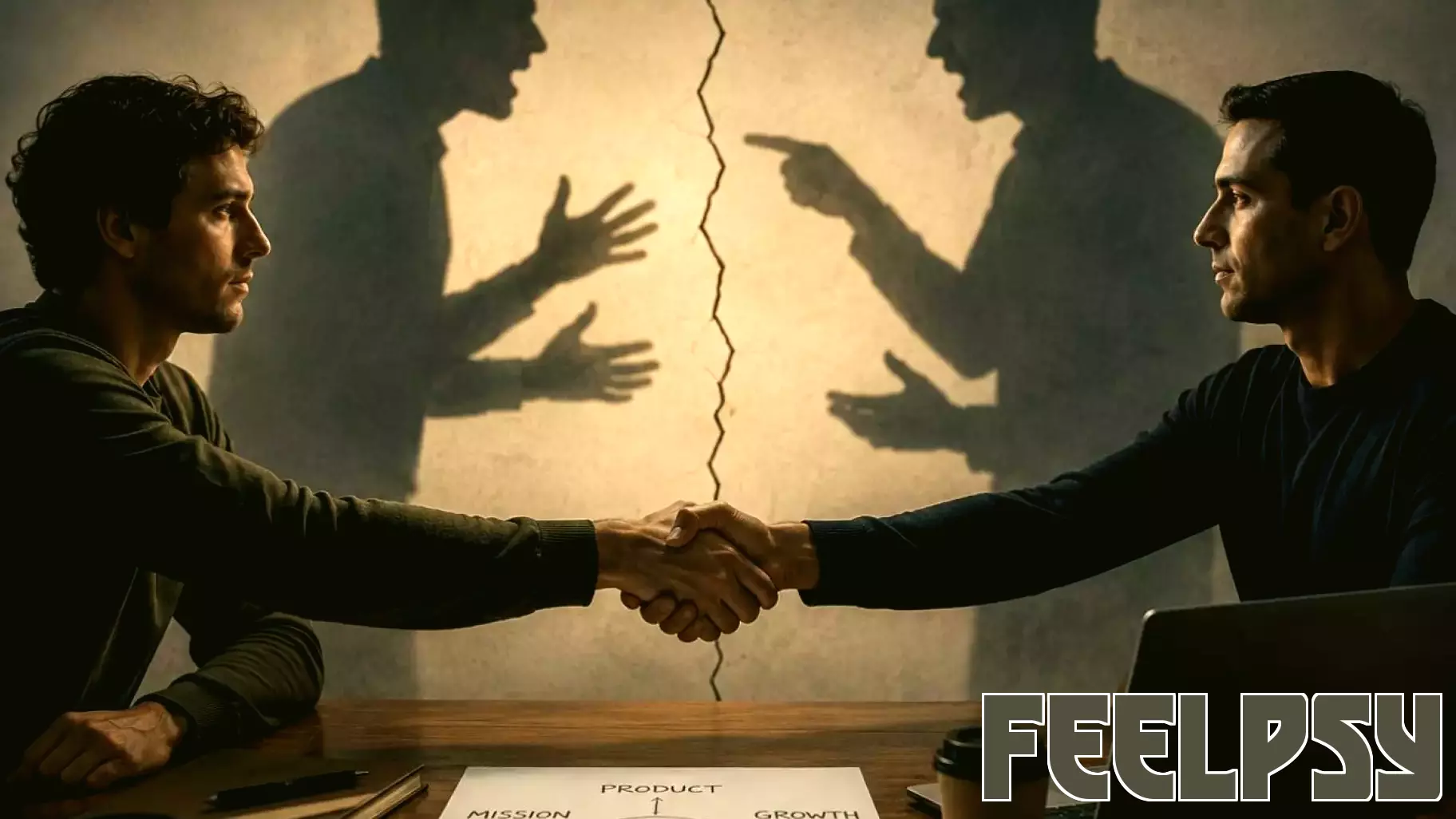
The numbers are brutal. According to recent startup post-mortem data, cofounder conflict is the single biggest driver of failure, accounting for 65 percent of all startup collapses. That is a higher kill rate than running out of money, building the wrong product, or getting out-marketed. And yet, when most founders look for a partner, they obsess over the wrong things.
The common wisdom says you need a technical cofounder if you are a business person, or a sales-oriented cofounder if you are an engineer. You look for complementary skill sets, a shared network, and maybe a similar work ethic. Those matter, but they are not the real problem. The real problem lives in the psychological patterns that nobody thinks to examine until it is too late.
Founders often pick someone who mirrors their own unspoken anxieties. A founder who fears being seen as incompetent might choose a cofounder who is overly agreeable, mistaking that for harmony. A founder who craves control might pick a passive partner, then resent them for not taking initiative. These dynamics look fine on paper. They feel comfortable in the first few months. But they rot from the inside when pressure hits.
The most destructive pattern is the avoidance of hard conversations. Many cofounders never discuss equity splits, decision-making authority, or exit scenarios until a crisis forces the issue. By then, the conflict is personal. The startup dies not because the product was bad, but because two people could not look at each other and say what they actually needed.
The fix is uncomfortable but simple. Before you sign anything, spend a weekend working through a worst-case scenario together. Argue about something real. See how the other person handles disagreement, ambiguity, and disappointment. If they shut down, get defensive, or try to win at your expense, walk away. A cofounder who cannot fight clean will eventually fight dirty. And that is the failure that kills 65 percent of startups before they ever get a chance to grow.
MORE NEWS

October 3, 2026 - 17:54
How a New Film Shows the Legal System Failing Trauma SurvivorsA new film starring Cynthia Erivo offers a sharp look at the way sexual assault cases move through the courts, and at the painful gap between what trauma actually does to a person and what the law...

October 3, 2026 - 11:35
Using Theater and Psychology to Help Homeless YouthAt Larkin Street Youth Services, a Northeastern psychology and theater student used theater workshops to support homeless youth. The student combined two fields that often sit apart. Psychology...

October 2, 2026 - 22:21
The AI Chatbots That Tech Companies Are Aggressively Pushing to Billions of Users Appear to Be Causing Serious Psychological Harms, New Research FindsThe aggressive push by technology companies to bring AI chatbots to billions of users may be causing serious psychological damage, according to a new paper. The research argues that extensive use...

October 2, 2026 - 00:49
Understanding the Psychology of Trading DecisionsA recent report sheds light on how psychological factors influence trading decisions. It suggests that investor success is not solely determined by market information but heavily relies on...