The Role of Nature and the Outdoors in Trauma Recovery
16 January 2026
When you're healing from trauma, it can feel like you’re stuck in a cycle of fear, anxiety, or numbness. Traditional therapy absolutely has its place — and it works — but there's another powerful, often overlooked ally in recovery: nature. Yep, something as simple as stepping outside and breathing fresh air could start to shift your inner world.
In this post, we're diving into the powerful connection between nature and trauma recovery. We're not just talking about taking a walk (though that helps too), but how the outdoors can soothe the nervous system, rebuild trust in your body, and gently guide you toward healing — one step, one leaf crunch, one breeze at a time.
What Is Trauma, Really?
Before we dive into how nature helps, let’s quickly clarify trauma. Trauma isn’t just about war or car crashes; it’s anything the brain perceives as deeply threatening or overwhelming. Think childhood neglect, emotional abuse, accidents, or even global pandemics. When something happens that overwhelms our ability to cope, trauma can settle in.And here’s the kicker: trauma isn’t just in your head. It lives in your body too. That’s why people experience symptoms like:
- Flashbacks
- Anxiety or panic attacks
- Sleep problems
- Feeling disconnected or numb
- Constant hypervigilance
So healing trauma? It’s not just about talking through it. It’s about regulating the mind and body — and that’s where nature comes in.
The Science: Why Does Nature Help with Trauma?
Let’s nerd out for a second. Multiple studies show that time spent in nature can regulate the nervous system — particularly the parasympathetic nervous system (the one responsible for "rest and digest"). Trauma tends to leave people stuck in "fight or flight" mode. Nature helps bring the body out of that heightened state.Here’s what science has found:
- Lower Cortisol Levels: Cortisol, the stress hormone, drops after spending time in green spaces.
- Reduced Symptoms of Anxiety & Depression: People who regularly spend time outdoors report improved mood and reduced anxiety.
- Increased Heart Rate Variability (HRV): A strong indicator of stress resilience and emotional regulation.
- Stimulation of the Vagus Nerve: Responsible for calming the body and stabilizing emotional responses.
In short? Nature literally changes your brain and body — and not just for a moment. The effects can build over time.
It’s About More Than Just “Going Outside”
Sure, a walk in the park is great. But trauma recovery isn’t one-size-fits-all, and neither is nature therapy. There are levels to this.1. Passive Exposure: Just Be There
Sometimes, just sitting on a patch of grass, listening to birds, or watching clouds helps. No pressure to move, hike, or even think deeply.People in early stages of trauma recovery often find it hard to feel safe in their own bodies. Passive exposure to nature can be a gentle reentry point to feeling something good — without needing to “do” anything.
2. Gentle Activities: Walking, Gardening, Forest Bathing
Once you’re comfortable, adding movement helps reconnect the mind and body in a healthy way. Gardening, casual hikes, or even "forest bathing" (a Japanese practice called Shinrin-yoku) can ground someone in the present moment.Why does that matter? Because trauma disconnects us. Nature invites us back to the now.
3. Adventure and Challenge: Rebuilding Trust
Later in recovery, some trauma survivors find healing in challenge. Backpacking, rock climbing, kayaking—these activities push limits in a healthy way. They rebuild trust in one's body, instincts, and judgments—often shattered by trauma.Think of it as reclaiming your power.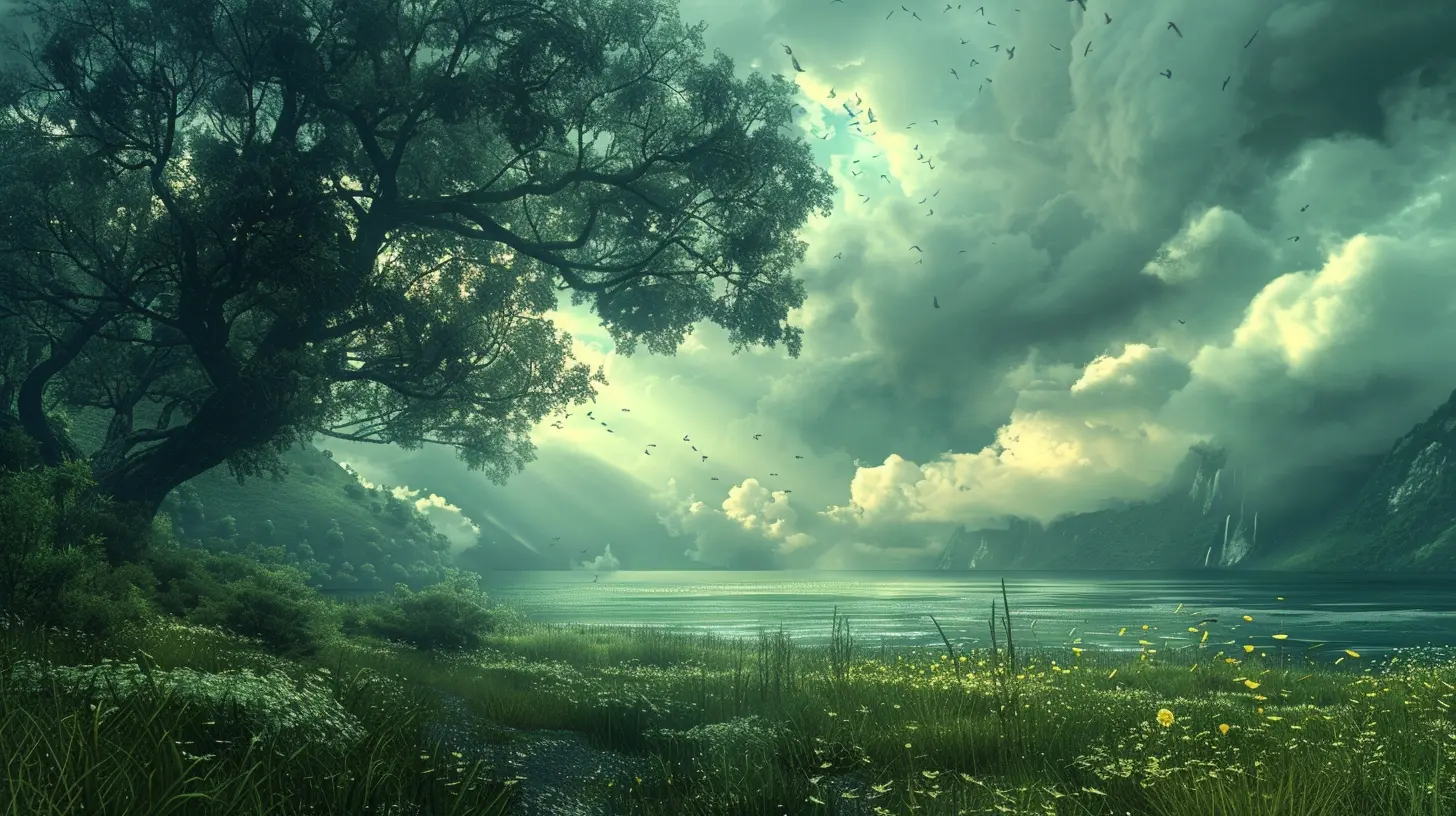
Nature as a Therapist
One way to think about it? Nature doesn’t judge. It’s always there.When you’re dealing with trauma, relationships can feel heavy or loaded. But a river doesn’t expect anything of you. A forest doesn’t hurry your healing. The sky doesn’t interrupt or try to fix you.
In fact, nature often gives what trauma takes away:
- A sense of control (like choosing your trail or pace)
- Nonverbal comfort
- Quiet companionship
- Beauty and awe, which can spark hope
Reconnecting with Your Senses
Trauma numbs us. You forget to feel pleasure, touch, or even notice your surroundings. Nature gently reawakens those senses.Picture this:
- The rough bark of a tree under your hand.
- The scent of rain-soaked soil.
- The rustle of wind through leaves.
- The golden light of late afternoon on your face.
These little sensations are like breadcrumbs that lead you back to yourself.
The Role of Routine and Rhythm
Nature has a rhythm. Seasons change, tides move, birds migrate at the same time every year. Trauma, on the other hand, often brings chaos and unpredictability.By spending more time outdoors, you start syncing with nature’s pace. That sense of rhythm can be calming for trauma survivors. It reminds you there’s a bigger picture — and a reliable flow to life, even when your world has felt upside down.
Real Stories: How Nature Changed the Recovery Journey
Let’s humanize this. Here are a few examples of how people use the outdoors in their recovery:- Emily, a trauma survivor from domestic violence, started walking in her neighborhood park every morning. Over time, she noticed her anxiety subsiding and her confidence returning. “The trees were always there. That steadiness helped me feel steadier too.”
- Carlos, a veteran with PTSD, discovered rock climbing. “Every climb required my full attention. For the first time in years, I wasn’t stuck in the past,” he said.
- Jenna, who struggled with childhood trauma, began gardening. “Watching things grow — especially when I felt like I wasn’t — taught me to be patient with myself.”
These aren’t just feel-good stories. They’re proof that healing doesn’t always come from a couch or a prescription bottle. Sometimes, it comes from dirt under your nails or the sound of a stream.
Making It Work for You: Practical Tips to Get Started
You don’t need to camp in the wilderness for a month to tap into nature's healing power. It starts with small steps.Tip 1: Start Where You Are
Look out the window. Is there a park nearby? A tree-lined street? Even a sunny porch counts. Don’t overthink it.Tip 2: Use Your Senses
When you’re outside, engage your senses one by one. What can you see? Hear? Feel? This pulls you into the present.Tip 3: Make It a Routine
Set a daily or weekly nature "appointment." You’re more likely to see benefits if it's consistent.Tip 4: Keep a Nature Journal
Write down how you feel before and after your time outdoors. Over time, you’ll likely see patterns and progress.Tip 5: Combine It with Mindfulness
Try breathing exercises or grounding techniques while outside. Nature amplifies their impact.What If You Can't Access Green Space?
Great question. Not everyone lives near a forest or has the mobility to walk trails. Here are some alternatives:- Use nature sounds — like ocean waves or birdsong — during meditation.
- Bring plants into your home or workspace.
- Watch nature documentaries or calming outdoor videos.
- Look after a houseplant and track its growth.
Even a small connection to nature can support healing. It’s about intention, not perfection.
A Balanced View — Nature Helps, But Isn’t a Cure-All
Okay, let’s be real for a second. Nature is amazing, but it’s not magic. It doesn’t replace therapy, medication, or professional help — especially for complex trauma or PTSD.Think of nature as one tool in your toolbox. Pairing outdoor time with therapy, community, and self-compassion? That’s a powerful combo.
And remember, trauma recovery isn't linear. You’ll have days when even getting out of bed is hard. That’s okay. Healing takes time — and a lot of grace.
Final Thoughts: Healing Happens in Layers
Trauma recovery is messy, beautiful, exhausting, and empowering. And sometimes, amid that chaos, you find a moment of peace in a patch of sunlight or the rhythm of your feet on a hiking trail.If you’re going through it right now, know this: you don’t have to do it alone, and healing doesn't have to happen indoors under fluorescent lights.
Nature is there. Always has been. Always will be.
Maybe it’s time to go outside and meet it halfway.
all images in this post were generated using AI tools
Category:
Psychological TraumaAuthor:

Ember Forbes
Discussion
rate this article
2 comments
Kirk Torres
Who knew that hugging trees could be therapeutic? Just remember, if the tree hugs back, it might be time to seek a different therapist!
January 30, 2026 at 4:23 PM
Ember Forbes
Haha, that's a great point! Nature truly offers unique healing experiences, but it’s important to know when to seek help elsewhere!
Susan Marks
Nature: the original therapist. It’s hard to stress over life’s chaos when a squirrel is judging your snack choices. Just remember to breathe—and maybe share!
January 20, 2026 at 4:44 AM
Ember Forbes
Absolutely! Nature brings a refreshing perspective and often helps us find joy in simple moments. Those little encounters, like a squirrel's gaze, can remind us to pause and appreciate life's small wonders.