The Role of Cognitive Behavioral Therapy in Managing Burnout
3 September 2026
Let’s face it—burnout is brutal. It sneaks up on you like a thief in the night, robbing you of your energy, motivation, and even your joy. One day you're fine, juggling work, deadlines, and life like a pro. The next? You’re drained, snapping at emails, staring blankly at screens, and wondering why everything feels so heavy. Sound familiar?
That’s burnout talking. And if you’re feeling overwhelmed, stuck, or emotionally fried, you’re not alone. The good news? There’s a powerful, science-backed tool that can help you get back on track: Cognitive Behavioral Therapy (CBT).
But what exactly is CBT, and how does it help with burnout? Let’s dive into it.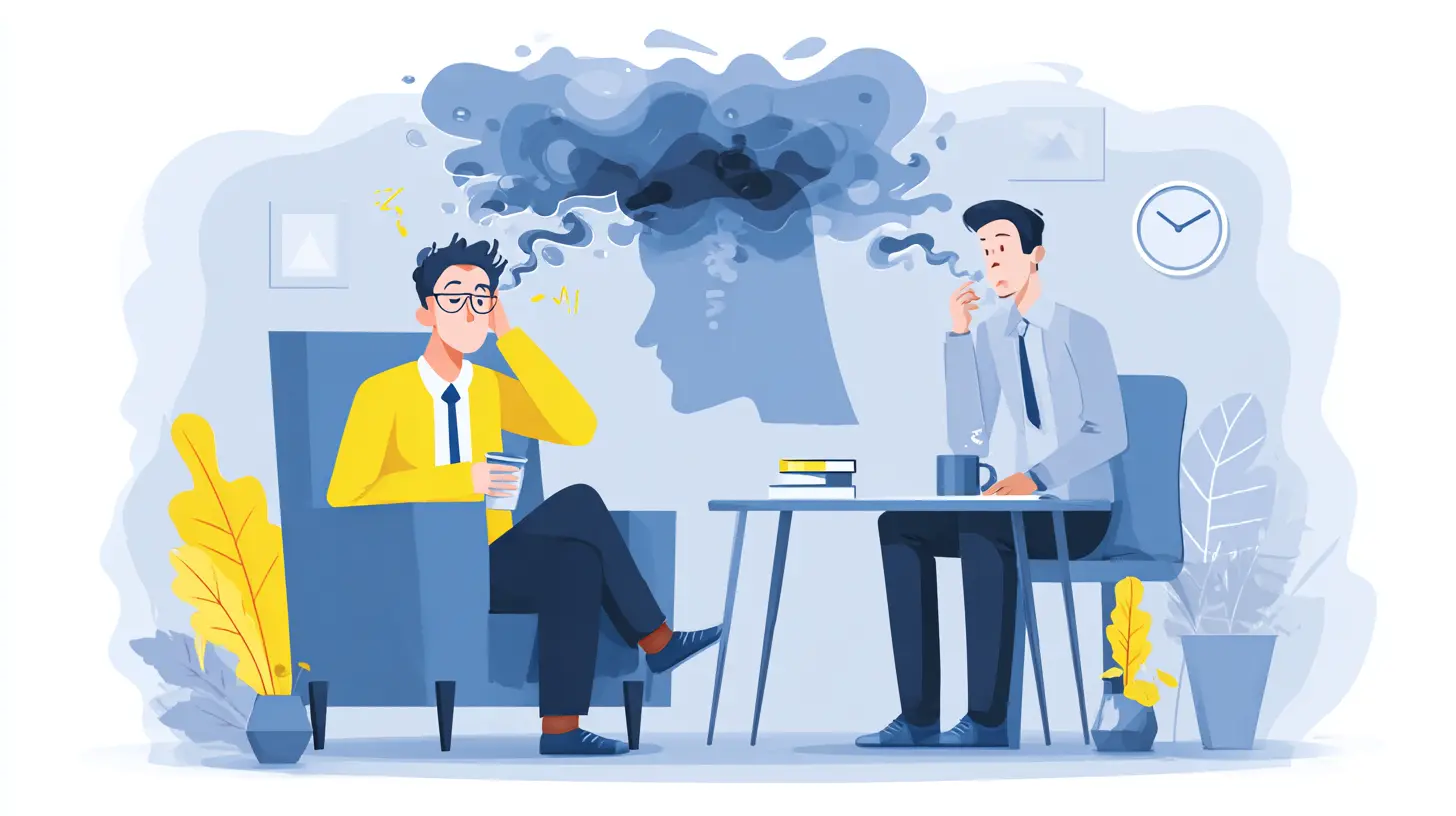
What Is Burnout, Really?
Before we get into the therapy side of things, let’s clear up what burnout actually is. Spoiler alert: It’s not just being tired.Burnout is chronic workplace stress that hasn’t been successfully managed. In plain English, it’s what happens when you’ve been pushing your limits for too long without giving yourself the care—or the credit—you deserve.
Common Symptoms of Burnout:
- Emotional exhaustion (feeling drained all the time)- Cynicism or detachment (that “I can’t even” feeling)
- Reduced performance (trouble concentrating or caring about your work)
- Physical symptoms (headaches, insomnia, stomach issues)
Now, everyone has off days. But burnout is more than just a bad week. It’s a slow burn that gradually chips away at your mental, emotional, and physical well-being.
So... What Exactly Is CBT?
Cognitive Behavioral Therapy (CBT) is a goal-oriented, practical form of psychotherapy. In simple terms, it focuses on identifying and changing unhelpful thought patterns and behaviors.Think of your mind like a messy closet. There's a lot in there—some useful, some not so much. CBT helps you sort through the clutter, toss out the stuff that doesn't serve you, and reorganize what’s left in a healthier way.
The Core Idea Behind CBT:
Your thoughts → influence your feelings → which drive your behaviors.So, if your thoughts are off-kilter (for example, thinking “I’m not good enough” or “If I rest, I’m lazy”), it sets off a chain reaction. You feel anxious, overwhelmed, or hopeless—and you might start avoiding tasks, procrastinating, or overworking to “compensate.”
CBT interrupts that cycle. It’s like hitting reset on a jammed mental playlist.
How CBT Helps Manage Burnout
Alright, now we’re getting to the good stuff. CBT isn’t magic, but its results can feel magical when you’re drowning in burnout.Here’s how it works its way into your burnout recovery plan:
1. Rewiring Negative Thought Patterns
Here’s the thing—when you’re burned out, your brain can become your own worst enemy. You start believing every harsh inner voice and distorted thought.CBT teaches you how to recognize these cognitive distortions like:
- All-or-nothing thinking ("If I mess up once, I’ve failed completely.")
- Catastrophizing ("If I don’t respond to this email immediately, I’ll get fired.")
- Personalization ("Everything going wrong is my fault.")
By challenging and replacing these with more balanced thoughts, you reclaim control over your mindset. It’s like adjusting the lens through which you see your life and work.
2. Managing Perfectionism and Unrealistic Standards
Burnout often has a not-so-secret sidekick: perfectionism. You know, that inner taskmaster that says, “You must do it all—and flawlessly—or don’t do it at all.”CBT helps you identify where perfectionism is driving your behavior. It encourages you to set realistic goals and redefine success—so you stop measuring your worth by your output.
3. Behavioral Activation (A Fancy Way of Saying “Do Something”)
When you’re burned out, you lose motivation—even for things that used to bring you joy. Unfortunately, that leads to avoidance, which deepens the burnout loop.CBT’s behavioral activation technique encourages you to take small, manageable actions even when you don’t feel like it. Why? Because action precedes motivation. It’s like jump-starting a dead battery—you need a spark to get things running again.
4. Stress Management and Coping Skills
Burnout thrives where stress rules and coping is weak. CBT introduces concrete stress-management tools. Think relaxation techniques, time management strategies, and problem-solving skills.It’s not about pretending stress doesn’t exist—it’s about building your resilience to face it head-on. Kind of like upgrading your mental armor.
5. Emotional Regulation
Burnout messes with your emotions. You might feel numb one moment, then irritable or tearful the next. CBT teaches emotional regulation skills—so you're not at the mercy of your mood swings.By understanding and naming your emotions, you gain power over them. It's like emotional literacy for your overloaded brain.
Real-Life CBT Techniques for Burnout
Let’s break down a few simple CBT strategies you can try right now. No therapy couch required.Thought Record
This classic CBT tool helps you catch and challenge your automatic (and often unhelpful) thoughts.Example:
- Situation: Missed a deadline.
- Automatic Thought: “I’m terrible at my job.”
- Emotion: Shame, anxiety.
- Evidence for the thought: “I missed the deadline.”
- Evidence against the thought: “I’ve met dozens of deadlines before. One mistake doesn’t define me.”
- Balanced Thought: “I made a mistake, but I’m usually dependable. I can fix this.”
Writing these out helps you step back and see the bigger picture—without spiraling.
Activity Scheduling
Pick one small, enjoyable activity each day (even if it’s just a 10-minute walk or calling a friend). Schedule it like a meeting. The goal? Reconnect with what makes life feel good again.The 3 Cs: Catch it, Check it, Change it
A simple mental trick:- Catch the negative thought.
- Check if it’s distorted or exaggerated.
- Change it to something more realistic.
Over time, this becomes second nature. You start to think better—and feel better.
When Should You Seek CBT for Burnout?
If you’re feeling stuck, detached, or like you’re constantly running on fumes, CBT might be worth a shot. It's especially helpful if:- You’re constantly stressed out, even outside of work.
- You can’t “just relax,” no matter how hard you try.
- You’ve lost interest in things you used to love.
- You’re quick to anger or feel emotional all the time.
- You dread work—or even everyday tasks.
Doing CBT through a licensed therapist is ideal, but self-help books, worksheets, and CBT-based apps can also be a solid start.
CBT Isn’t a Quick Fix—But It’s a Lasting One
We won’t sugarcoat it: CBT isn’t a magic bullet. It takes effort, reflection, and consistency. You’ll often be facing the very thoughts and fears you’ve tried to ignore.But here’s the thing—it works.
CBT doesn’t just treat the symptoms of burnout; it helps you understand the root causes. It gives you tools to reshape your mindset, change your habits, and stop burnout before it builds up again.
It’s empowering. It’s practical. And it puts you back in the driver’s seat of your mental health.
Combining CBT With Other Burnout Strategies
CBT is powerful, but burnout recovery isn’t a one-size-fits-all solution. It works best when combined with other lifestyle changes like:- Setting work-life boundaries (and actually sticking to them)
- Prioritizing sleep and nutrition
- Finding meaningful rest—not just zoning out with Netflix
- Practicing mindfulness and gratitude
- Talking openly with a support system
Think of CBT as the core of your burnout recovery plan—with other wellness tools supporting it like scaffolding.
Final Thoughts: You’re Not Lazy, You’re Burned Out
We’ve beaten ourselves up for way too long—mistaking exhaustion for weakness, or burnout for failure. But burnout isn’t a personal flaw. It’s a natural response to prolonged stress in an impossible system.And CBT? It’s the antidote.
Using the tools and techniques of CBT, you can begin to untangle burnout’s hold on your thoughts, emotions, and habits. You can rewrite the inner narrative that says “I’m not enough” into something far more powerful: “I’m human. I’m trying. And I’m healing.”
So if your inner flame has dimmed, know this—burnout isn’t the end. With CBT in your corner, it can be the beginning of a brighter, more balanced chapter.
all images in this post were generated using AI tools
Category:
Cognitive Behavioral TherapyAuthor:

Ember Forbes
Discussion
rate this article
1 comments
Arwenia Johnson
This article highlights the practical benefits of Cognitive Behavioral Therapy for burnout. It offers useful strategies for managing negative thoughts and emotions, making it a valuable resource for anyone feeling overwhelmed in their personal or professional life.
September 4, 2026 at 5:04 PM
Ember Forbes
Thanks for your feedback! I'm glad you found the strategies helpful for managing burnout.