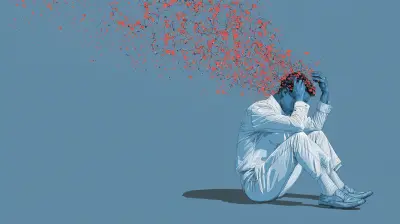
The Overlap Between Depression and Chronic Pain
17 December 2025
Living with chronic pain is exhausting. It wears you down physically, but it also takes a toll on your mental health. If you’ve dealt with long-term pain, you might have noticed something else creeping into your life—depression. The two conditions are often intertwined, creating a vicious cycle that can feel impossible to break. But why does this happen? And more importantly, what can be done about it?
In this article, we’ll dive deep into the connection between chronic pain and depression, looking at how they influence each other and the ways to manage both.

Understanding Chronic Pain
Let’s start by breaking down what chronic pain actually is. Everyone experiences pain from time to time—maybe from an injury, surgery, or illness. Normally, pain fades as the body heals. But for some people, pain doesn’t go away. If pain lasts for three months or longer, it’s considered chronic.Chronic pain can stem from conditions like:
- Arthritis
- Fibromyalgia
- Migraines
- Nerve damage
- Lower back problems
The frustrating part? Sometimes, there’s no clear cause at all. And when pain becomes a persistent part of life, it starts affecting everything—mood, sleep, energy levels, and even relationships.

How Chronic Pain and Depression Are Connected
It’s no surprise that chronic pain often leads to depression. When you’re in pain every day, it’s hard to feel positive about life. But the relationship between these two conditions isn’t one-sided. In fact, depression can increase the perception of pain, making things feel even worse.So, why do these two conditions overlap?
1. Shared Brain Pathways
Pain and mood regulation share similar brain circuits. The areas of the brain responsible for processing pain—like the prefrontal cortex and limbic system—also play a big role in emotions. When one system is struggling, the other can suffer too.2. Chemical Imbalance
Both depression and chronic pain are linked to low serotonin and norepinephrine levels—chemicals that help regulate mood and pain signals. This explains why antidepressants sometimes help with chronic pain, even in people who aren’t depressed.3. Sleep Disruptions
Chronic pain makes it hard to get quality sleep, and lack of sleep can worsen depression. Poor sleep can lower your pain threshold, making everything hurt more. It’s a never-ending loop!4. Limited Physical Activity
Pain makes you less active. But here’s the kicker—exercise helps with both pain and depression. When movement is reduced, muscles weaken, stiffness increases, and mood declines. It’s a recipe for disaster.5. Emotional Distress and Isolation
Living in constant pain can lead to frustration, hopelessness, and social withdrawal. You might stop doing things you love or avoid people because it’s just too exhausting. The loneliness that follows can make depression even worse.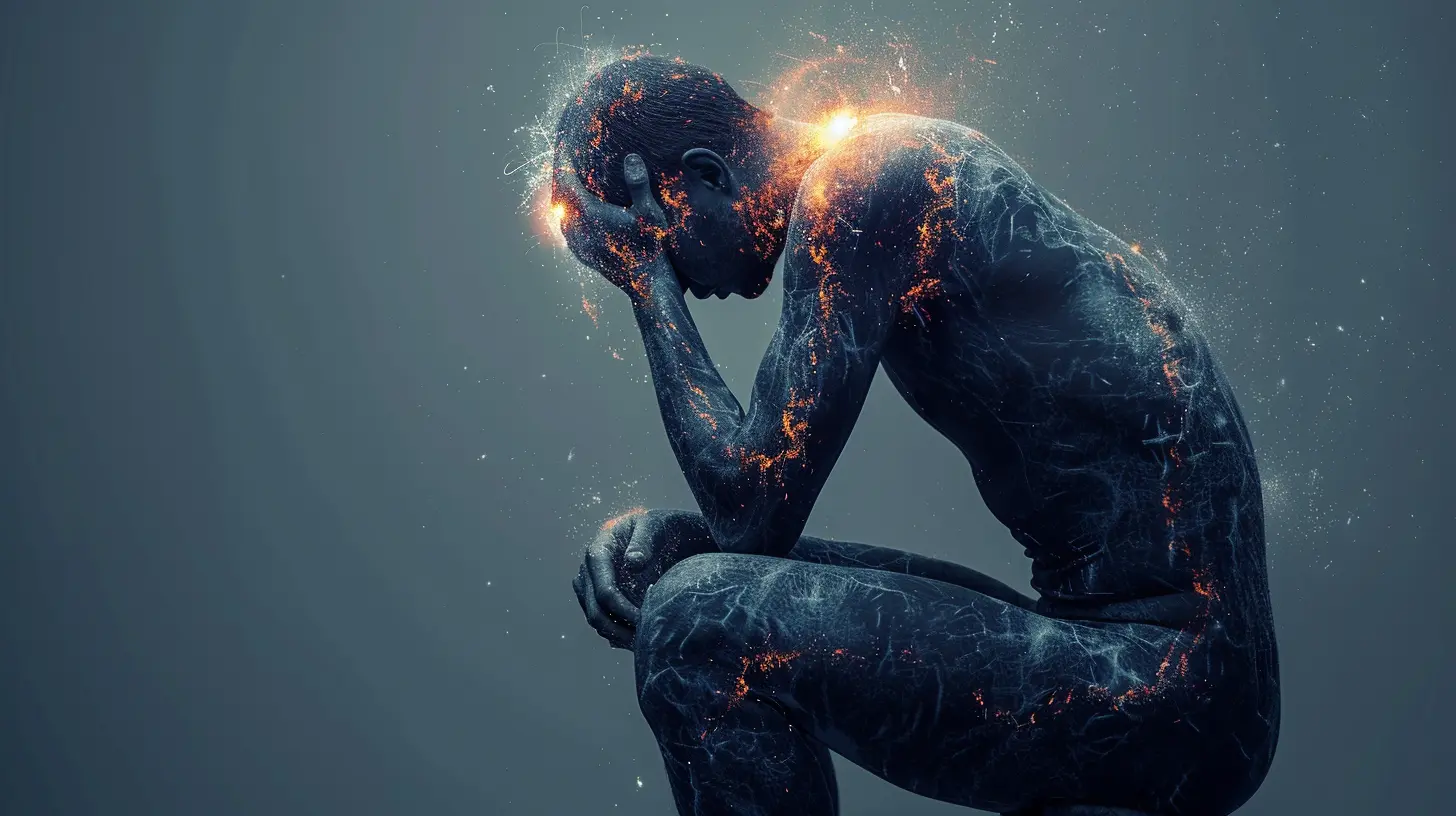
The Dangerous Cycle of Pain and Depression
Now, let’s talk about the pain-depression cycle—a relentless loop of suffering.- Pain causes stress and frustration
- Stress and frustration lead to depression
- Depression makes it harder to cope with pain
- Increased perception of pain worsens the overall experience
- The cycle repeats
Breaking this cycle requires addressing both conditions together, not just one.

Managing Both Chronic Pain and Depression
So, what can you do if you’re stuck in this vicious cycle? The good news is, there are ways to manage both chronic pain and depression effectively. Let’s take a look at some strategies.1. Medication Options
Doctors often recommend medications that tackle both pain and depression. These might include:- Antidepressants: Some, like SNRIs (duloxetine, venlafaxine) and tricyclic antidepressants (amitriptyline, nortriptyline), help with pain too.
- Pain relievers: Depending on the cause, NSAIDs or nerve pain medications might be prescribed.
- Muscle relaxants: In some cases, these can ease discomfort.
2. Cognitive-Behavioral Therapy (CBT)
CBT is one of the most effective treatments for both chronic pain and depression. It helps reframe negative thoughts, teaches coping skills, and reduces the emotional impact of pain.3. Regular Physical Activity
Exercise might feel impossible when you’re in pain, but gentle movement can work wonders. Activities like:- Yoga
- Swimming
- Walking
- Tai Chi
These can help release endorphins (your body's natural painkillers) and improve mood.
4. Mind-Body Techniques
Managing stress is key. Techniques like:- Meditation
- Deep breathing
- Progressive muscle relaxation
- Biofeedback
These can help lower stress levels and reduce pain perception.
5. Healthy Sleep Habits
Improving sleep can ease both pain and depression. Try:- Sticking to a regular sleep schedule
- Avoiding screens before bed
- Creating a comfortable sleeping environment
- Using relaxation techniques before bedtime
6. Social Connection and Support
Isolation only makes things worse. Talking to loved ones, joining a support group, or seeking therapy can make a huge difference. Knowing you're not alone can be incredibly reassuring.7. Nutrition and Diet
Certain foods have anti-inflammatory properties that may help with chronic pain. Omega-3 fatty acids, leafy greens, nuts, and turmeric can all contribute to better overall well-being.8. Alternative Therapies
Some people find relief with complementary approaches:- Acupuncture
- Chiropractic care
- Massage therapy
While results vary, these methods can be worth exploring.
When to Seek Professional Help
If pain and depression are severely impacting your quality of life, don’t hesitate to seek help. A doctor or mental health professional can guide you toward the right treatment plan. Pain and depression are real, valid struggles—help is out there.
Final Thoughts
The overlap between chronic pain and depression isn’t just a coincidence—it’s a deeply connected relationship that affects millions of people. While the pain-depression cycle can feel overwhelming, there are ways to manage both conditions and reclaim a sense of control over your life.If you or someone you know is struggling, remember: you don’t have to face this alone. With the right strategies, support, and professional guidance, it’s possible to break free from the cycle and find relief, one step at a time.
all images in this post were generated using AI tools
Category:
Psychological DisordersAuthor:

Ember Forbes
Discussion
rate this article
2 comments
Tristan Oliver
Insightful article on important connections!
December 18, 2025 at 5:30 AM
Ember Forbes
Thank you! I'm glad you found it insightful.
Hazel McTavish
In the shadows of the mind and body, an intricate dance unfolds. Could the echoes of unspoken pain reveal deeper truths about our emotional landscapes? Unraveling this mystery may change everything.
December 17, 2025 at 4:21 AM
Ember Forbes
Absolutely, the interplay between unacknowledged pain and our emotional state is profound. Exploring this connection can indeed illuminate pathways to healing.