The Psychology of Denial: Why Mental Health Stigma Persists
13 May 2026
Let’s talk about denial. Not the “No, officer, I didn’t see the speed limit sign” kind (even though… we’ve all been there). I’m talking about the psychological blockade we build when something feels too uncomfortable, too big, or too real to deal with. When it comes to mental health, denial is like that loud friend at a dinner party who refuses to leave — annoying, persistent, and somehow always stealing the show.
So, why is it that even in 2024 — when we can 3D print organs and swipe right on love — we're still stuck in the stone age when it comes to talking about mental health?
Let’s break it all down. Grab your coffee, your cozy blanket, and maybe a therapy dog (optional, but encouraged). We're diving deep into the squishy parts of the brain where stigma and denial like to hang out.
What Is Denial, Anyway?
In psychological terms, denial is a defense mechanism. It’s your brain's way of saying, “Nope, not today!” to anything that feels threatening, scary, or just plain uncomfortable. It’s like sticking your fingers in your ears and yelling “La-la-la!” when someone tries to bring up something you don’t want to hear.When you’re in denial, you're not lying — not exactly. You're more like... selectively ignoring reality. It’s not that the problem doesn’t exist; it’s just easier to pretend it doesn’t.
Fun fact: denial is one of the first defense mechanisms Freud ever wrote about. So yeah, it’s been around longer than avocado toast.
The Not-So-Fun Side of Denial
Denial might feel good in the short-term. It gives your mind a little nap from the things that hurt. But long-term? It’s like sweeping emotional garbage under the rug. Eventually, the rug looks suspiciously lumpy… and starts to smell.When applied to mental health, denial manifests in some frustrating and harmful ways:
- “I’m just tired, not depressed.”
- “They’re just being dramatic.”
- “Therapy is for people who can’t handle life.”
Sound familiar? That’s the script society’s been reciting for years. And unfortunately, it’s made it really hard for people to get the help they need.
Where Does the Stigma Start?
Picture this: You break your leg. Everyone rushes to help. There's sympathy. There’s crutches. There’s probably even a get-well-soon card signed by the office.Now picture experiencing anxiety so bad you can’t breathe. Or depression so deep you can’t get out of bed. Instead of concern, you get:
- “Just try yoga.”
- “You’re being negative.”
- “Snap out of it.”
Yikes.
So, where did we go wrong?
Let’s break it down:
1. Generations of “Tough It Out” Culture
Our parents, and their parents, were raised in a world where emotional issues were seen as personal failures. You didn’t talk about feelings; you buried them six feet under and smiled at the neighbors.Mental illness wasn’t something to treat — it was something to deny, hide, or medicate quietly with gin and stoicism.
2. Media Misrepresentations
Let’s not forget how mental illness is portrayed on TV and in movies. One week it’s glamorized (hello, brooding genius trope), and the next week it’s villainized (cue the serial killer with schizophrenia).This inconsistency has wired our brains to fear or mock what we don’t understand — and mental illness is the poster child of misunderstood.
3. Language Matters (More Than You Think)
Phrases like “crazy,” “nutjob,” or “psycho” are thrown around like confetti. And while they might seem harmless, they plant little seeds in our collective consciousness that reinforce negative stereotypes.Language is powerful. And unfortunately, we’ve often used it to build walls instead of bridges.
The Role of Denial in Cultivating Stigma
Denial doesn’t just operate on a personal level — it’s societal too. When a whole culture agrees not to talk about mental health, you get generations of unspoken pain.Think of denial as the shady landlord of your mind. It convinces you the cracks in the walls aren’t a big deal… until the ceiling caves in.
Here’s how denial fuels stigma:
- Minimizes Symptoms – “It’s all in your head” becomes the excuse not to take people seriously.
- Delays Help – People wait until they reach a breaking point, often when it's much harder to treat.
- Shames the Sufferer – If no one else is talking about it, you start to think you must be the problem.
Basically, denial doesn't just whisper, "You're fine." It shouts, “Don’t be THAT person.”
Mental Health and the Fear of Being “Different”
We humans are pack animals. We crave belonging. So anything that threatens our “normalcy” feels like a threat to survival — even if we’re not dodging saber-toothed tigers anymore.Mental illness presents as “different.” And different can be scary. That fear turns into silence. Silence turns into stigma. And stigma? It feeds denial like a buffet.
Let’s be real — who wants to be labeled as “unstable”? That word alone sounds like it belongs on an abandoned roller coaster, not a human being.
How Denial Becomes a Barrier to Healing
Want to know the cruelest part? The stigma born from denial discourages people from seeking help. It’s an emotional double bind:- You’re struggling.
- But you’re afraid to admit it.
- So you don’t get help.
- Then you struggle more.
It’s like refusing to acknowledge you’re drowning because you don’t want anyone to think you can’t swim.
By the time someone does reach out, they’re often deep in crisis mode. And the sad thing? It didn’t need to get to that point.
Breaking the Denial-Stigma Loop
We’ve talked about the problem. Time for the solution. The good news? Denial gives way to awareness. And awareness is the gateway drug to change.Here’s how you — yes, YOU — can help break the cycle:
Start With Yourself
You don’t need to have it all together. No one does (not even that influencer who’s always serene and glowing under natural candlelight). Get curious about your own mental health. Ask, “Am I really fine, or am I just used to this level of stress/sadness/anxiety?”Being honest with yourself is the ultimate power move.
Normalize the Conversation
Talk about therapy like you’d talk about going to the dentist or getting your oil changed. Share your struggles with people you trust. It’s not weakness. It’s humanness.The more we normalize mental health talk, the less room stigma has to grow.
Educate Yourself and Others
Stats are your friend:- 1 in 5 adults experience mental illness each year.
- Half of all mental health conditions start by age 14.
When you arm yourself with knowledge, stigma doesn’t stand a chance.
Bonus tip: correct mental health myths when you hear them. Kindly, not condescendingly. You're not battling ignorance — you're inviting understanding.
Embrace Empathy, Not Judgment
We’re all a little broken. That doesn’t mean we’re defective. It means we're human.Instead of judging someone’s struggle, try asking: “What’s going on beneath the surface?” Remember, no one chooses anxiety or depression like they choose a new pair of shoes.
Therapy Is Not a Dirty Word
Last but not least: therapy. Repeat after me — “Therapy is not a last resort. It’s a form of self-care. Like hydration. Or naps.”Going to therapy doesn’t mean you’re broken. It means you’re self-aware enough to want better.
Denial says, “You should be able to handle this on your own.” Reality says, “Even superheroes need allies.”
Final Thoughts: Let's Kick Denial to the Curb
Denial is crafty. It wears a thousand disguises — pride, fear, tradition, even humor. But here’s the truth: facing your mental health doesn’t make you weak. It makes you brave.Yes, stigma still exists. But slowly, one open conversation, one brave admission, one shrug-it-off-and-go-to-therapy moment at a time, we’re breaking those chains.
So be the person who talks about it. Be the person who listens. And most importantly, be the person who gets help — even when denial says you don’t need it.
Because truth bomb: You deserve to feel okay. Not sort-of okay. Not pretending-to-be-okay. Actually, wonderfully, peacefully okay.
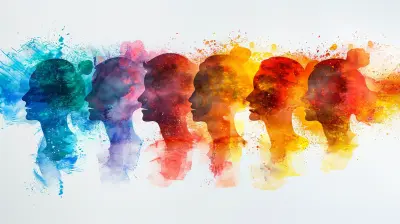
all images in this post were generated using AI tools
Category:
Mental Health StigmaAuthor:

Ember Forbes
Discussion
rate this article
1 comments
Iliana Wade
Understanding denial is crucial for breaking stigma... keep sharing!
May 31, 2026 at 4:38 PM
Ember Forbes
Thanks for your support! Understanding denial really is key to changing perceptions around mental health. Let's keep the conversation going!