Why We Still Want the Snack
March 20, 2026 - 02:01
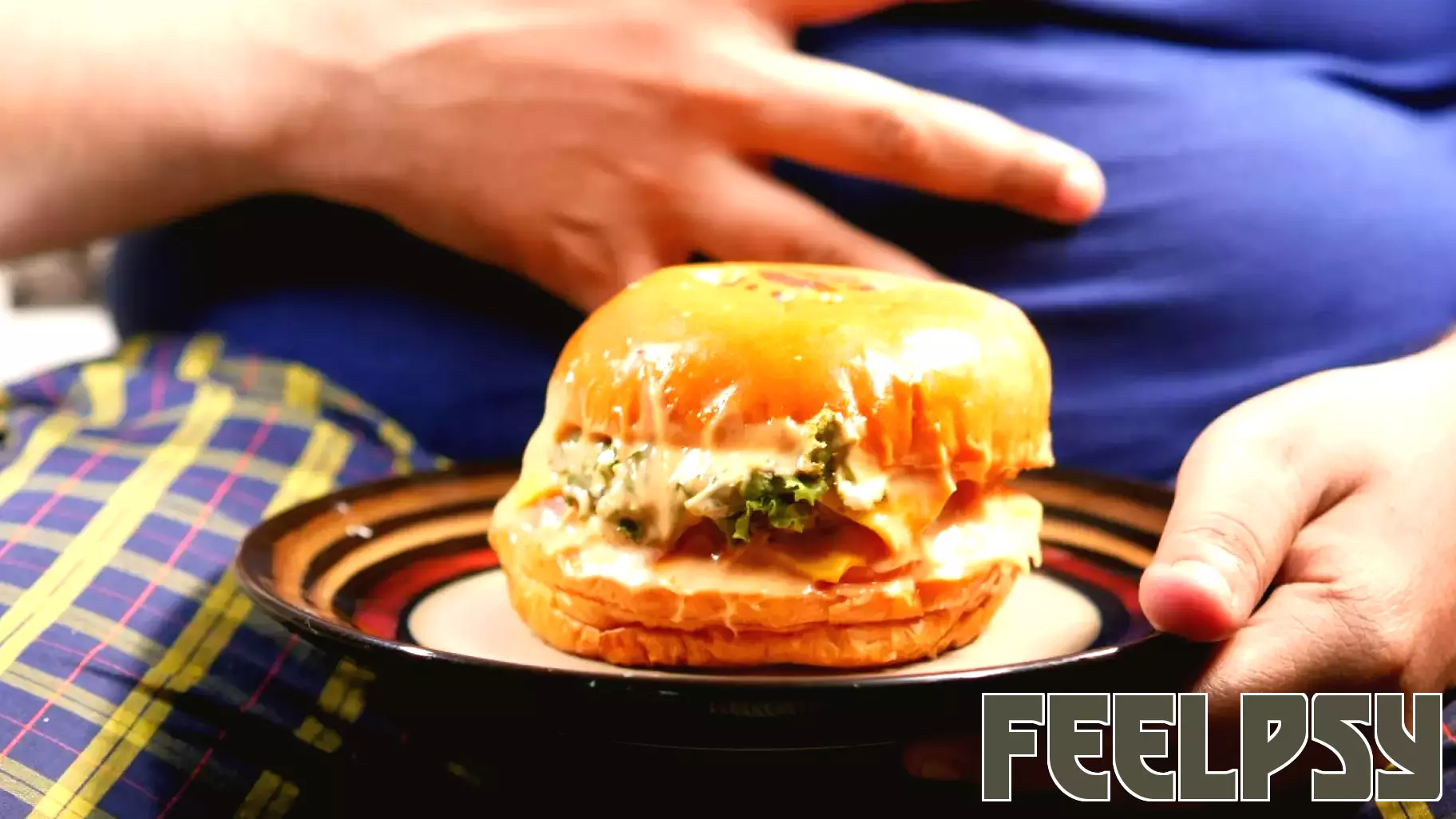
New research delves into the neurological tug-of-war between feeling full and still craving a snack, offering a clearer explanation for why the sight of tempting foods can override feelings of satiety. The findings suggest that early, automatic brain responses to food cues remain powerfully rewarding, even when we are no longer physically hungry.
This study indicates that the initial, subconscious reaction to images of palatable food is a robust signal of "wanting" that operates independently from the "full" signals sent from the stomach. This fundamental disconnect helps explain the common experience of feeling compelled to eat despite having finished a meal. The visual cue triggers a deep-seated reward pathway in the brain, promoting desire before conscious thought can intervene.
Scientists note that this ingrained response likely stems from evolutionary drives to seek high-calorie nourishment. In modern environments saturated with food imagery and readily available snacks, this once-advantageous trait can now contribute to habitual overeating and difficulty managing weight. Understanding this automatic neural process is a step toward developing better strategies for mindful eating, highlighting that the battle against temptation often begins in the split-second brain reactions we don't consciously control.
MORE NEWS

September 16, 2026 - 00:56
A Cree psychotherapist reflects on relationship, belonging and the illusion of a fixed selfAn Anishinaabe storyteller and healer from Serpent River First Nation is sharing Ojibwe teachings on suffering, acceptance and ceremony as a way to connect Indigenous healing wisdom with...

September 15, 2026 - 08:18
Why Some People Stay Confident When Others Take Everything PersonallyConfidence is not about being oblivious to what happens around you. It is about noticing events, comments, and reactions without turning them into a story about your worth. That distinction matters...

September 14, 2026 - 20:07
Friendship budgets, Jungian psychology and years of Dortmund DIY shows - behind the scenes of "Chrysopoeia" by MORAL BOMBINGMoral Bombing released `Chrysopoeia` on August 13, 2026, through Gizzmoix Records, Spleencore Records, and Villus Records. The album is a unique blend of personal experiences, deep psychological...

September 14, 2026 - 02:24
Why Names Slip Away and What It Says About Your MemoryIt happens to almost everyone. You meet someone new, chat for a few minutes, and then the name vanishes. The face stays familiar, the conversation remains clear, but the name is gone. Many people...