The Quiet Power of Pen and Paper: Why Writing by Hand Still Matters
May 3, 2026 - 13:09
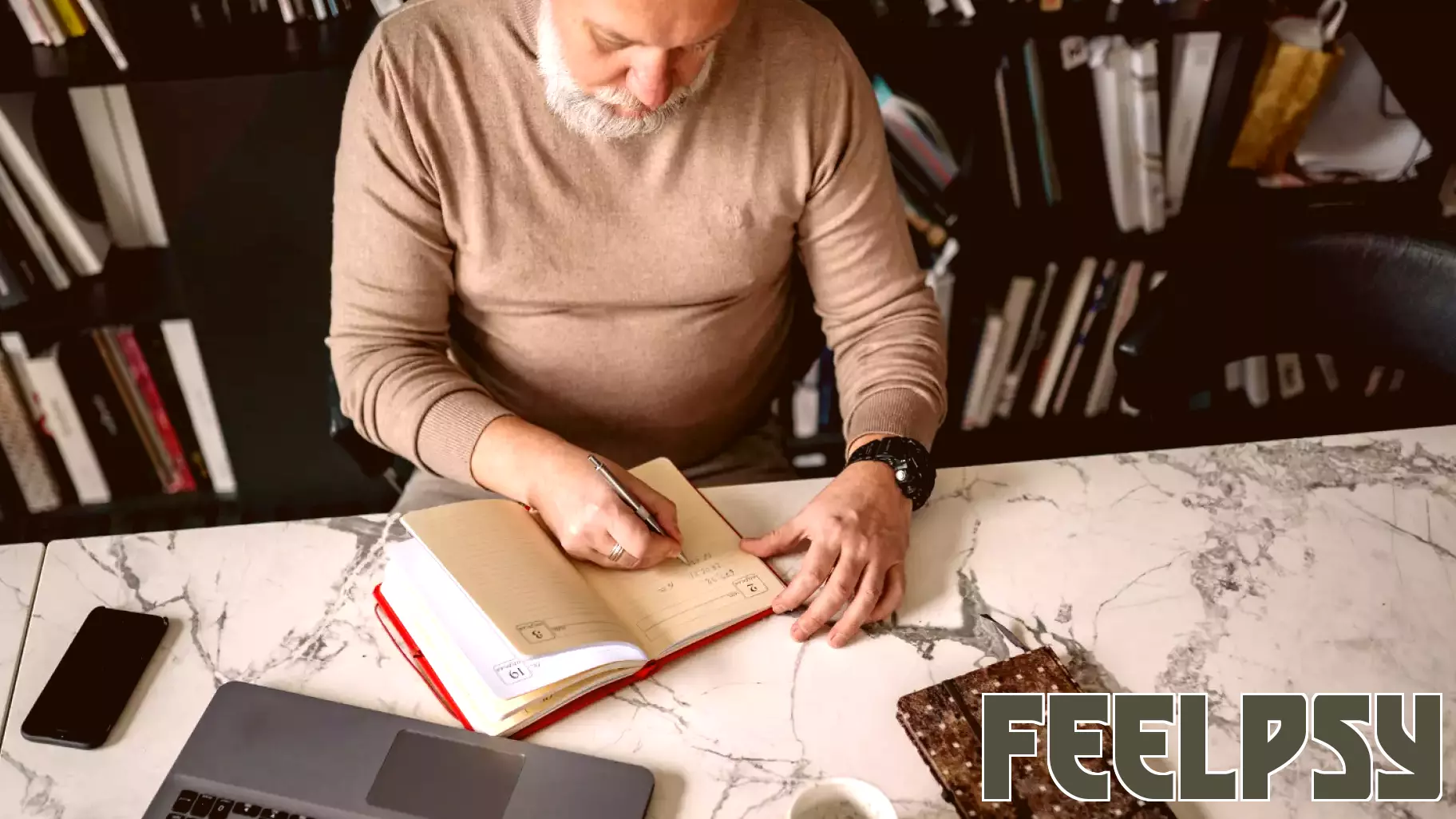
In an age of instant messaging, voice-to-text, and AI-generated notes, the simple act of writing things down on paper might seem like a stubborn refusal to move forward. But psychology suggests otherwise. People who still reach for a notebook aren't resisting technology. They are preserving a thinking process that forces the mind to slow down enough to actually hear itself.
When you type, your fingers can keep up with your racing thoughts. The result is often a blur of half-formed ideas, quick reactions, and shallow processing. Handwriting, by contrast, is slow. It demands patience. Each letter takes effort. That friction is not a flaw. It is a feature. The slower pace gives your brain time to connect dots, to question assumptions, and to refine a thought before it lands on the page.
Research in cognitive psychology supports this. Writing by hand activates neural circuits linked to memory and comprehension more deeply than typing does. The physical act of forming letters engages the brain in a way that tapping keys does not. It is a full-body thinking tool, not just a recording device.
There is also something intimate about the process. The feel of the pen, the scratch of the nib, the slight resistance of the paper. It grounds you in the moment. It pulls you away from notifications and into your own head. For many, that is not nostalgia. It is survival.
So the next time you see someone with a notebook, do not assume they are behind the times. They might just be thinking better.
MORE NEWS

September 15, 2026 - 08:18
Why Some People Stay Confident When Others Take Everything PersonallyConfidence is not about being oblivious to what happens around you. It is about noticing events, comments, and reactions without turning them into a story about your worth. That distinction matters...

September 14, 2026 - 20:07
Friendship budgets, Jungian psychology and years of Dortmund DIY shows - behind the scenes of "Chrysopoeia" by MORAL BOMBINGMoral Bombing released `Chrysopoeia` on August 13, 2026, through Gizzmoix Records, Spleencore Records, and Villus Records. The album is a unique blend of personal experiences, deep psychological...

September 14, 2026 - 02:24
Why Names Slip Away and What It Says About Your MemoryIt happens to almost everyone. You meet someone new, chat for a few minutes, and then the name vanishes. The face stays familiar, the conversation remains clear, but the name is gone. Many people...

September 13, 2026 - 03:43
The Cousin Closest in Age Shaped How You Measured YourselfGrowing up, the cousin nearest your age often felt less like a relative and more like a rival, an ally, or both at once. Psychologists suggest this relationship carried a weight that few families...