Why Story Intelligence Is a New Core Capability
July 28, 2026 - 18:22
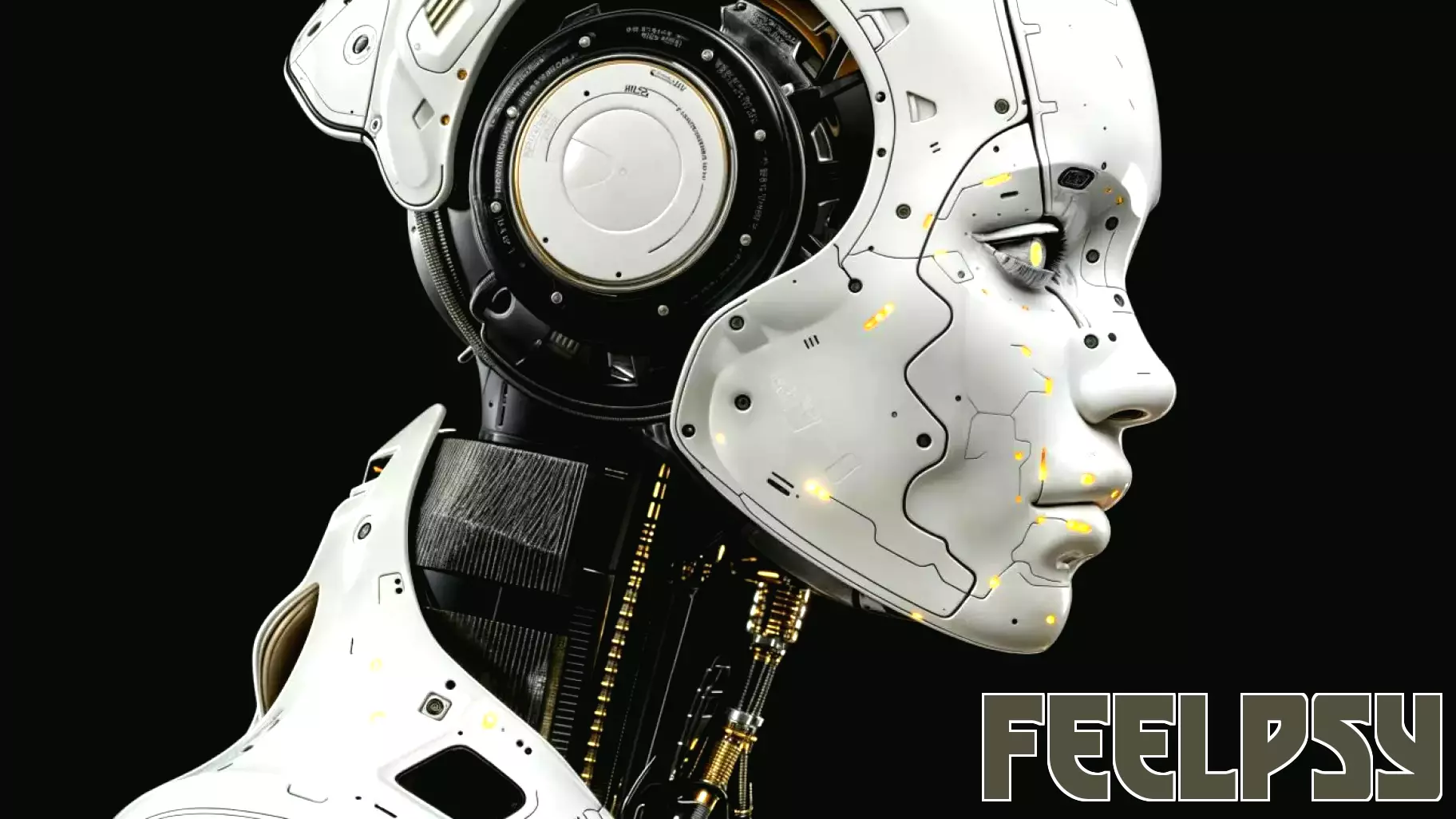
As artificial intelligence takes over data processing, pattern recognition, and even content generation, a different kind of human capability is emerging as essential. It is not technical coding or advanced analytics. It is Story Intelligence.
Story Intelligence is the ability to recognize the narratives that shape our thinking, question their validity, and reshape them when needed. Every decision we make, from personal career moves to corporate strategy, is driven by an underlying story. These stories can be empowering or limiting, accurate or misleading. The skill lies in seeing them clearly.
In a world flooded with AI-generated text, video, and audio, the ability to distinguish a genuine human narrative from a synthetic one becomes critical. But more than that, Story Intelligence allows people to understand why certain stories stick, why they influence behavior, and how to craft new ones that lead to better outcomes.
This is not about storytelling as a marketing trick. It is about critical thinking applied to narrative. A leader with high Story Intelligence can spot when a team is stuck in a defeatist story and help rewrite it. A voter can recognize when a political message relies on emotional manipulation rather than fact. A consumer can see through brand narratives that promise more than they deliver.
As machines get better at generating plausible stories, humans must get better at evaluating them. Story Intelligence is not a soft skill. It is a core capability for navigating a reality where the line between human and machine narrative is blurring. The question is no longer whether AI can tell a story. The question is whether we can tell which stories are worth believing.
MORE NEWS

July 28, 2026 - 00:17
Teaching the Next Generation to Reject MisogynyMisogyny is not something people are born with. It is learned, often in small, quiet ways through the jokes we laugh at, the roles we assign, and the comments we let slide. But if it can be learned...

July 27, 2026 - 16:52
Professors Learn Why Education Fails to Restrain CorruptionA new study from university researchers suggests that even extensive education and ethics training may fail to curb tolerance for corruption when social norms are already broken. The findings...

July 26, 2026 - 18:52
In Memoriam: Isaac PrilleltenskyThe field of community psychology has lost one of its most influential voices. Isaac Prilleltensky, a towering figure in critical theory and the study of human well-being, passed away in May 2026....

July 26, 2026 - 00:45
Study Reveals Risks of Reclaimed Hate SpeechMinority groups frequently attempt to reclaim offensive language as a means of empowerment. Yet, a recent study uncovers troubling consequences associated with this practice. Researchers found that...