When Conflict at Home Shapes a Child’s World
March 13, 2026 - 03:13
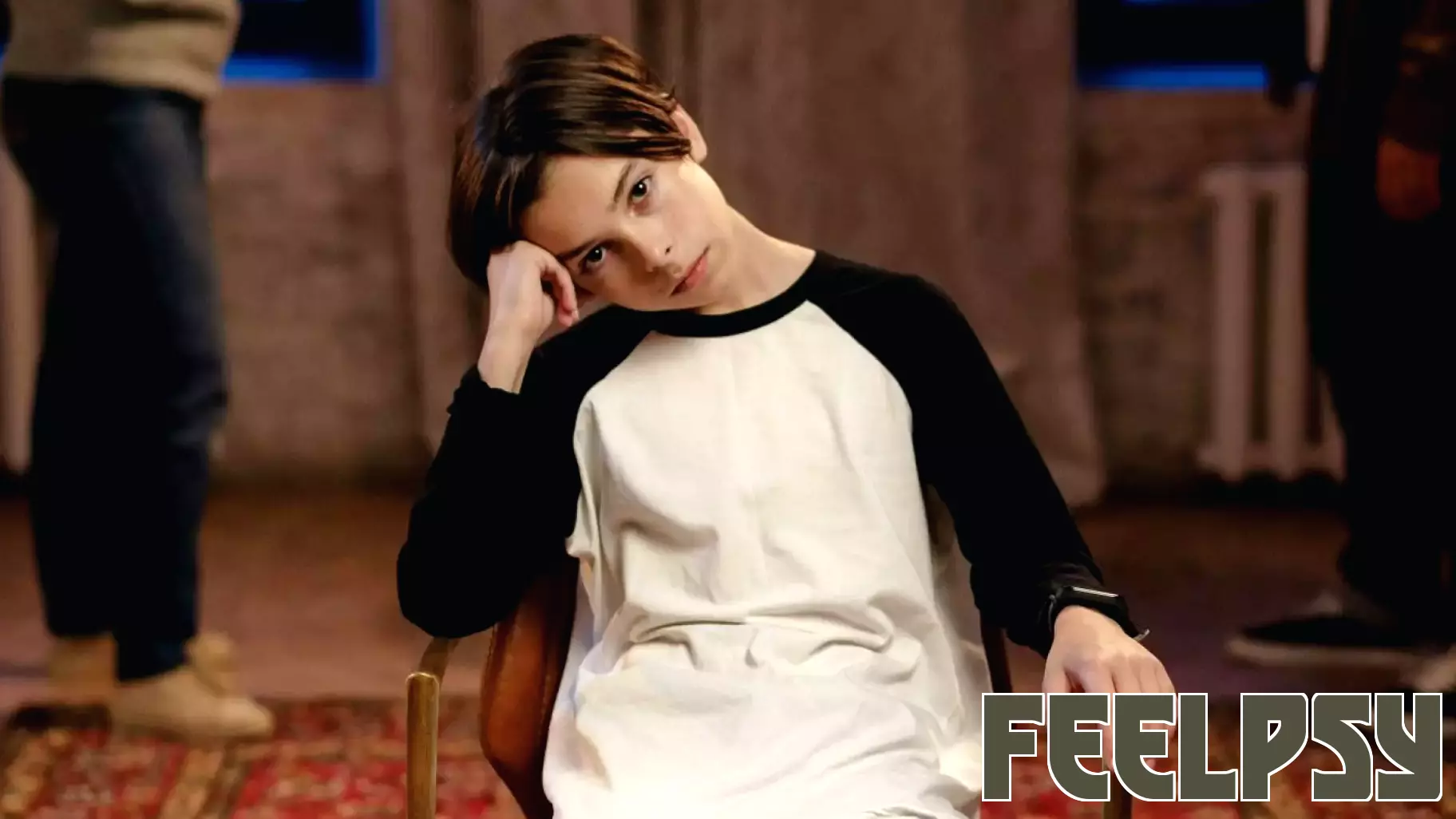
The stark recollections of a young offender are providing a sobering window into how chronic family conflict fundamentally warps a child's developing worldview. New insights reveal that these aren't merely bad memories, but formative experiences that actively shape neural pathways and social understanding.
Children immersed in persistent domestic strife learn to operate in a state of high alert. Their world becomes one of unpredictable threats, where conflict is the primary mode of interaction. This constant vigilance often rewires their stress response systems, making it difficult to regulate emotions or trust others later in life. Experts explain that these children don't just witness arguments; they internalize a blueprint for relationships where aggression, anxiety, and instability are the norm.
This altered perception frequently manifests in social settings. A neutral glance can be misinterpreted as a challenge; a raised voice can trigger a disproportionate fight-or-flight reaction. The skills typically developed in peaceful homes—negotiation, empathy, and calm resolution—remain foreign. For some, this leads to social isolation. For others, it translates into externalized aggression, as they unconsciously replicate the only relational model they know.
The case underscores that the impact extends far beyond emotional distress. It is a cognitive reshaping, influencing how these children process information, assess safety, and navigate every interaction. Addressing youth behavior, therefore, demands looking beyond the act itself to the foundational environment that taught them how to see the world. The findings call for early intervention, stressing that providing stability and modeling healthy conflict resolution is not merely beneficial, but crucial for breaking a pervasive cycle.
MORE NEWS

October 24, 2026 - 07:32
Why Buyers Overpay for Used Cars: The Left-Digit EffectConsumers routinely ignore information when making purchases. They overlook the tax attached to a price, skim past ingredient lists and often fail to process exact numbers with any precision. This...

October 23, 2026 - 18:16
Psychologist Points to New Signs of Neurological Trouble in TrumpA widely cited psychologist and body language expert is raising fresh concerns about President Donald Trump`s mental state after observing his behavior during Wednesday`s rallies. Dr. John Garrison...
October 23, 2026 - 15:01
Psychology says your child bending down to see the world between their legs isn't as random as it looks; here's what it could meanYou may have seen your child bend forward, tuck their head between their legs and look at the room upside down. A familiar face, the living room sofa or a parent standing nearby suddenly becomes...

October 22, 2026 - 18:47
Three Psychology-Backed Ways to Make Your Own LuckA psychologist shares three practical ways to recognize opportunities, overcome setbacks, and put yourself in a better position for success. Luck often feels like something that happens to people...