Children Sense the Harm of AI, Yet Are Forced to Use It Regardless
April 26, 2026 - 21:34

Artificial intelligence has become deeply woven into the developmental stages where young minds are most malleable. As AI tools infiltrate classrooms, homework platforms, and social interactions, a troubling paradox has emerged: children—particularly teenagers—are acutely aware that these systems are hurting them, yet they have little choice but to continue using them.
Recent studies and anecdotal reports from educators reveal that adolescents are the demographic most worried about AI’s impact. They describe feelings of anxiety, diminished self-worth, and a creeping sense of surveillance when interacting with AI-driven learning apps or content recommendation algorithms. Unlike adults who may rationalize or ignore these effects, teenagers often articulate a raw, visceral discomfort. They notice how AI grading systems penalize creativity, how chatbots replace genuine human feedback, and how personalized feeds trap them in echo chambers that amplify their insecurities.
Their concerns are not unfounded. Cognitive development research shows that the adolescent brain is particularly sensitive to external validation and social comparison. AI systems, designed to maximize engagement, exploit these vulnerabilities. The constant pressure to perform for an algorithm—whether in adaptive learning software or social media feeds—can erode intrinsic motivation and foster a transactional view of education and relationships.
Yet, the mandate to use AI is inescapable. Schools increasingly require students to submit work through AI-monitored platforms. Parents rely on AI tutors to fill gaps in instruction. Social life itself is mediated by AI-curated content. For many young people, opting out is not a realistic option; it would mean falling behind academically, socially, or both.
This forced compliance creates a silent crisis. Teenagers are left to navigate a digital landscape they distrust, without the agency to change it. Their voices are rarely included in the design or policy decisions that shape these tools. As one 16-year-old put it, “We know it’s bad for us, but we have to pretend it’s fine. That’s the real damage.”
The solution is not to abandon AI, but to urgently rethink how it is deployed in children’s lives. Developers, educators, and parents must listen to what young people are already saying: that they feel the harm, and they deserve tools that respect their development, not exploit it.
MORE NEWS
October 24, 2026 - 07:32
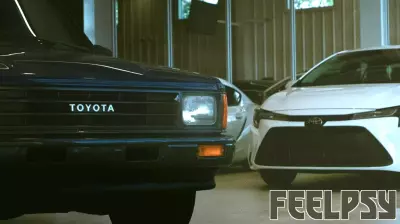
Why Buyers Overpay for Used Cars: The Left-Digit EffectConsumers routinely ignore information when making purchases. They overlook the tax attached to a price, skim past ingredient lists and often fail to process exact numbers with any precision. This...

October 23, 2026 - 18:16
Psychologist Points to New Signs of Neurological Trouble in TrumpA widely cited psychologist and body language expert is raising fresh concerns about President Donald Trump`s mental state after observing his behavior during Wednesday`s rallies. Dr. John Garrison...

October 23, 2026 - 15:01
Psychology says your child bending down to see the world between their legs isn't as random as it looks; here's what it could meanYou may have seen your child bend forward, tuck their head between their legs and look at the room upside down. A familiar face, the living room sofa or a parent standing nearby suddenly becomes...

October 22, 2026 - 18:47
Three Psychology-Backed Ways to Make Your Own LuckA psychologist shares three practical ways to recognize opportunities, overcome setbacks, and put yourself in a better position for success. Luck often feels like something that happens to people...