What Did All Enlightenment Thinkers Have In Common?
June 12, 2026 - 00:35
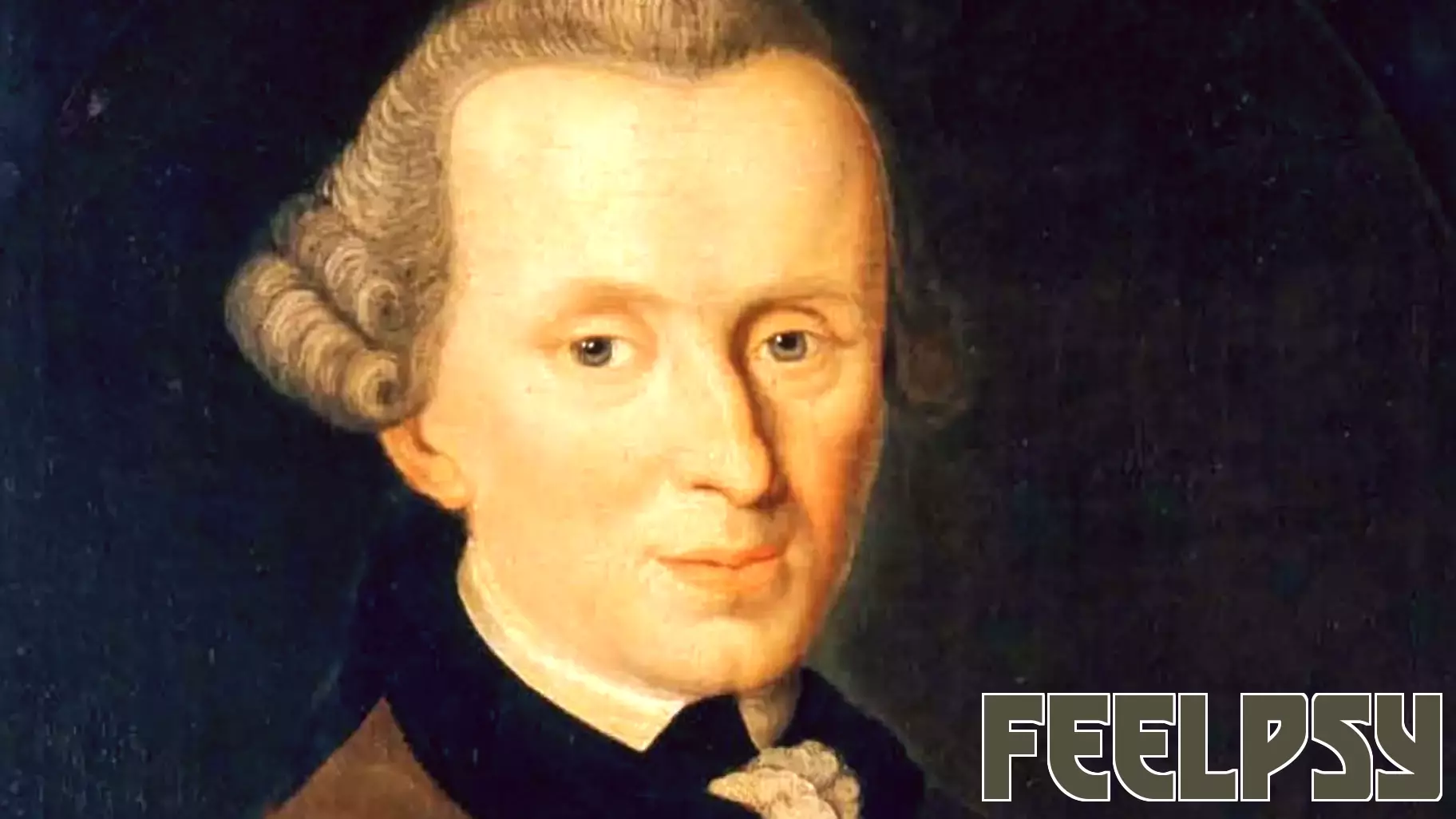
The Enlightenment era of the 17th and 18th centuries produced a diverse group of philosophers, scientists, and political writers. From John Locke to Voltaire, from Immanuel Kant to Mary Wollstonecraft, their ideas often clashed on religion, government, and human nature. Yet historians agree that these thinkers shared a single, powerful commitment: a belief in reason as the primary guide for human affairs.
This shared faith in rational thought meant rejecting tradition, superstition, and absolute authority. Enlightenment thinkers argued that human beings could understand the world through observation and logic, not just through scripture or royal decree. They applied this method to everything from physics to politics. For example, Locke used reason to argue that government required the consent of the governed. Kant famously urged people to "dare to know" and think for themselves.
This common thread had lasting consequences. It directly challenged the divine right of kings and the unquestioned power of the church. It laid the groundwork for modern democracy, human rights, and secular education. The idea that every person has the capacity to reason led to calls for equality and freedom of speech.
While the thinkers disagreed on many details, their shared trust in reason created a new way of seeing the world. That legacy remains central to modern political systems and scientific inquiry today.
MORE NEWS

October 24, 2026 - 18:41
Inside the Liar's Mind: How Deception Turns Against ItselfThe chronic liar is someone who has learned how to slip past the usual signals of deception. Most people rely on small cues to tell when someone is being untruthful, such as avoiding eye contact,...

October 24, 2026 - 07:32
Why Buyers Overpay for Used Cars: The Left-Digit EffectConsumers routinely ignore information when making purchases. They overlook the tax attached to a price, skim past ingredient lists and often fail to process exact numbers with any precision. This...

October 23, 2026 - 18:16
Psychologist Points to New Signs of Neurological Trouble in TrumpA widely cited psychologist and body language expert is raising fresh concerns about President Donald Trump`s mental state after observing his behavior during Wednesday`s rallies. Dr. John Garrison...

October 23, 2026 - 15:01
Psychology says your child bending down to see the world between their legs isn't as random as it looks; here's what it could meanYou may have seen your child bend forward, tuck their head between their legs and look at the room upside down. A familiar face, the living room sofa or a parent standing nearby suddenly becomes...