Understanding the Established Causes of Autism
April 18, 2025 - 09:22
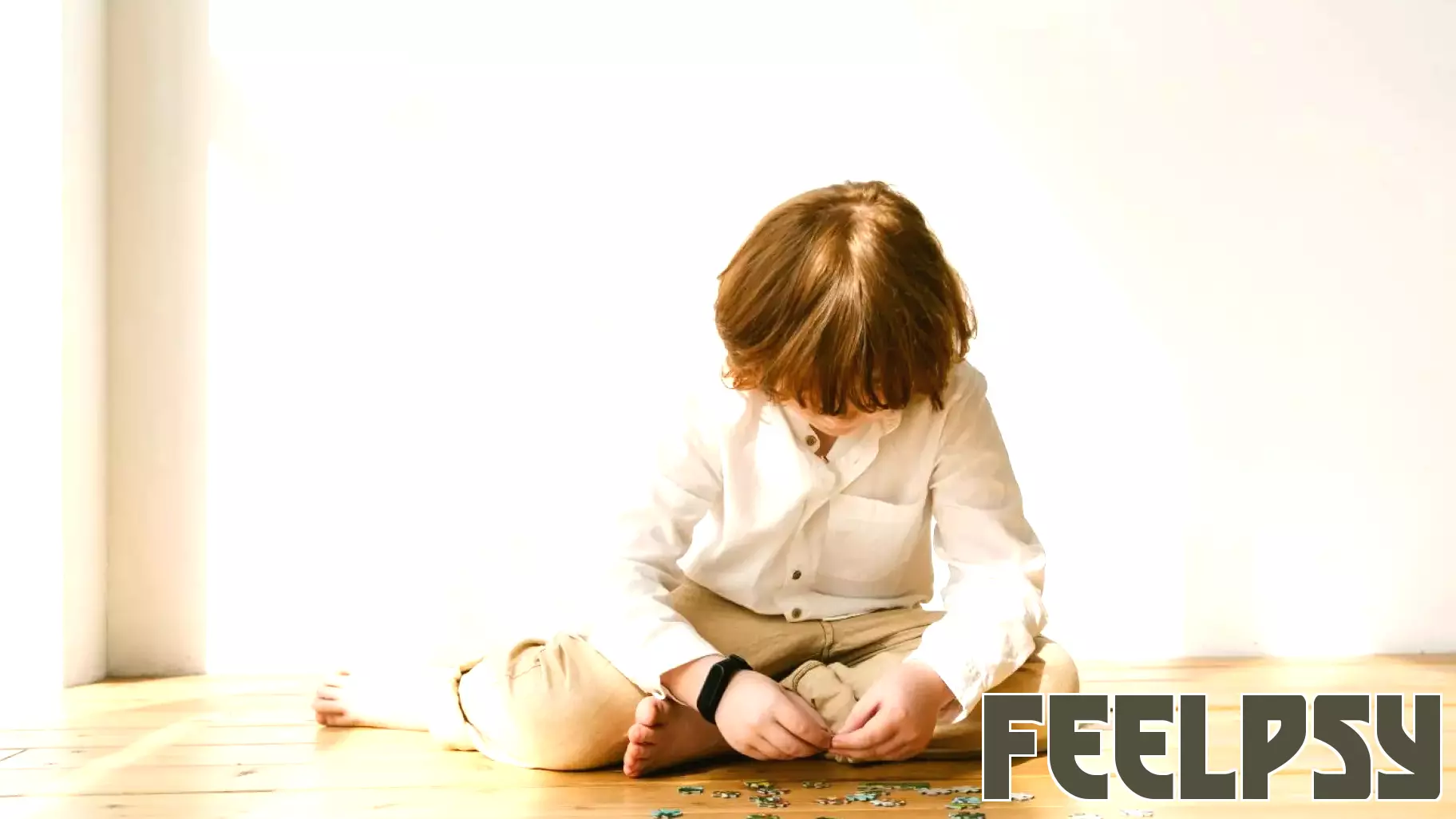
Recent discussions have highlighted that the causes of autism are well-established, with a significant portion of the rise in diagnosed cases attributed to evolving definitions rather than an actual increase in incidence. Historically, the understanding of autism has transformed, reflecting advancements in research and a broader recognition of the spectrum's complexity.
As societal awareness grows, so does the ability to identify autism in individuals who may have previously gone undiagnosed. This shift has led to more inclusive definitions that encompass a wider range of behaviors and characteristics associated with autism. Consequently, many experts argue that the apparent surge in autism diagnoses is not indicative of a true increase in prevalence but rather a reflection of improved diagnostic criteria and heightened awareness among healthcare professionals and the public.
As research continues to evolve, it remains crucial to differentiate between the realities of autism's causes and the social changes influencing its diagnosis. Understanding these factors can help foster a more informed dialogue about autism and support for those on the spectrum.
MORE NEWS

October 5, 2026 - 22:02
Why Children Build Secret Hiding Places at HomeA blanket over two chairs. A space behind the sofa. A gap at the back of a wardrobe. Most parents have watched a child disappear into one of these improvised dens, sometimes for hours at a time....

October 5, 2026 - 09:48
Study Links Unequal Parenting to Internet Addiction in Chinese TeensA new study has found that adolescents who believe their parents treat them differently from their siblings may face a higher risk of internet addiction. The research, conducted among Chinese...

October 4, 2026 - 19:25
What Yoga Can Teach Us About Listening to OurselvesMany people step onto a yoga mat expecting a workout. They find something else instead. Between the postures and the breath, a quieter experience often appears. Practitioners describe it as a...

October 4, 2026 - 06:15
Psychology says people who let these 6 things go unanswered tend to be calmer than the people who respond to everythingStaying calm in a noisy world often looks like doing nothing. Psychology suggests it is actually a skill. People who remain steady under pressure tend to share one habit: they choose not to answer...