The Rise of the Cognitive Fingerprint in an Age of AI Answers
June 23, 2026 - 23:25
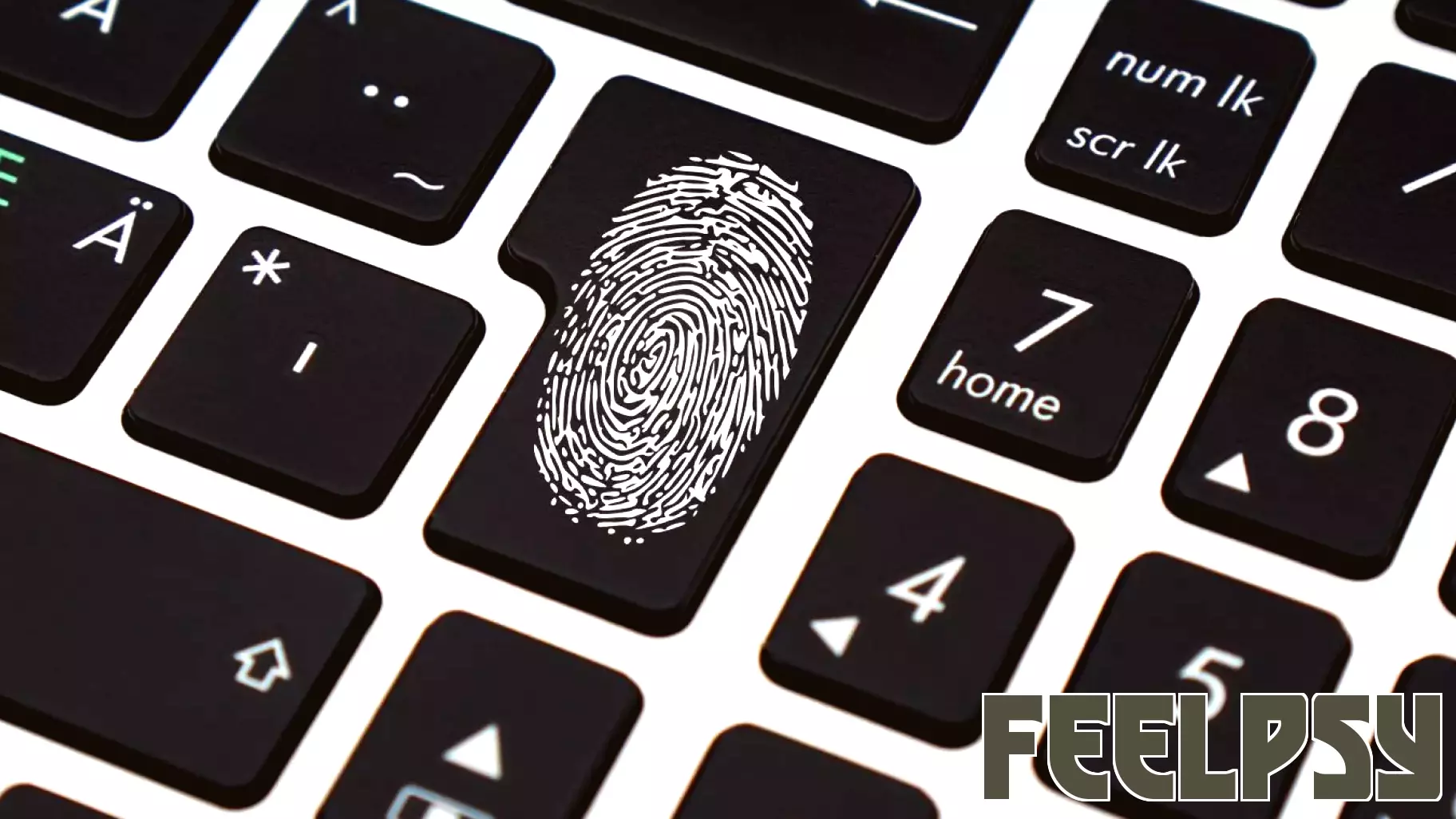
As artificial intelligence floods the internet with instant answers, a new kind of personal signature is emerging: the cognitive fingerprint. Unlike a physical fingerprint or a password, this is the unique pattern of how a person thinks, questions, and reasons. In a world where anyone can ask an AI for a polished response, the real evidence of original thought may no longer be the answer itself, but the trail of mental steps that led to it.
Researchers and digital forensics experts are beginning to study how individuals leave subtle markers in their writing, problem-solving, and even in the way they reject or refine AI-generated suggestions. These markers include habitual phrasing, logical leaps, emotional tone, and the specific kinds of errors a person makes. As AI tools become better at mimicking human output, distinguishing between a machine-generated answer and a human one becomes harder. But the cognitive fingerprint is harder to fake because it is built from a lifetime of neural wiring.
This shift has implications for education, intellectual property, and even legal evidence. Teachers may soon look not just at the final essay but at the process of edits and questions a student left behind. In court, a person's cognitive fingerprint could be used to verify authorship or intent. Meanwhile, companies are exploring ways to embed these fingerprints into digital identities, making them a new layer of security. As answers become cheap and abundant, the real value may lie in the invisible, unrepeatable way each of us arrives at them.
MORE NEWS
September 21, 2026 - 21:37
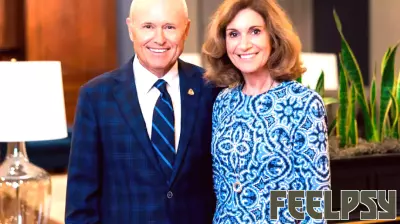
Rothfuss family gives $10 million to UK, psychology department to bear family nameThe University of Kentucky will rename its Department of Psychology following a $10 million donation from Rick and Cathie Rothfuss. The contribution stands as one of the largest single gifts ever...

September 21, 2026 - 14:25
Psychology says finding life’s purpose requires active engagement, trial and error, and evaluation of expeThe search for meaning in life is not a passive discovery but an ongoing process shaped by action, experimentation, and honest self review. As society changes, people increasingly look for...

September 20, 2026 - 23:30
Moral Leadership in the Military and the Psychological Health of Service MembersIt has recently been reported that President Trump and Secretary of War Hegseth disparaged the mental health concerns, including suicide attempts, expressed by the sailors serving aboard the USS...
September 20, 2026 - 06:52
Exposure to conspiratorial narratives about governments and corporations reduced perceived distributive justice — merit, equality, and need — in experiments in the U.S. and China, with institutional distrust as the mediating pathwayNew research reveals that believing in conspiracy theories directly reduces people`s faith in societal fairness, eroding the perception that resources are distributed based on merit, equality, or...