The Psychology Behind Why Five Guys Gives You So Many Extra Fries
June 24, 2026 - 12:27
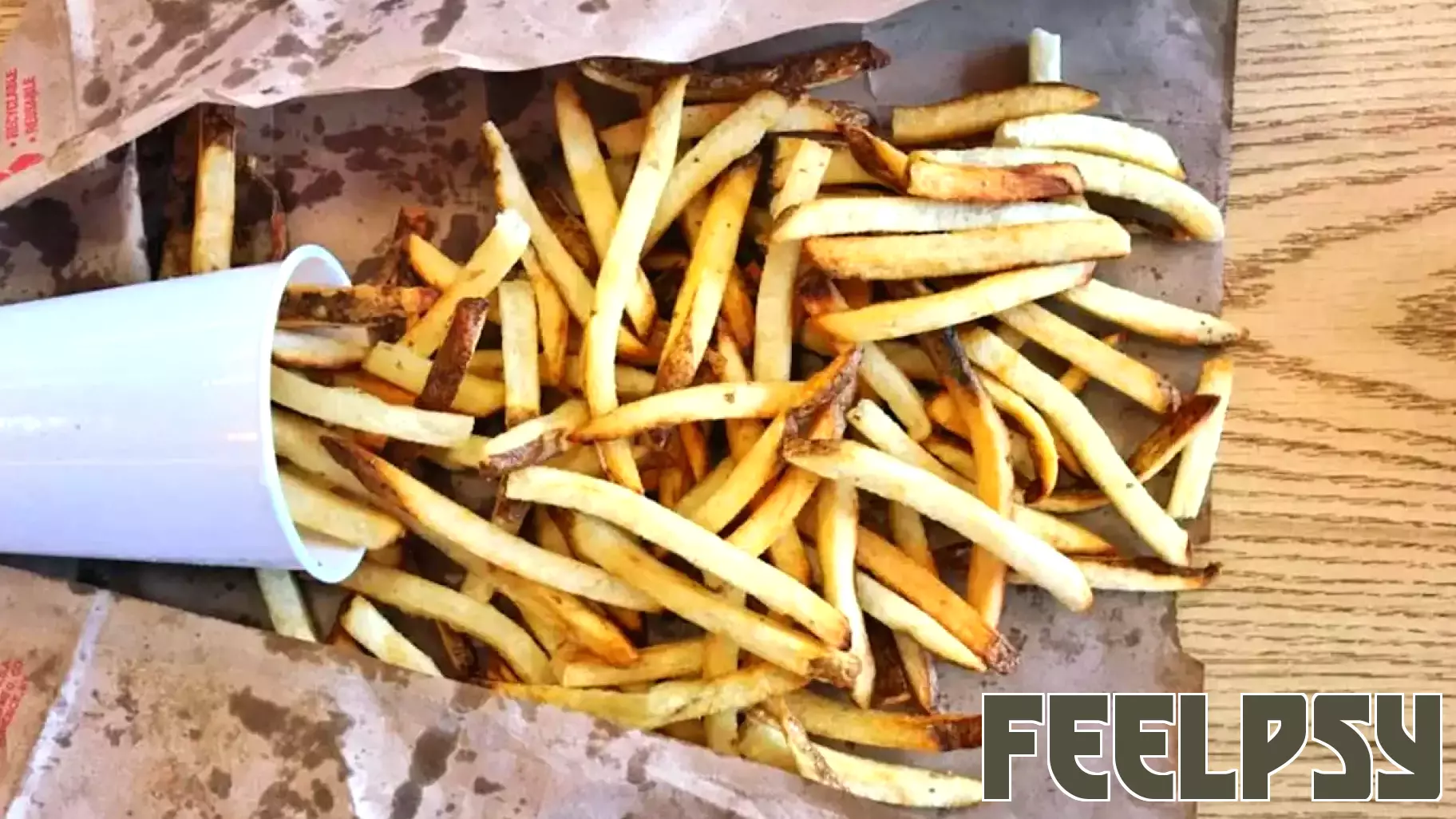
Anyone who has ordered from Five Guys knows the routine. You order a regular burger, and when the cashier hands over the bag, it feels suspiciously heavy. You peek inside and find a mountain of fries spilling over the top of the cup, with a generous handful dumped directly into the bag itself. It feels like a happy accident, a random act of generosity from a fast-food chain. But according to behavioral experts, there is nothing accidental about it. The extra fries are a carefully calculated psychological move designed to keep you coming back.
The strategy hinges on a concept known as the "reciprocity principle." When a business gives you something unexpected, your brain feels a subtle social obligation to return the favor. In this case, the favor is your loyalty and a positive memory. You do not just remember the taste of the burger. You remember the feeling of getting a bonus. That feeling of getting more than you paid for triggers a small dopamine release, which makes the entire experience feel like a win.
the overflowing fries serve as a powerful visual cue. A full bag looks like abundance. It signals that the company is generous and not stingy with its ingredients. This perception of value is far more important than the actual cost of the potatoes. By giving you a few extra cents worth of fries, Five Guys creates a brand image of being a place that treats you well. It is a cheap form of advertising that travels through word of mouth. You tell your friends about the extra fries, and they go to see for themselves. The entire system is built on making you feel like you have outsmarted the system, when in reality, the system is designed to make you feel exactly that way.
MORE NEWS

September 23, 2026 - 04:02
Why the Fed Needs to Manage Expectations as Much as Interest RatesIf the Federal Reserve really wants to control inflation, it first needs to control people`s expectations. Central bankers can adjust interest rates and tweak balance sheets, but those tools only...

September 22, 2026 - 07:04
Psychology says building true self-confidence in life has a lot to do with how you take care of your physiConfidence shapes how people move through the world, affecting decisions at work, relationships, and personal goals. While many assume self-assurance comes from achievements or praise, psychology...
September 21, 2026 - 21:37
Rothfuss family gives $10 million to UK, psychology department to bear family nameThe University of Kentucky will rename its Department of Psychology following a $10 million donation from Rick and Cathie Rothfuss. The contribution stands as one of the largest single gifts ever...

September 21, 2026 - 14:25
Psychology says finding life’s purpose requires active engagement, trial and error, and evaluation of expeThe search for meaning in life is not a passive discovery but an ongoing process shaped by action, experimentation, and honest self review. As society changes, people increasingly look for...