The Importance of Helping Children Identify Their Emotions
September 4, 2025 - 01:23

Helping children name their emotions can have profound effects on their behavior and overall development. When children learn to recognize and articulate their feelings, they gain valuable tools for emotional regulation. This practice not only aids in reducing tantrums and outbursts but also fosters a sense of self-awareness and confidence.
By encouraging children to express what they are feeling, parents can create a nurturing environment where emotions are validated. This approach helps children understand that it is normal to experience a wide range of feelings, from joy and excitement to sadness and frustration. As they learn to identify their emotions, children become better equipped to navigate social interactions and build healthy relationships.
Moreover, naming emotions can enhance a child's self-esteem. When children feel understood and supported, they are more likely to develop a positive self-image. This foundational skill can lead to improved mental health and resilience as they grow, making it an essential strategy for effective parenting.
MORE NEWS

October 17, 2026 - 01:07
Study Finds Sensitivity Trait May Not Intensify All ExperiencesEnvironmental sensitivity may be a misleading name for a personality trait that appears to have less to do with how people respond to their physical environments and more to do with how they are...

October 16, 2026 - 14:00
The Psychology Behind Why Effort Feels Worth ItWhy does effort feel worth it to some people and too costly to others? A UNSW-led research project is investigating what motivates us to persist, and the answers could reshape how we think about...

October 15, 2026 - 18:58
Who is Megyn Kelly, really? The confusing psychology of a woman at war with womenMegyn Kelly has built a reputation on saying one thing and then doing another, often within the same news cycle. This week offered another example. She went after Karoline Leavitt, the new White...
October 15, 2026 - 01:21
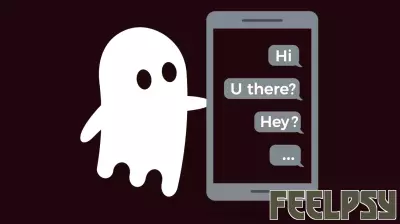
Ghosting Isn't Always Guilt-Free for the One Who Walks AwayBeing ghosted hurts. The silence, the unanswered messages, the sudden disappearance of someone who once seemed invested. It is easy to assume the person on the other side feels nothing at all. But...