Psychology says people who keep their social circle small often equate closeness with risk
March 5, 2026 - 00:08
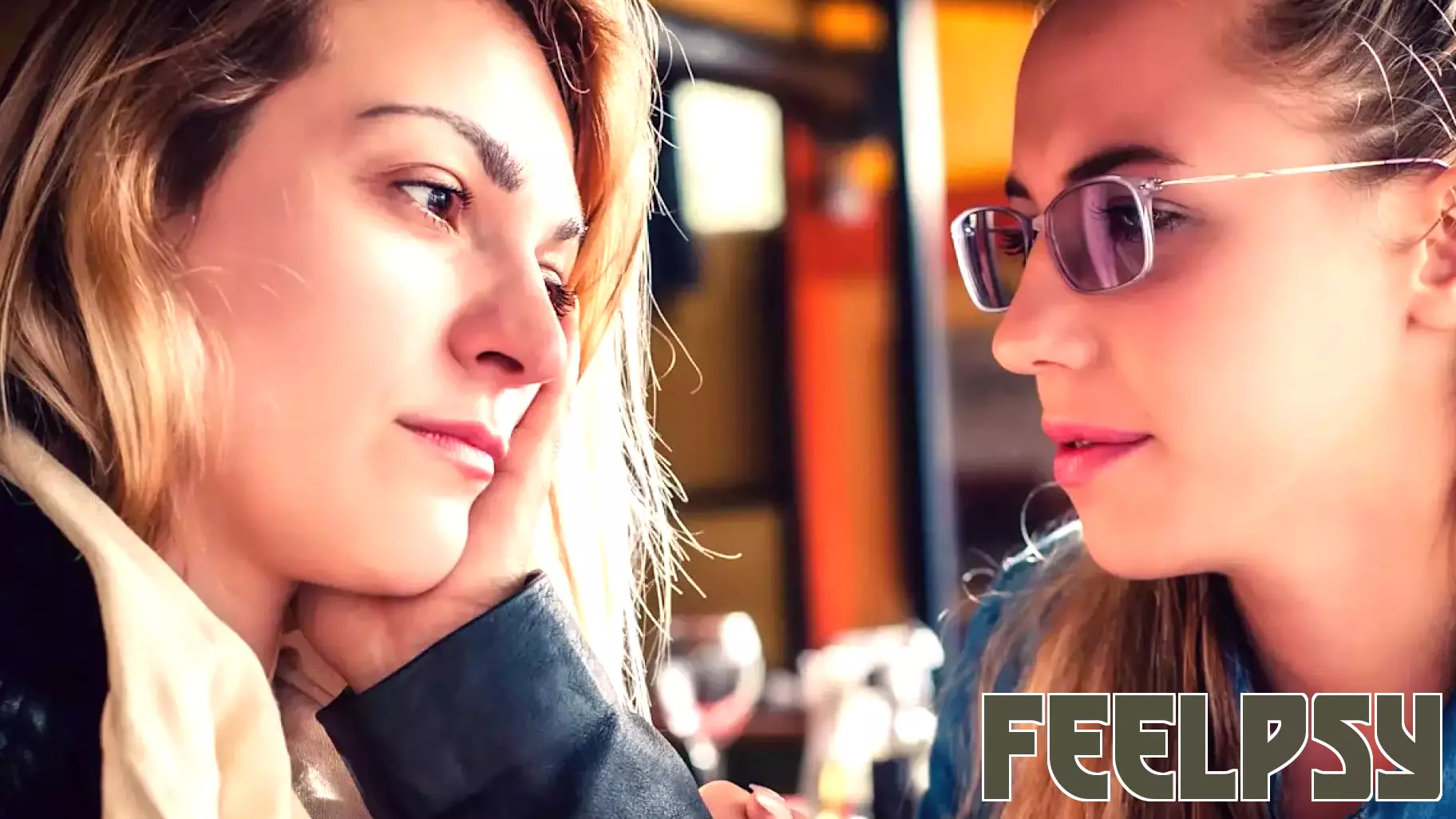
New psychological insights suggest that for many individuals, maintaining a small, tight-knit social circle is less about shyness and more about a profound, often subconscious, equation: intimacy equals vulnerability. This perspective frames emotional closeness not just as a source of support, but as a significant personal risk.
Experts indicate that people who consciously limit their friendships frequently possess a deep-seated understanding of the weight that genuine connection carries. Each close relationship represents an investment of trust, emotional energy, and the potential for hurt. For them, a sprawling network of acquaintances can feel diffuse and unmanageable, diluting the quality of interaction and increasing the perceived chances of betrayal, disappointment, or exhausting social upkeep.
Consequently, a curated inner circle becomes a strategic choice for emotional safety. It allows for a higher degree of control and predictability, ensuring that the limited emotional capital they spend is invested in relationships deemed truly secure and reciprocal. This selectivity is not necessarily rooted in antisocial sentiment, but in a heightened awareness of the stakes involved in true human connection. They prioritize depth and proven reliability over breadth, building a fortress of trust with very few, carefully chosen gates.
MORE NEWS
October 16, 2026 - 14:00
The Psychology Behind Why Effort Feels Worth ItWhy does effort feel worth it to some people and too costly to others? A UNSW-led research project is investigating what motivates us to persist, and the answers could reshape how we think about...
October 15, 2026 - 18:58
Who is Megyn Kelly, really? The confusing psychology of a woman at war with womenMegyn Kelly has built a reputation on saying one thing and then doing another, often within the same news cycle. This week offered another example. She went after Karoline Leavitt, the new White...
October 15, 2026 - 01:21
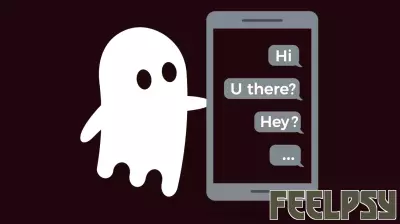
Ghosting Isn't Always Guilt-Free for the One Who Walks AwayBeing ghosted hurts. The silence, the unanswered messages, the sudden disappearance of someone who once seemed invested. It is easy to assume the person on the other side feels nothing at all. But...
October 14, 2026 - 04:32
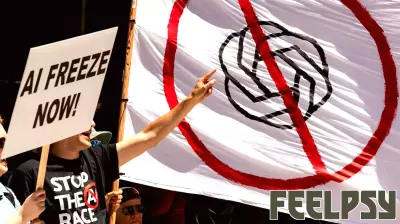
Former OpenAI Safety Lead Warns of Reckless Race After DepartureA former safety leader at OpenAI has gone public with sharp criticism of the artificial intelligence industry, describing a culture where financial pressure and fear push companies to release...