Psychology explains people who love true crime may have less to do with violence than you think, and more
September 9, 2026 - 05:48
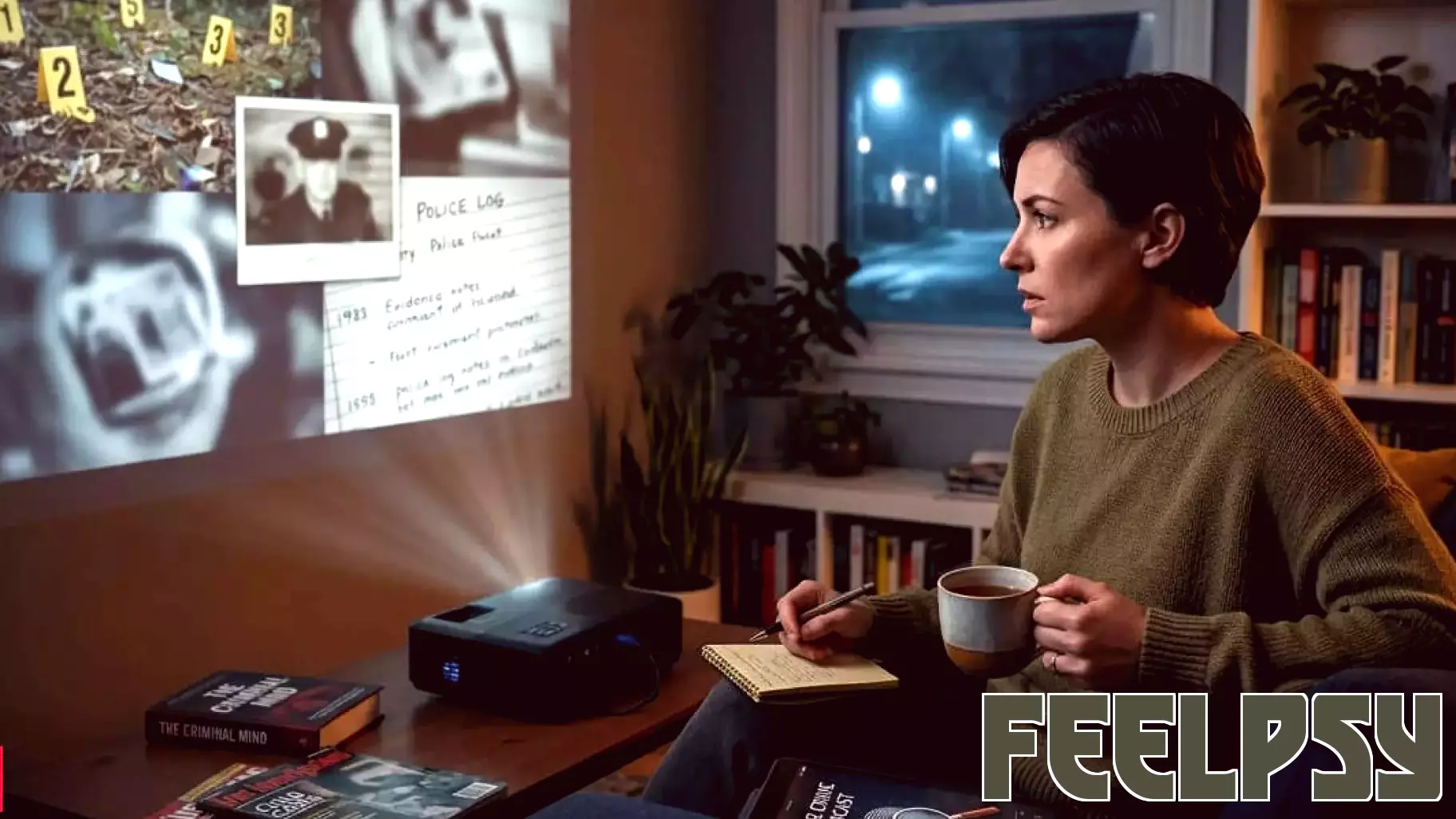
For years, the assumption has been that people who binge true crime documentaries and podcasts are secretly fascinated by bloodshed. But psychologists now suggest the real draw is far less sinister. The appeal, they argue, has more to do with understanding dangerous minds and satisfying a deep-seated morbid curiosity than with any enjoyment of violence itself.
Researchers point to defensive vigilance as a major factor. By consuming stories about kidnappings, serial killers, and cold cases, viewers feel they are learning about potential threats in their environment. This can create a sense of preparedness, even if the scenarios are extreme. In a way, it is a form of rehearsal for danger, which paradoxically makes the world feel more manageable.
Interestingly, fear of crime can actually increase engagement with these stories rather than turn people away. The anxiety is channeled into information gathering. Excitement also plays a role, but it is the excitement of a puzzle being solved or a mystery unfolding, not the thrill of the crime itself. Real events add a layer of gravity that fiction cannot replicate, making the learning feel more urgent and meaningful.
This research challenges the old stereotype. The typical true crime fan is not looking for gore. They are looking for insight, control, and a safe way to confront the darker sides of human nature. The genre, at its core, is less about violence and more about the human need to make sense of the incomprehensible.
MORE NEWS

October 24, 2026 - 07:32
Why Buyers Overpay for Used Cars: The Left-Digit EffectConsumers routinely ignore information when making purchases. They overlook the tax attached to a price, skim past ingredient lists and often fail to process exact numbers with any precision. This...

October 23, 2026 - 18:16
Psychologist Points to New Signs of Neurological Trouble in TrumpA widely cited psychologist and body language expert is raising fresh concerns about President Donald Trump`s mental state after observing his behavior during Wednesday`s rallies. Dr. John Garrison...

October 23, 2026 - 15:01
Psychology says your child bending down to see the world between their legs isn't as random as it looks; here's what it could meanYou may have seen your child bend forward, tuck their head between their legs and look at the room upside down. A familiar face, the living room sofa or a parent standing nearby suddenly becomes...

October 22, 2026 - 18:47
Three Psychology-Backed Ways to Make Your Own LuckA psychologist shares three practical ways to recognize opportunities, overcome setbacks, and put yourself in a better position for success. Luck often feels like something that happens to people...