Nostalgic Beats That Make Us Dance
October 22, 2025 - 19:14
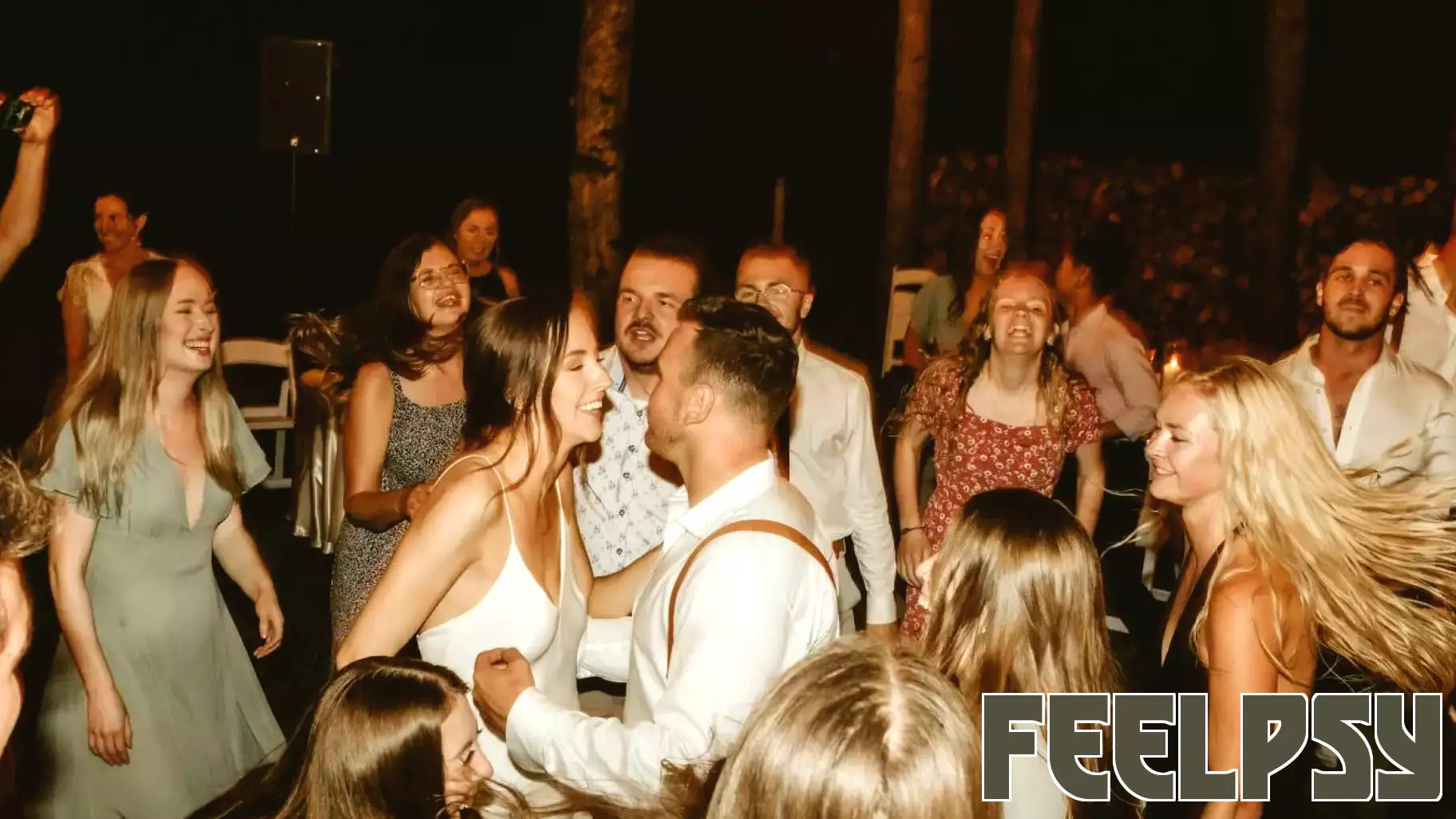
While catchy new tunes can get us tapping our feet and swaying in our seat, it’s nostalgia that truly gets us out on the dance floor. Recent studies show that music from our past has a unique power to evoke memories and emotions, prompting people to reminisce about significant moments in their lives. Whether it's a classic pop hit from the '80s or a soulful ballad from the '90s, these familiar melodies can transport us back to carefree days and unforgettable experiences.
DJs and event planners have taken notice, curating playlists that blend contemporary hits with beloved tracks from yesteryears. This trend not only appeals to a wide range of age groups but also creates an inclusive atmosphere where everyone can connect through shared memories. As parties and gatherings increasingly incorporate these nostalgic elements, it’s clear that the dance floor remains a cherished space for reliving the past while celebrating the present.
MORE NEWS

October 19, 2026 - 02:05
Two Psychologists Mark a Second Bar Mitzvah at 83Two psychologists, both 83 years old, recently celebrated a second bar mitzvah, an event that highlights a friendship and a shared commitment to lifelong learning. The ceremony came decades after...

October 18, 2026 - 12:11
Psychology says you can usually tell someone has exceptional emotional intelligence by these these 7 things they say when they’re annoyedAnnoyance is a universal emotion, but how people express it varies wildly. Some let frustration build until it spills over, while others lash out immediately and regret it later. People with high...

October 17, 2026 - 17:50
Rethinking the Urge to Withdraw Into SilenceWe have all felt the urge to retreat into silence, yet not all of us are ready to face the challenges that pursuing silence entails. The impulse to step back from noise, conversation, and constant...

October 17, 2026 - 01:07
Study Finds Sensitivity Trait May Not Intensify All ExperiencesEnvironmental sensitivity may be a misleading name for a personality trait that appears to have less to do with how people respond to their physical environments and more to do with how they are...