Kant’s Revolution in Human Thought
June 16, 2026 - 19:03
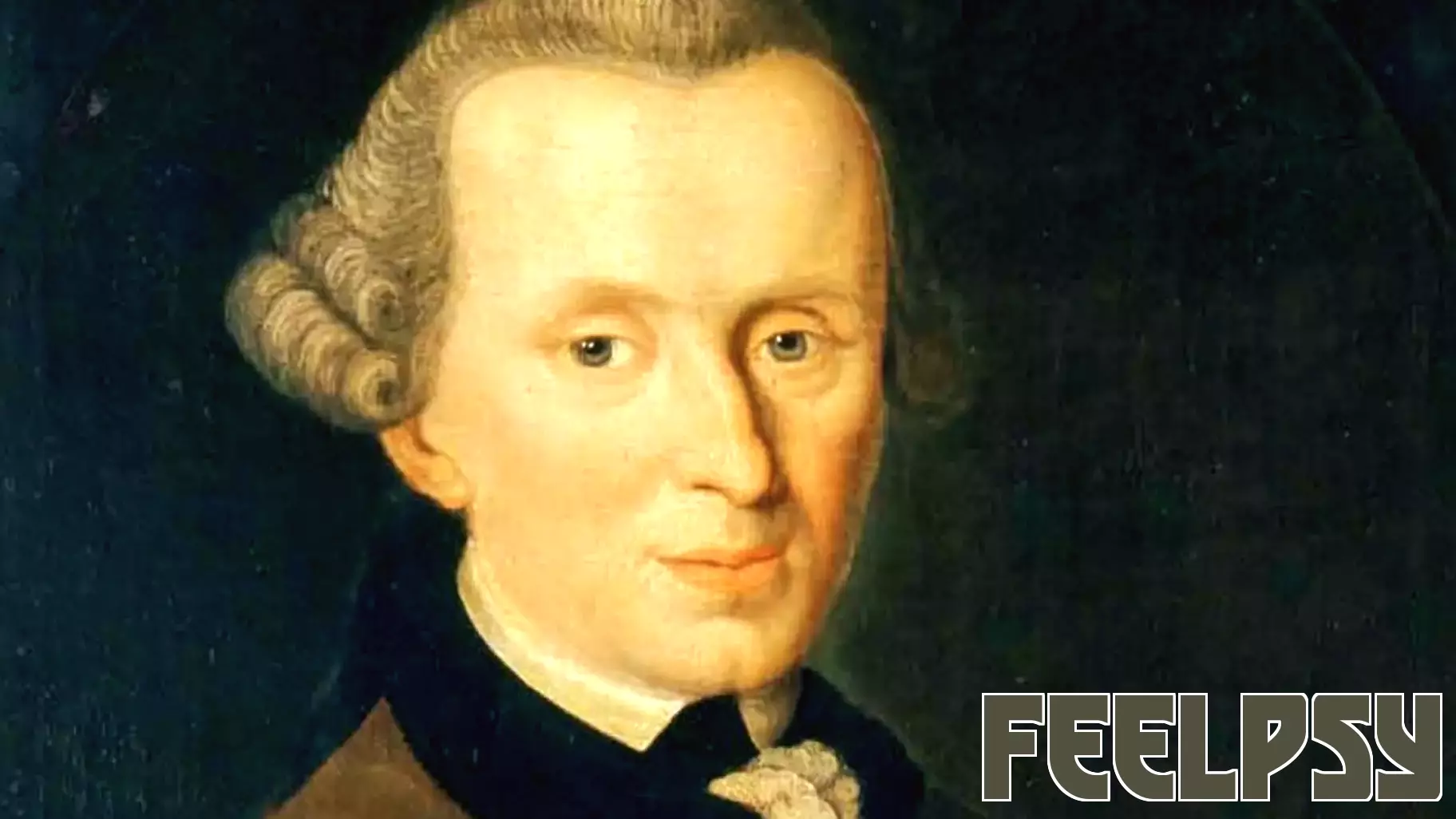
Since the time of Copernicus, no single idea has done more to overturn our understanding of the world than the philosophy of Immanuel Kant. His central claim was simple yet devastating: the human mind does not passively receive reality. Instead, it actively structures our experience of it. This was not a minor adjustment to philosophy. It was a complete inversion of how we think about knowledge itself.
Before Kant, most thinkers assumed that our minds must conform to objects in the world. We see a tree, and the tree exists out there, independent of us. Kant argued the opposite. For him, objects must conform to the structure of our minds. Space and time are not features of the world itself. They are the forms of our intuition, the lenses through which we must perceive anything at all. Likewise, concepts like cause and effect are not discovered in nature. They are rules that our understanding imposes on raw sensory data.
This revolution meant that we can never know things as they are in themselves, what Kant called the "noumenal" world. We only know things as they appear to us, the "phenomenal" world. This was a humbling blow. It set a boundary on science and reason, showing that they describe the world of experience, not ultimate reality. Yet it also freed human freedom and morality from the chains of strict determinism. If space, time, and causality are only how we see the world, then perhaps we are free in a deeper, unknowable realm.
Kant's work reshaped philosophy, psychology, and even the sciences. It forced us to ask not just what we know, but what it means to know at all.
MORE NEWS

September 14, 2026 - 20:07
Friendship budgets, Jungian psychology and years of Dortmund DIY shows - behind the scenes of "Chrysopoeia" by MORAL BOMBINGMoral Bombing released `Chrysopoeia` on August 13, 2026, through Gizzmoix Records, Spleencore Records, and Villus Records. The album is a unique blend of personal experiences, deep psychological...

September 14, 2026 - 02:24
Why Names Slip Away and What It Says About Your MemoryIt happens to almost everyone. You meet someone new, chat for a few minutes, and then the name vanishes. The face stays familiar, the conversation remains clear, but the name is gone. Many people...

September 13, 2026 - 03:43
The Cousin Closest in Age Shaped How You Measured YourselfGrowing up, the cousin nearest your age often felt less like a relative and more like a rival, an ally, or both at once. Psychologists suggest this relationship carried a weight that few families...

September 12, 2026 - 10:43
Psychology says your willpower beliefs determine if you choose hard tasks: 2026 study shows nonlimited minNew research suggests that what you believe about willpower can directly influence the kinds of goals you set for yourself. The findings, published in 2026, point to a clear pattern: people who see...