Journey to Robbers Cave
July 20, 2026 - 07:04
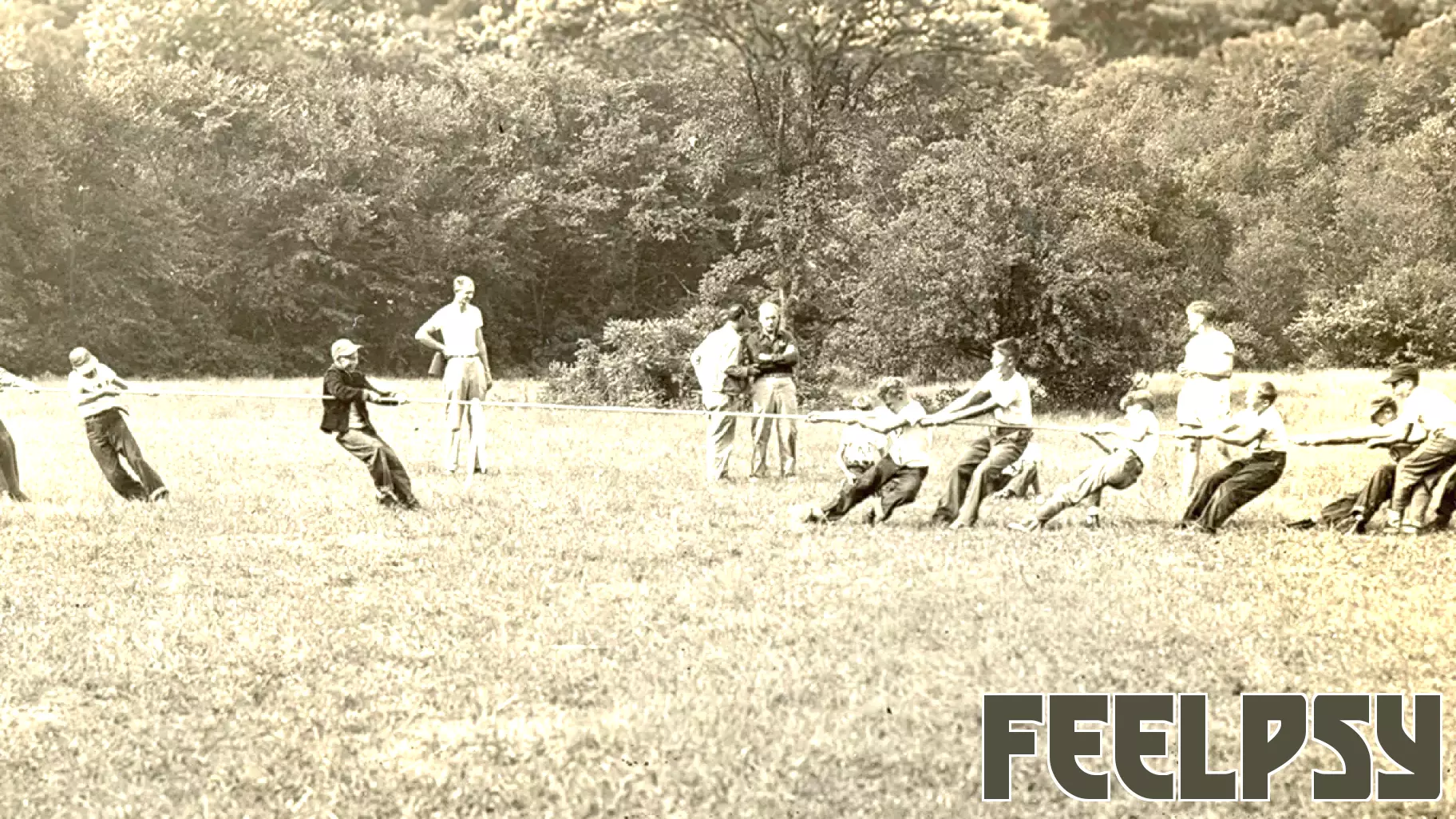
In the aftermath of World War II, as the world grappled with the horrors of global conflict, a team of psychologists believed they could find the key to peace. Their laboratory was not a sterile university room, but a boys summer camp in Oklahoma. Their subjects were 11- and 12-year-old children. Their method was to deliberately turn those children against each other.
This was the Robbers Cave experiment, one of the most famous and ethically questionable studies in psychology. The researchers divided the boys into two groups, keeping them separate at first. They encouraged competition through games like tug-of-war and baseball. It did not take long for the boys to develop strong in-group loyalty and outright hostility toward the other group. They began calling each other names, raiding each other's cabins, and burning each other's flags. The experiment had successfully created conflict from scratch.
The next phase was the real test. How do you restore peace? Simple contact between the groups did not work. The boys just used the time to trade insults. The solution came in the form of shared problems. The researchers staged emergencies, like a broken water supply or a stuck truck. To fix these problems, both groups had to work together. Over time, the hostility faded, and friendships formed across group lines.
The experiment is still taught today as a powerful lesson in how easily conflict can be manufactured and how cooperation on shared goals can break it down. But it also raises uncomfortable questions about manipulating children for science. The boys never knew they were part of a study. The researchers had created real anger and fear, all in the name of understanding peace. The legacy of Robbers Cave is a mix of brilliant insight and deep ethical controversy.
MORE NEWS

October 19, 2026 - 02:05
Two Psychologists Mark a Second Bar Mitzvah at 83Two psychologists, both 83 years old, recently celebrated a second bar mitzvah, an event that highlights a friendship and a shared commitment to lifelong learning. The ceremony came decades after...

October 18, 2026 - 12:11
Psychology says you can usually tell someone has exceptional emotional intelligence by these these 7 things they say when they’re annoyedAnnoyance is a universal emotion, but how people express it varies wildly. Some let frustration build until it spills over, while others lash out immediately and regret it later. People with high...

October 17, 2026 - 17:50
Rethinking the Urge to Withdraw Into SilenceWe have all felt the urge to retreat into silence, yet not all of us are ready to face the challenges that pursuing silence entails. The impulse to step back from noise, conversation, and constant...

October 17, 2026 - 01:07
Study Finds Sensitivity Trait May Not Intensify All ExperiencesEnvironmental sensitivity may be a misleading name for a personality trait that appears to have less to do with how people respond to their physical environments and more to do with how they are...