Is Sharing Your Location With a Partner Actually Healthy? Here’s What a Psychologist Says.
September 5, 2026 - 02:41
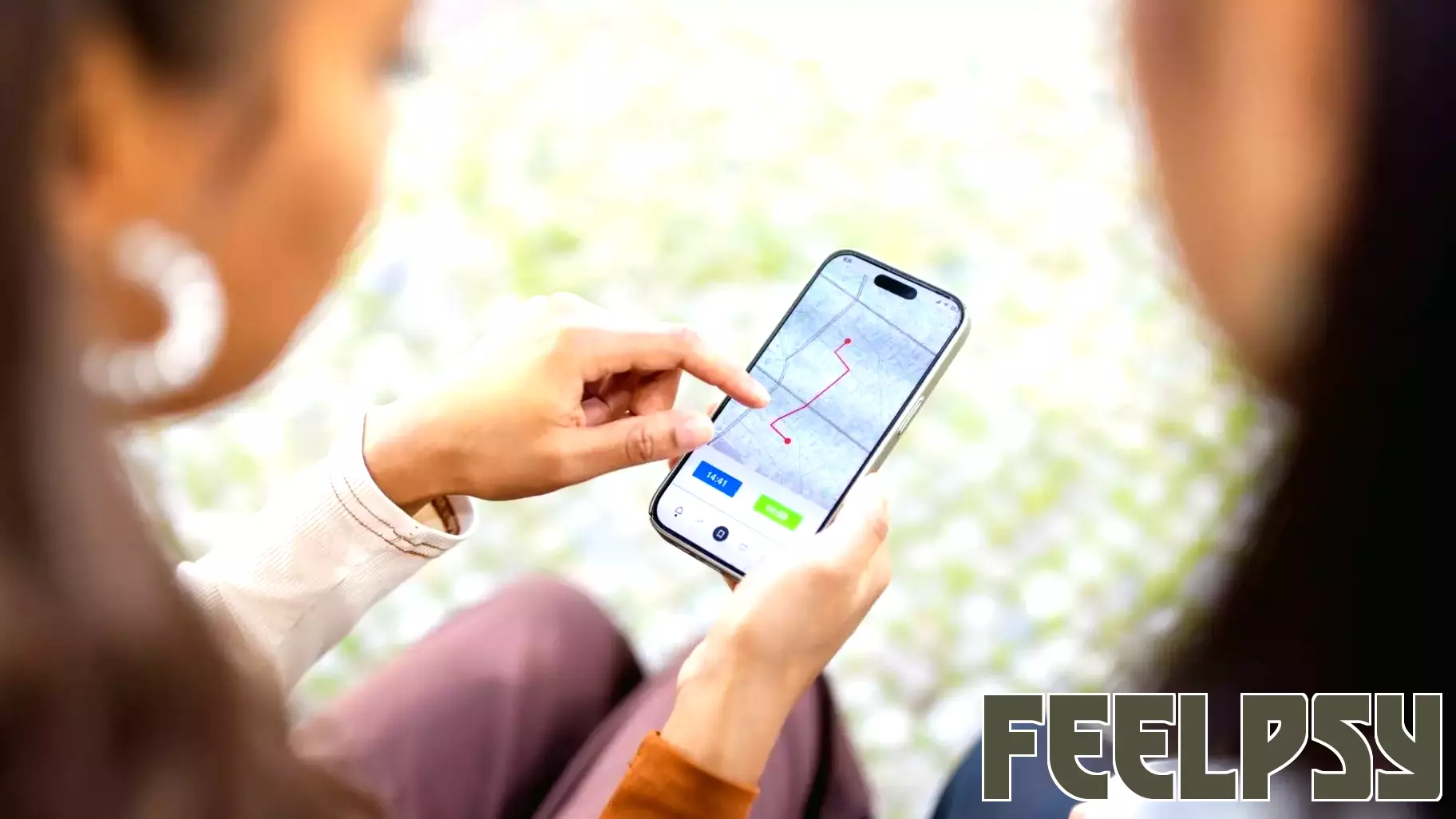
Sharing your live location with a significant other has become as routine as sending a good morning text. Apps like Find My and WhatsApp make it effortless to let someone know where you are at all times. For many couples, it is a practical tool for coordinating pickups or checking if a partner has arrived home safely. But psychologists are increasingly asking a simple question: does constant visibility actually build trust, or does it quietly erode it?
The answer depends heavily on the motivation behind the sharing. When used for convenience or genuine safety, location sharing can reduce anxiety and foster a sense of teamwork. A partner traveling late at night or running in an unfamiliar area can feel protected knowing someone is watching their route. In long-distance relationships, it can create a feeling of closeness, as if you are still part of each other's daily rhythm.
However, problems arise when the feature becomes a substitute for communication or a tool for surveillance. If one partner checks the other's location obsessively, or if sharing is demanded rather than offered, the dynamic shifts from trust to control. Compulsive checking often signals deeper insecurities. Instead of resolving jealousy, it feeds it. You might see your partner at a bar they did not mention, or stuck in traffic longer than expected, and your mind starts inventing stories. The constant access to data does not calm the anxious brain; it gives it more material to work with.
Psychologists point out that healthy relationships are built on voluntary transparency, not enforced tracking. A good test is to ask yourself how you feel when you share your location. If it feels like a relief, it is probably fine. If it feels like you are being watched, or if you feel the urge to check on them constantly, it may be time to turn it off. The healthiest couples use location sharing as a convenience, not as a security system for the relationship. Trust, after all, is not about knowing where someone is every second. It is about feeling secure even when you do not.
MORE NEWS

October 19, 2026 - 23:00
Horror Fandom and Resilience in Lebanon: When Real Danger Undermines Fiction's Protective RoleWhen danger is real and constant, fictional frights may lose their protective edge. Among Lebanese students facing war and economic crisis, horror fandom was unrelated to resilience. A study...

October 19, 2026 - 02:05
Two Psychologists Mark a Second Bar Mitzvah at 83Two psychologists, both 83 years old, recently celebrated a second bar mitzvah, an event that highlights a friendship and a shared commitment to lifelong learning. The ceremony came decades after...

October 18, 2026 - 12:11
Psychology says you can usually tell someone has exceptional emotional intelligence by these these 7 things they say when they’re annoyedAnnoyance is a universal emotion, but how people express it varies wildly. Some let frustration build until it spills over, while others lash out immediately and regret it later. People with high...

October 17, 2026 - 17:50
Rethinking the Urge to Withdraw Into SilenceWe have all felt the urge to retreat into silence, yet not all of us are ready to face the challenges that pursuing silence entails. The impulse to step back from noise, conversation, and constant...