Disengagement from Politics: The Impact of Fear and Division on American Society
December 20, 2024 - 05:02
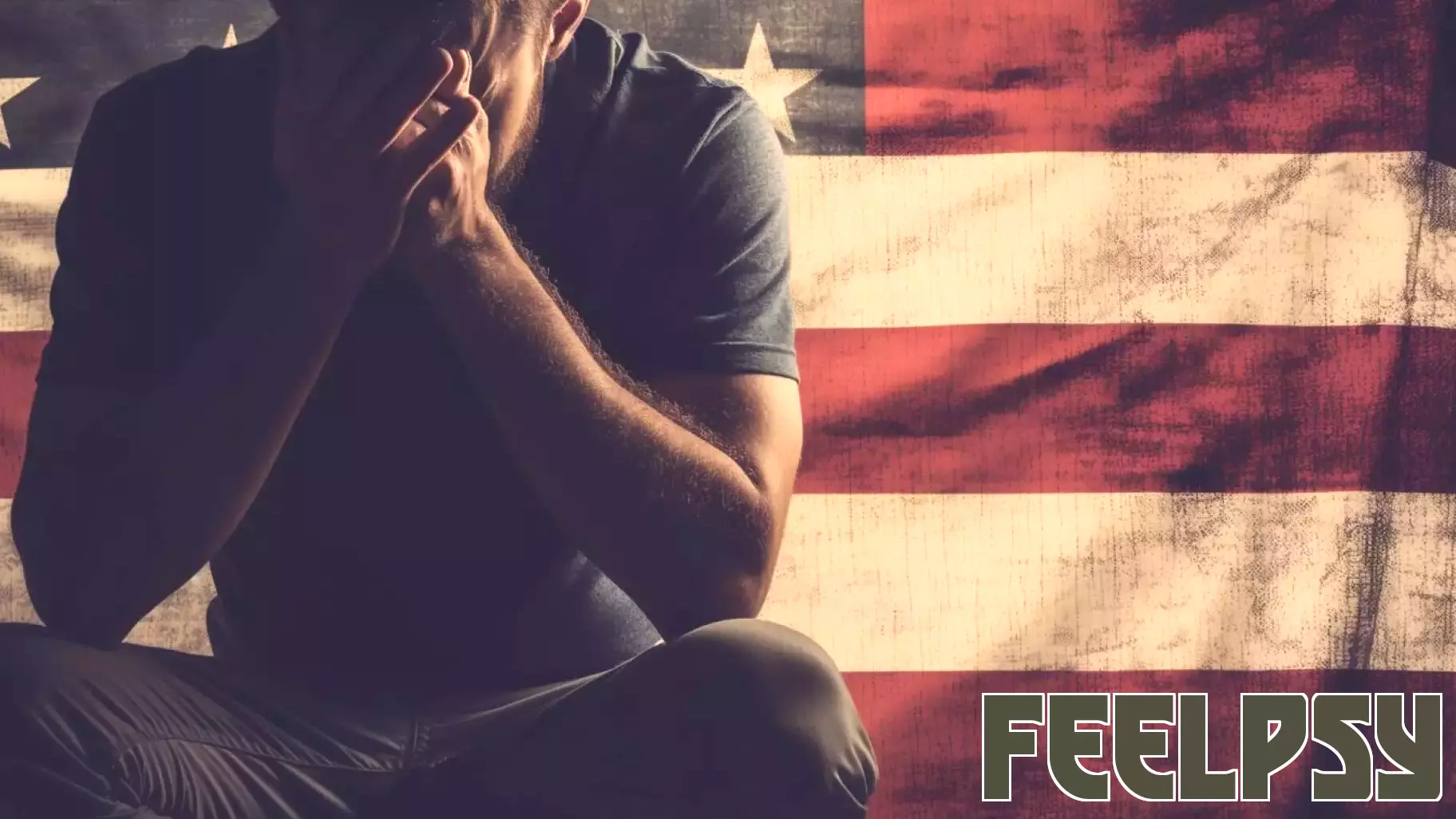
In recent years, many Americans have become increasingly disenchanted with politics, a trend driven by a variety of factors. Fear-based news reporting has created a sense of anxiety and hopelessness, leading individuals to withdraw from political discourse. The digital bubble, where people are exposed only to viewpoints that reinforce their own, has further exacerbated this divide. This "us vs. them" mentality fosters an environment where constructive dialogue is nearly impossible, leaving citizens feeling alienated from the political process.
Additionally, the concept of learned helplessness has emerged, where individuals feel powerless to effect change. This mindset has led many to believe that their participation in politics is futile, causing them to disengage entirely. As a result, voter turnout has declined, and civic engagement has diminished. This disengagement poses significant risks to the democratic process, as a politically apathetic populace may struggle to hold leaders accountable and advocate for their interests. The challenge now lies in finding ways to re-engage citizens in meaningful political dialogue and action.
MORE NEWS
September 21, 2026 - 21:37
Rothfuss family gives $10 million to UK, psychology department to bear family nameThe University of Kentucky will rename its Department of Psychology following a $10 million donation from Rick and Cathie Rothfuss. The contribution stands as one of the largest single gifts ever...

September 21, 2026 - 14:25
Psychology says finding life’s purpose requires active engagement, trial and error, and evaluation of expeThe search for meaning in life is not a passive discovery but an ongoing process shaped by action, experimentation, and honest self review. As society changes, people increasingly look for...

September 20, 2026 - 23:30
Moral Leadership in the Military and the Psychological Health of Service MembersIt has recently been reported that President Trump and Secretary of War Hegseth disparaged the mental health concerns, including suicide attempts, expressed by the sailors serving aboard the USS...
September 20, 2026 - 06:52
Exposure to conspiratorial narratives about governments and corporations reduced perceived distributive justice — merit, equality, and need — in experiments in the U.S. and China, with institutional distrust as the mediating pathwayNew research reveals that believing in conspiracy theories directly reduces people`s faith in societal fairness, eroding the perception that resources are distributed based on merit, equality, or...