Can Martial Arts Training Make You a Better Person?
April 6, 2026 - 04:15

The question of whether martial arts forge better individuals has been debated for centuries. Modern perspectives suggest that traditional dojo training offers profound lessons that extend far beyond physical combat, potentially shaping our very capacity for empathy and considerate social interaction.
At its core, traditional martial arts is an embodied practice. It requires partners to work in close proximity, learning to read subtle cues in body language, breath, and intention. This physical dialogue fosters a deep, non-verbal understanding of another person's state and energy. Practitioners learn to control their own power with precision, developing a heightened awareness of the impact—and potential harm—of their actions on others. This translates directly to social awareness; being mindful of how one's words and presence affect those around them.
Furthermore, the philosophical tenets woven into disciplines like Karate, Judo, or Aikido emphasize respect, humility, and harmony. The ritual of bowing, the deference to seniors and instructors, and the emphasis on mutual welfare in practice reinforce a framework of consideration. The discipline required to master techniques builds patience and perseverance, virtues that improve personal resilience and interactions.
Ultimately, the dojo becomes a microcosm of society. The empathy developed by responsibly wielding power and attentively engaging with a training partner can indeed extend outward. It cultivates a mindset where conflict is approached with calmness, where others are treated with respect, and where self-mastery is seen as the first step toward positive social contribution. The true black belt may be measured not in broken boards, but in built bridges.
MORE NEWS

October 3, 2026 - 17:54
How a New Film Shows the Legal System Failing Trauma SurvivorsA new film starring Cynthia Erivo offers a sharp look at the way sexual assault cases move through the courts, and at the painful gap between what trauma actually does to a person and what the law...
October 3, 2026 - 11:35
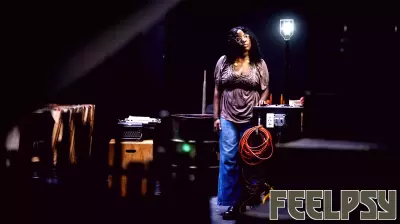
Using Theater and Psychology to Help Homeless YouthAt Larkin Street Youth Services, a Northeastern psychology and theater student used theater workshops to support homeless youth. The student combined two fields that often sit apart. Psychology...

October 2, 2026 - 22:21
The AI Chatbots That Tech Companies Are Aggressively Pushing to Billions of Users Appear to Be Causing Serious Psychological Harms, New Research FindsThe aggressive push by technology companies to bring AI chatbots to billions of users may be causing serious psychological damage, according to a new paper. The research argues that extensive use...

October 2, 2026 - 00:49
Understanding the Psychology of Trading DecisionsA recent report sheds light on how psychological factors influence trading decisions. It suggests that investor success is not solely determined by market information but heavily relies on...