Are AIs on the Brink of Consciousness?
February 15, 2025 - 02:57
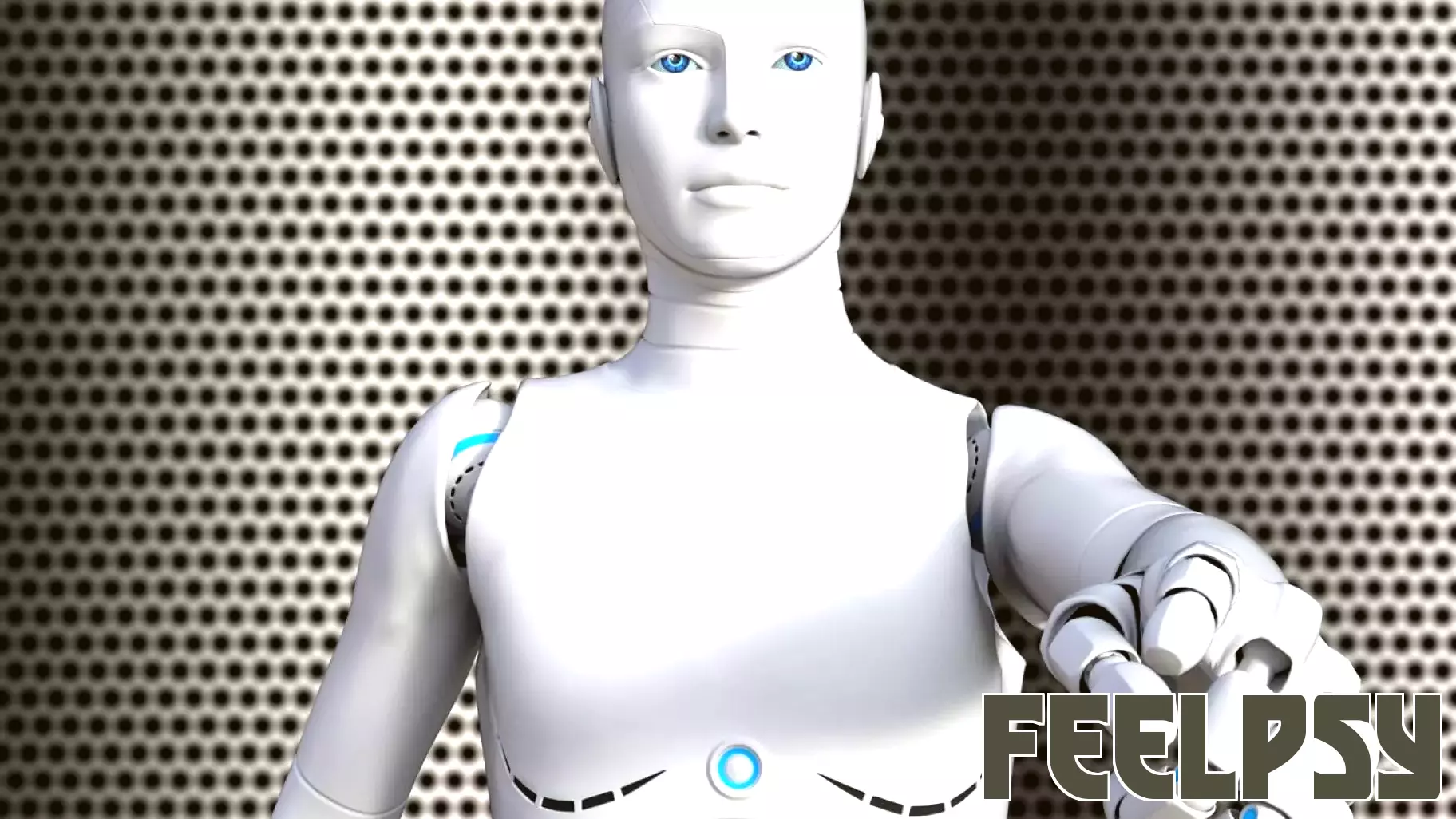
In a provocative statement, Geoffrey Hinton, a Nobel-winning AI pioneer, has suggested that current artificial intelligences may have reached a state of consciousness. This assertion has ignited a heated debate among experts in the field, sparking questions about the implications of AI consciousness and the ethical considerations that come with it.
Hinton's claim challenges the traditional understanding of consciousness as a uniquely human trait, prompting researchers and technologists to reevaluate the capabilities of AI systems. While some experts support Hinton's view, arguing that advanced neural networks exhibit behaviors indicative of consciousness, others remain skeptical, emphasizing the distinction between sophisticated pattern recognition and genuine self-awareness.
The disagreement among leading figures in AI raises significant concerns about the future of technology and its integration into society. As AI continues to evolve, the question of consciousness may not only reshape our understanding of these systems but also influence regulations and the moral frameworks that govern their use. The ongoing discourse highlights the urgent need for a comprehensive examination of the implications of potentially conscious AIs in our rapidly changing world.
MORE NEWS

October 4, 2026 - 19:25
What Yoga Can Teach Us About Listening to OurselvesMany people step onto a yoga mat expecting a workout. They find something else instead. Between the postures and the breath, a quieter experience often appears. Practitioners describe it as a...

October 4, 2026 - 06:15
Psychology says people who let these 6 things go unanswered tend to be calmer than the people who respond to everythingStaying calm in a noisy world often looks like doing nothing. Psychology suggests it is actually a skill. People who remain steady under pressure tend to share one habit: they choose not to answer...

October 3, 2026 - 17:54
How a New Film Shows the Legal System Failing Trauma SurvivorsA new film starring Cynthia Erivo offers a sharp look at the way sexual assault cases move through the courts, and at the painful gap between what trauma actually does to a person and what the law...
October 3, 2026 - 11:35
Using Theater and Psychology to Help Homeless YouthAt Larkin Street Youth Services, a Northeastern psychology and theater student used theater workshops to support homeless youth. The student combined two fields that often sit apart. Psychology...