Why We Need to Talk About Mental Health in Minority Communities
5 July 2026
Let’s get real for a second: mental health is something that affects us all, but not all of us are given the same space to talk about it. Especially when it comes to minority communities, the topic of mental health is often swept under the rug—hidden behind cultural stigma, systemic inequality, and good old-fashioned silence.
But here's the truth—mental health doesn't discriminate. Depression, anxiety, PTSD, and trauma don’t care what color your skin is, how much money you make, or what language you speak at home. And yet, when you zoom in on marginalized groups—Black, Latinx, Asian, Indigenous, LGBTQ+, immigrants—mental health struggles are often more severe and way less addressed.
In this post, we’re going to unpack why talking about mental health—and doing something about it—in minority communities is not just important, but urgent.
Mental Health Is Still a Taboo Topic
Let’s start with the elephant in the room. Mental health is still taboo in many minority communities. You probably know what I’m talking about. It’s that awkward silence at family dinners, the “you’ll be fine” responses to someone opening up, or that infamous line—“we don’t talk about those things.”In a lot of cultures, mental illness is misunderstood. It's often seen as a personal weakness, a spiritual failing, or even something to be ashamed of. That mindset is dangerous because it makes people suffer in silence. Rather than reaching out for help, they bottle things up—or worse, they blame themselves.
And that’s not just heartbreaking—it’s harmful.
Cultural Stigma: The Invisible Wall
Now let's dig into why that silence exists.Culture shapes how we think about mental health. In many minority groups, strength is prized. Emotional vulnerability? Not so much. That "grin and bear it" attitude runs deep. In some cultures, especially ones that have endured generations of hardship—slavery, colonization, displacement—survival has always come first. Mental health? That was a luxury.
But here’s the thing: what helped past generations survive isn’t necessarily helping the current ones thrive.
Then there's the fear of being judged—not just by outsiders, but by your own community. If you've ever felt the weight of cultural expectations, you know it can be suffocating. Admitting you're struggling with your mental health can feel like you're letting everyone down.
And let’s be honest: therapy is often viewed as something "white people do." That alone keeps a lot of folks from seeking help.
Systemic Barriers to Mental Health Care
Even if someone wants help, the system doesn’t always make it easy.Let’s talk facts. Minority communities face significant obstacles when it comes to accessing mental health care. We're talking about:
- Lack of representation: It's hard to open up to a therapist who doesn’t understand your cultural background or lived experience.
- Language barriers: Not everyone can comfortably express complicated feelings in English.
- Financial constraints: Mental health services can be expensive, and for those without insurance or stable income—it’s often out of reach.
- Discrimination in healthcare settings: Many people of color report feeling dismissed or misunderstood by medical professionals, and that distrust runs deep.
It’s a perfect storm of reasons not to get help—yet the need for support couldn’t be greater.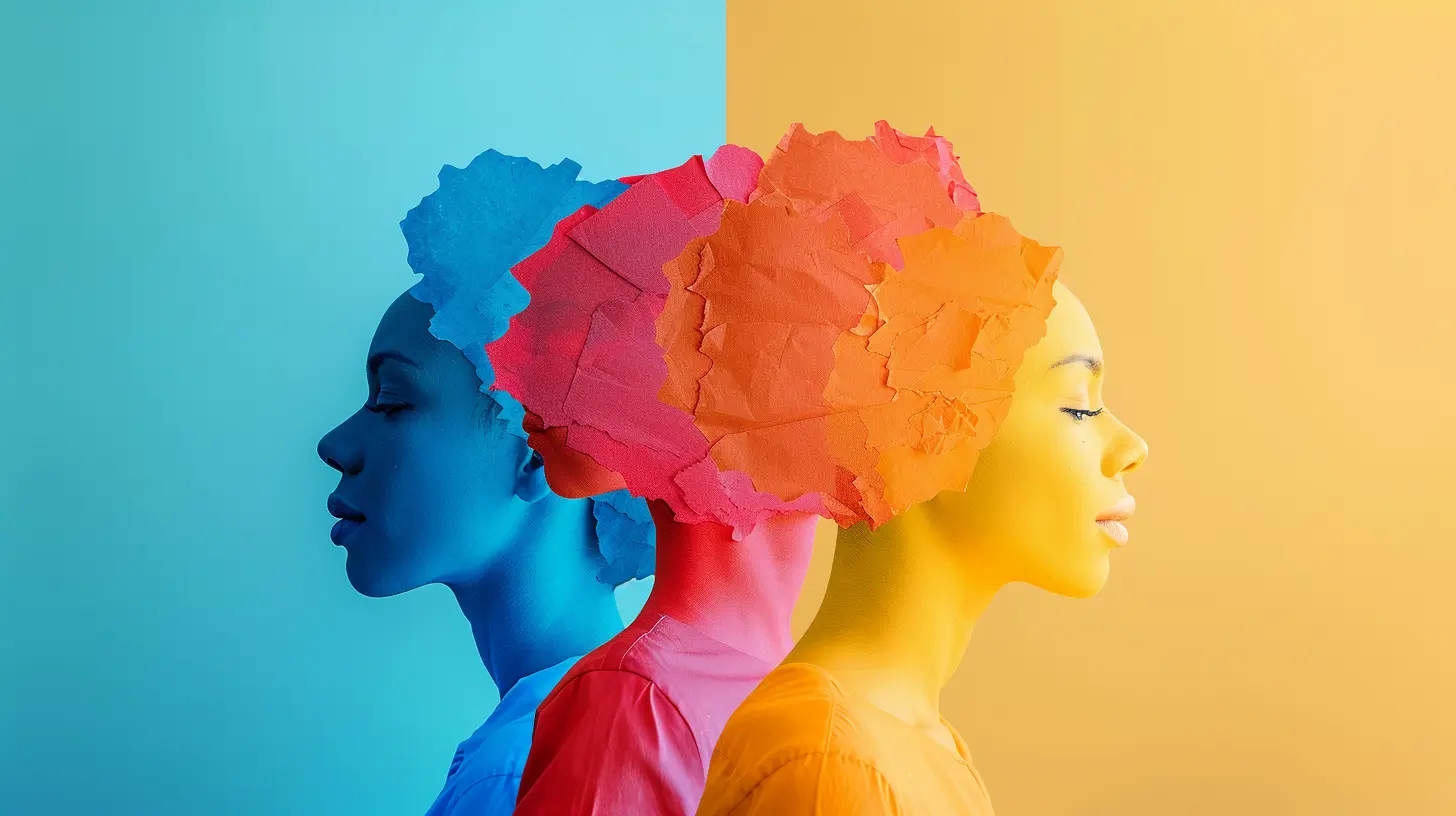
Marginalized Communities Carry Extra Emotional Weight
Let's be clear: living as a minority in society comes with added emotional baggage.Imagine carrying a backpack full of bricks every day—no one can see it, but it wears you down. That’s what it can feel like facing racism, microaggressions, poverty, police brutality, generational trauma, immigration stress, or not being accepted for your sexuality or gender identity.
This emotional load isn’t hypothetical—it shows up in data. Studies show that people in marginalized communities are more likely to experience:
- Higher rates of depression and anxiety
- Greater exposure to trauma
- Increased risk of suicide (especially among LGBTQ+ youth and Indigenous populations)
But because of stigma and systemic barriers, they’re less likely to access care.
It’s a double punch—greater risk, lower support.
Representation and Culturally Competent Therapists Matter
Let’s talk about being seen and heard.When someone sits down in a therapy room, they bring all of themselves. Their culture, their identity, their struggles. Now imagine doing that with someone who doesn’t get where you’re coming from. Who doesn’t even try.
That disconnect is real.
That’s why culturally competent care matters so much. We need more Black therapists, Latinx therapists, Asian therapists, queer therapists—people who "get it." Not just technically, but emotionally. Therapists who understand the weight of code-switching. The stress of being the “only one” in the room. The anxiety of an immigration process. The grief of cultural erasure.
Representation in therapy isn’t just a nice-to-have—it can be life-changing.
Mental Health Education Needs a Makeover
How do you even know when to get help if no one ever taught you what the signs of mental illness look like?Mental health education in schools is often limited—and even more so in underfunded schools serving Black, brown, and immigrant communities. Kids aren’t taught how to name their emotions, let alone manage them. That’s a problem.
Education is power. When people learn that mental illness isn’t a choice but a health issue, the shame starts to fade. When they learn about healthy coping skills, therapy, and the importance of vulnerability—something shifts.
Change starts with knowledge.
The Role of Family and Community
You know the saying: it takes a village.In minority communities, family and community ties are often incredibly strong. That can be a blessing—but when it comes to mental health, it can also complicate things.
Sometimes family is the last place someone feels safe opening up. Maybe your parents don’t believe in mental illness. Maybe your uncle thinks therapy is for "crazy" people. Maybe your aunt tells you to just "pray harder."
But here’s the flip side: family and community can also be powerful vehicles for healing—if we allow space for growth. By opening up conversations at the dinner table, at church, on social media—we start to normalize mental health. And when we normalize it, people stop hiding.
Faith, Spirituality, and Mental Health
Faith is often a cornerstone in many minority households. And it absolutely has a role to play in mental wellness.But there's a difference between praying and suppressing. Faith doesn’t have to replace therapy—it can complement it. Mental health care and spirituality are not mutually exclusive. You can pray and talk to a therapist. You can believe in divine healing and take medication for anxiety.
We’ve got to stop pitting science and spirituality against each other. Healing is holistic.
Social Media: A Double-Edged Sword
Let’s be real—social media gets a bad rap, but it’s also where a lot of us found out what anxiety, depression, or imposter syndrome even was.Minority mental health advocates on TikTok, Instagram, and YouTube are reaching people where they’re at. They're breaking the silence, sharing their stories, and showing that you're not alone. That’s powerful.
But social media is also where comparison, misinformation, and performative activism live. So, take the good, leave the bad, and always verify information with professionals.
What We Can Do—Together
Okay, so now what? How do we move forward?Here are some ways we can start to shift the narrative:
1. Normalize Conversations
Talk about your mental health openly. Share your story. Ask others how they’re really doing.2. Support Culturally Competent Providers
If you're in a position to, support organizations that train and hire mental health professionals from minority backgrounds.3. Advocate for Policy Changes
Push for better funding in mental health services, especially in underserved communities.4. Educate Yourself and Others
Read. Listen. Learn. Then share what you know.5. Practice Compassion
You never know what someone’s carrying. Show up with empathy and an open heart.The Bottom Line
Mental health is health. Period.And until we create a world where everyone—regardless of race, culture, gender, or background—can access mental health care without fear, shame, or judgment, we’ve still got work to do.
Silence breeds suffering. But when we speak up, when we listen, when we fight for each other—we begin to heal.
So let’s have the hard conversations. Let’s break the cycles. Let’s love our communities enough to care about their mental health.
Because everyone deserves to feel whole.
all images in this post were generated using AI tools
Category:
Mental Health StigmaAuthor:
Ember Forbes
Discussion
rate this article
1 comments
Briar McClure
This article highlights a crucial topic. Addressing mental health in minority communities is essential for breaking stigma and promoting understanding. It empowers individuals to seek help and fosters a supportive environment. Let's continue this important conversation and prioritize mental well-being.
July 13, 2026 at 3:39 AM
Ember Forbes
Thank you for your thoughtful comment. I completely agree that fostering open dialogue around mental health in minority communities is vital for creating a supportive environment. Let's keep the conversation going.