What You Should Know Before Taking a Psychological Test
2 July 2026
So, you're thinking about taking a psychological test? Maybe you're applying for a new job, starting therapy, or simply curious about your mental health. Whatever the reason, it's totally normal to have some butterflies in your stomach. The words "psychological test" can sound a bit intimidating, right?
But here's the thing — psychological tests aren't some secret mental maze designed to trick you. They’re tools. Tools that help professionals (and sometimes even you) understand what's going on beneath the surface. But before you sit down with that pencil or click "next" on the screen, there’s a lot you should know.
Let’s walk through what it really means to take a psychological test — the types, the why, the how, and the what-you-should-expects. Consider this your friendly, no-jargon guide to navigating the world of psychological assessments.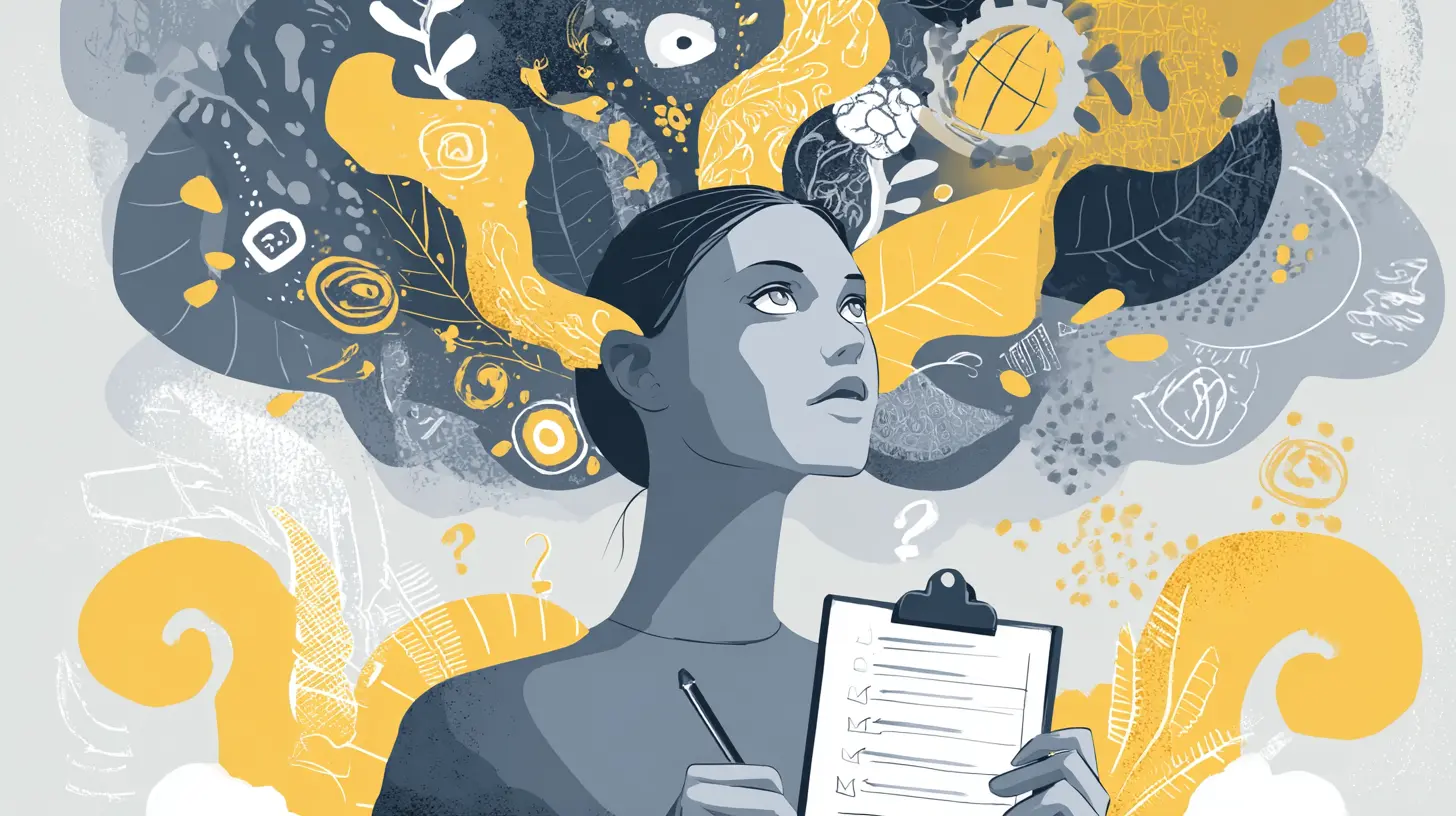
What Is a Psychological Test Anyway?
First off, let’s clear up the confusion.A psychological test is not about passing or failing. It’s not a quiz you can cram for or something that decides if you’re “normal” or not. It’s a structured way to measure a part of your mental world — your personality, intelligence, emotions, behaviors, or even how you cope with stress.
Imagine your mind is an engine, and the psychological test is like a diagnostic scanner a mechanic hooks up to see how things are running. It doesn’t label you — it just gives data to understand how things are functioning.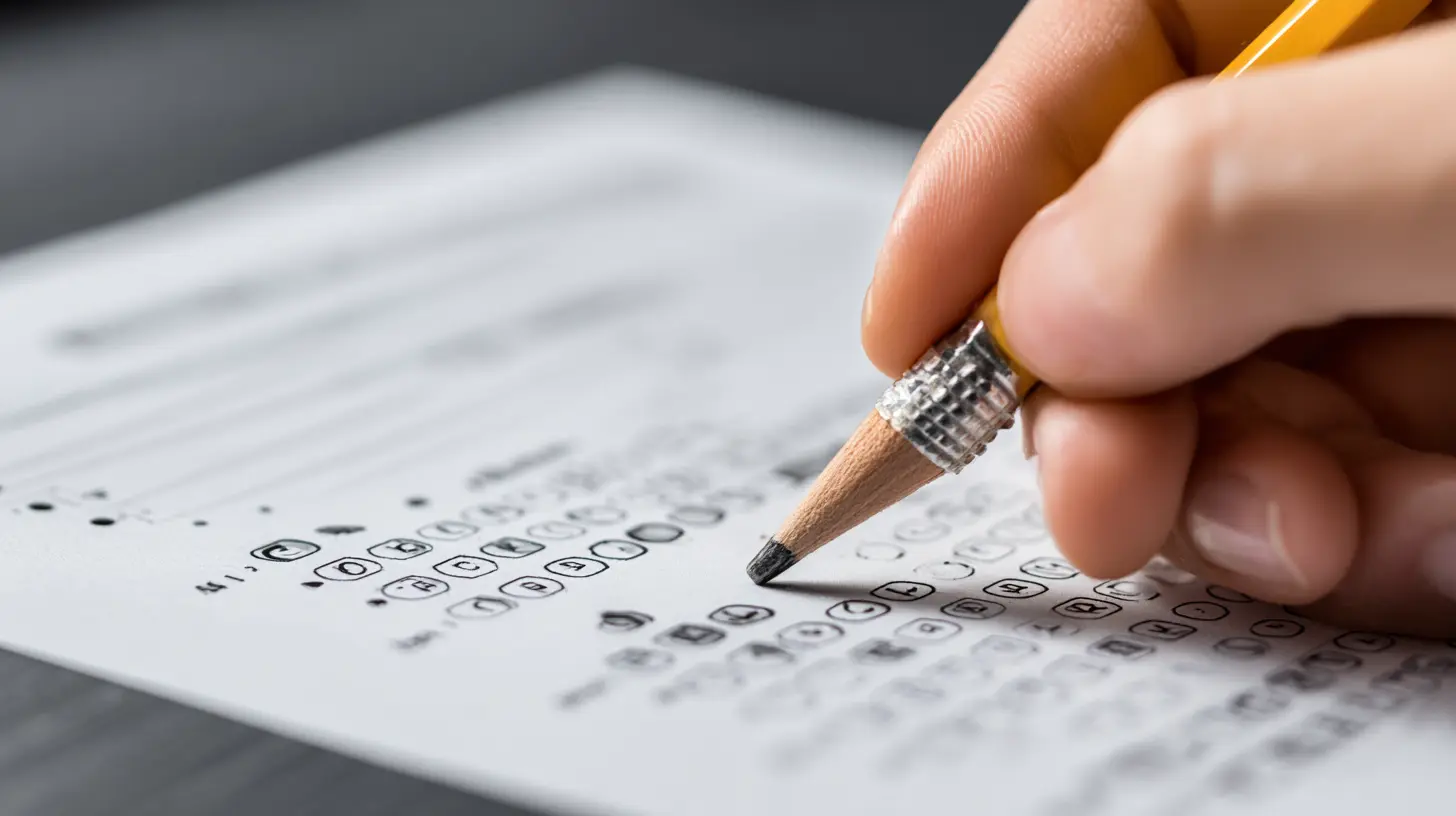
Why Do People Take Psychological Tests?
There are a bunch of reasons, and most of them are totally valid.1. Mental Health Diagnosis
If you’ve been feeling off — anxious, low, or just not yourself — a therapist or psychiatrist might use tests to pinpoint what’s going on. Is it depression? ADHD? Something else? These tools help remove guesswork.2. Therapy Direction
It’s not just about finding what's “wrong.” Tests can help therapists tailor your treatment. Knowing how you think and react can guide therapy like a GPS — ensuring you're on the right path.3. Job Applications
Employers sometimes use psychological tests to assess if you're a good fit for a role, particularly for high-stakes jobs (think: pilots, police officers, or executives).4. Academic and Educational Planning
Kids and adults alike might take cognitive or aptitude tests to figure out learning strengths and weaknesses. Super helpful for everything from school plans to career changes.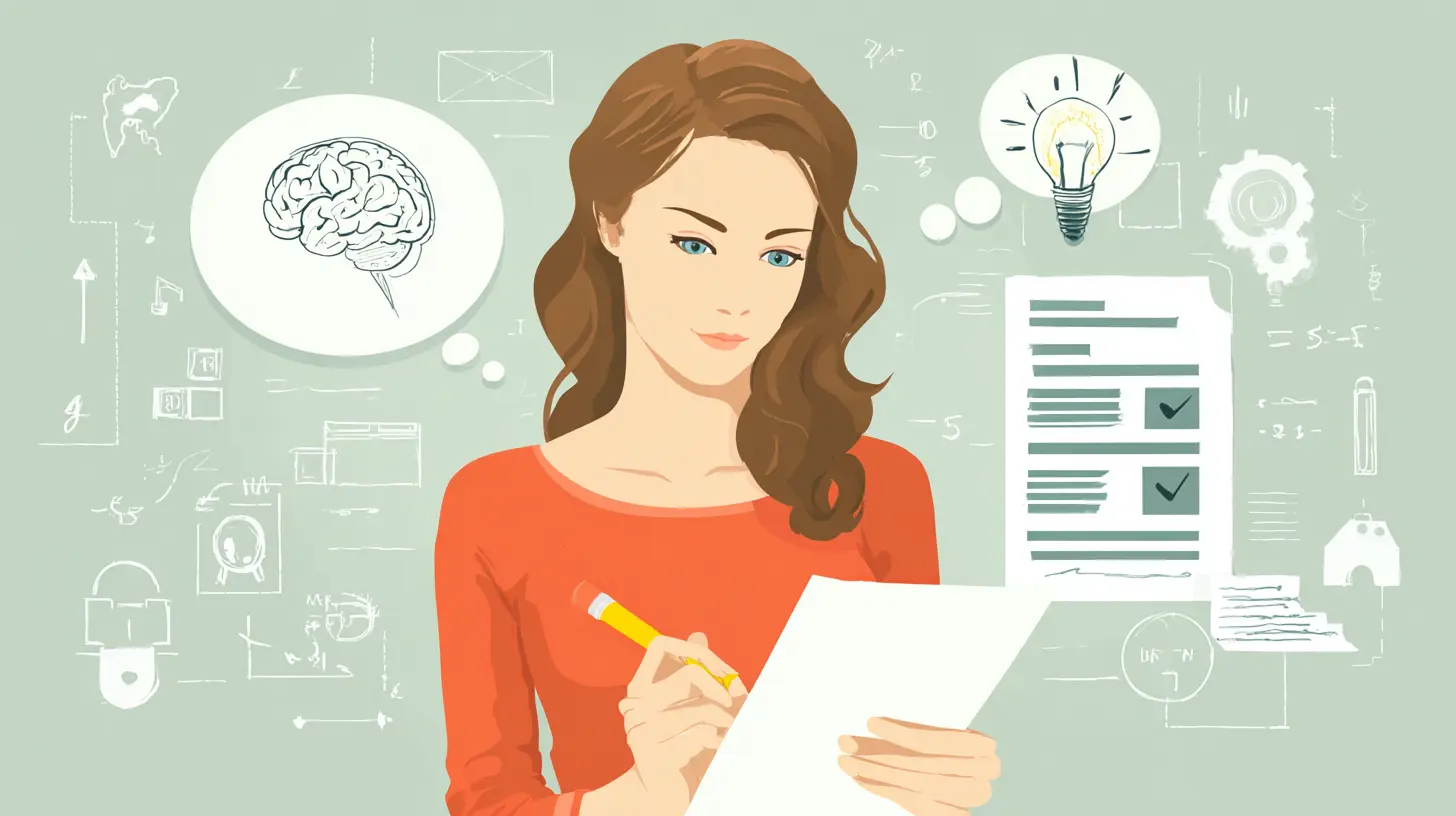
Types of Psychological Tests (Yep, There’s a Bunch)
Not all psychological tests are created equal. Here's a breakdown to help you see the forest through the trees.🧠 Intelligence Tests
These measure cognitive ability — basically how well your brain processes, reasons, solves problems, and remembers information. Think: IQ tests.👤 Personality Tests
Want to learn about your personality traits, such as whether you're introverted or extroverted? These tests dig into how you see the world and how you interact with it.Examples: The MMPI-2 (Minnesota Multiphasic Personality Inventory) or the Big Five Personality Test.
🧩 Neuropsychological Tests
These are a bit more detailed and used to see how your brain is functioning after an injury or illness like a stroke or trauma.🧘 Mood and Behavior Assessments
Used to evaluate things like anxiety, depression, and other mood-related disorders.🧑🏫 Aptitude and Achievement Tests
These measure specific skills or knowledge — like math ability or reading comprehension.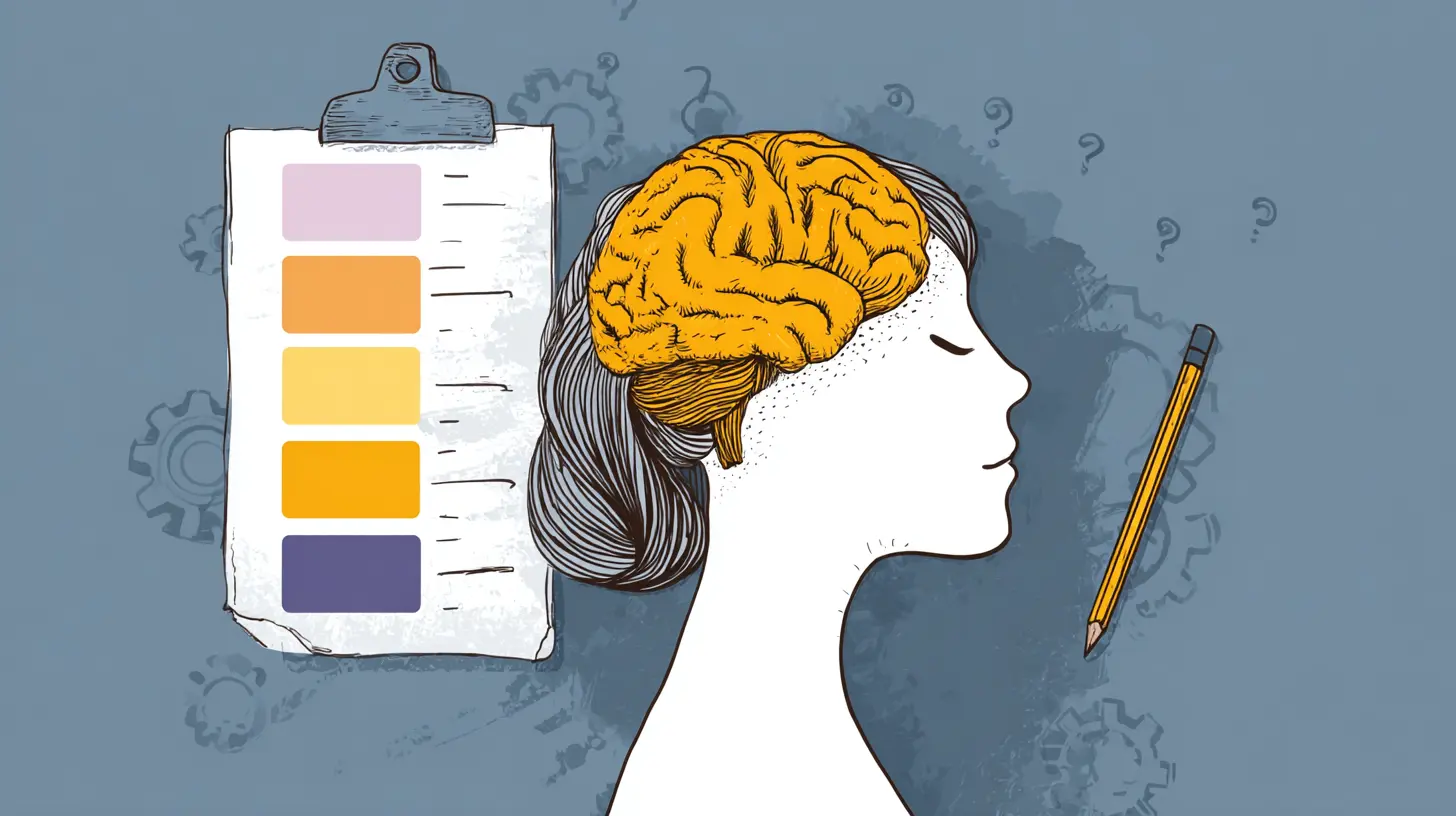
Are These Tests Accurate?
Great question. The short answer is: mostly, yes — if they're professionally administered and scientifically validated.Psychological tests go through rigorous development processes. They’re designed by experts and refined over time. But the accuracy also depends on how honestly you respond and the context in which the test is used.
Would you trust a medical diagnosis based on a Google search? Probably not. Same goes here. You need a trained professional to interpret the results properly.
What Should You Know Before Taking One?
Let’s dig into the good stuff — the nitty-gritty you need to know before you take a psychological test.1. It's Not About "Passing"
Forget the idea that you can ace this. It’s not a contest. You won’t win a gold star or get kicked out for the wrong answers. Be honest and open — that's the real win.2. Context Matters
If you’re taking a test during a storm of stress or after a sleepless night, it might skew your results. Let the administrator know if something's off that day. Context colors everything.3. Not All Tests Are Equal
Online quizzes? Fun. Scientific? Not so much. Stick to tests administered by licensed psychologists or mental health professionals when you're looking for actual insights.4. Honesty Is Crucial
Trying to answer what you think they want to hear? That’s like painting over rust — you won’t get a true picture. These tests only work if you’re real with your answers.5. You Can Ask Questions
You don’t have to sit there silently. If something doesn’t make sense, ask. Professionals are there to guide, not judge.How to Prepare (Yep, You Can Do a Bit)
Don't worry — you don’t need to study flashcards or pull an all-nighter. But there are some ways you can mentally prepare for a psychological test.✅ Get a Good Night’s Sleep
No one thinks clearly when they’re running on fumes. Rest up.✅ Eat Something
Brain food matters. Don’t show up hangry.✅ Be On Time
Being rushed doesn’t help anxiety. Arrive early, breathe deep.✅ Bring Your Glasses (or Meds)
If you need glasses or take meds, make sure you’ve got them. You’ll want to be functioning at your best.What Happens During the Test?
So, what’s the vibe? Again, depends on the test. Some are paper-based, some are computer-based, and others involve sitting down with a psychologist for an interview-style assessment.You might be asked to:
- Answer multiple-choice or true/false questions
- Complete sentences
- Solve puzzles or memory tasks
- Talk about your feelings or behavior patterns
Some tests take 15 minutes. Others might be done over several sessions. But don’t worry — your psychologist will walk you through it.
What Happens After the Test?
Once the test’s done, the ball’s in the psychologist's court.They'll analyze your answers against standardized norms (basically comparing your results to others in your age or demographic group). Then they’ll sit down with you to discuss what the results reveal.
Important: The results are confidential. They don’t get shared without your permission (unless there’s a legal reason — like risk to yourself or others).
What If You Don’t Like the Results?
Totally valid concern. Sometimes what we learn about ourselves doesn’t match the story we’ve been telling. That can be jarring.But think of it like getting a medical scan. Wouldn’t you rather know what’s going on so you can work on it? Psychological tests aren’t about labeling or limiting. They’re about understanding — and from understanding comes growth.
Red Flags to Watch Out For
Not every test is trustworthy. Here are a few red flags that should set off your inner alarm:- The test is free and online but promises something super serious (like diagnosing a mental illness).
- There’s no professional to explain your results.
- The test only asks surface-level questions with vague interpretations.
- It seems “too good to be true” or like a personality horoscope.
If in doubt, talk to a licensed psychologist. They’ll steer you the right way.
Final Thoughts: It's Just a Tool, Not a Sentence
Taking a psychological test might sound like a big deal — and it can be — but it doesn’t define you.Think of it as a mirror. Sometimes it’s crystal clear; other times it shows you spots you didn’t know were there. In the end, it’s just a tool. How you use it? That’s where the magic happens.
Whether you’re taking it for work, therapy, curiosity, or anything in between, going in with an open mind, honesty, and a willingness to learn about yourself is the best approach you can take.
So breathe. You got this.
Frequently Asked Questions (FAQs)
Is a psychological test the same as a psychiatric evaluation?
Not exactly. A psychological test is just one part of an evaluation. A full psychiatric evaluation involves interviews, maybe lab tests, and a deeper look into your history.Can I take a psychological test online?
Some valid ones are available through licensed professionals online. But your average Buzzfeed-style quiz? Not reliable for real insight.Will I be labeled forever based on the results?
Nope. You are not your test results. They're a snapshot — not a life sentence. Use them as a guide, not a definition.Do kids take psychological tests too?
Absolutely. Tests can help understand a child’s learning style, emotional needs, or behavioral patterns.all images in this post were generated using AI tools
Category:
Psychological TestingAuthor:

Ember Forbes
Discussion
rate this article
1 comments
Giovanna McCullough
Understanding the purpose and format of psychological tests can significantly enhance your preparation and results.
July 5, 2026 at 4:34 AM