The Neuroscience of Trauma: What Happens in the Brain
1 July 2026
Trauma is a word that gets thrown around a lot these days. Whether it's emotional, physical, psychological, or even vicarious trauma, it's something most of us encounter at some point in our lives. But what actually happens in the brain when we experience trauma? How does it affect the way we think, feel, and behave? That’s where neuroscience comes into play.
Understanding how trauma impacts the brain can shed light on why it’s so difficult to overcome and how we can heal. In this article, we’ll dive deep into the neuroscience of trauma—what happens in the brain when trauma occurs, the long-term effects, and how we can begin to rewire our minds for recovery.
What is Trauma?
Before we get into the nitty-gritty of neurons and brain structures, let's first define what trauma actually is.Trauma is any deeply distressing or disturbing experience. It can stem from a wide range of events, such as accidents, abuse, natural disasters, or even chronic stress. What makes trauma unique is that it overwhelms the brain's ability to cope.
When someone experiences trauma, their brain perceives the event as a significant threat to their safety or well-being. This triggers a cascade of physiological and psychological responses, and in many cases, these responses can last long after the event has passed.
Types of Trauma
There are three main types of trauma:- Acute Trauma: This results from a single, isolated event, like a car accident or sudden loss.
- Chronic Trauma: Continuous exposure to distressing events, such as childhood abuse or living in a war zone, leads to chronic trauma.
- Complex Trauma: This occurs when someone experiences varied and multiple traumatic events, often of an interpersonal nature.
While the experiences may differ, the brain's reaction to trauma follows a surprisingly similar pattern regardless of the type.

The Brain's Reaction to Trauma: Fight, Flight, or Freeze
Now, let's get into the brain itself. When we experience trauma, the brain's alarm system goes into overdrive. The brain is wired for survival, so its first job when faced with a threat is to protect us. How does it do that? Through the classic fight, flight, or freeze response.The Amygdala: The Brain's Alarm Bell
The amygdala, an almond-shaped cluster of neurons located deep within the brain, is the first responder when trauma happens. Think of the amygdala as your brain's alarm bell. When you encounter something threatening, the amygdala kicks into high gear, sending out distress signals to the rest of the brain.In a sense, the amygdala is the "emotional" part of the brain. It doesn’t pause to weigh the pros and cons of a situation; it simply screams, "DANGER!" This is critical for survival in the short term but can be problematic when that alarm stays on long after the danger has passed.
The Hypothalamus: The Command Center
Once the amygdala is fired up, it sends a signal to the hypothalamus, which acts like the brain's command center. The hypothalamus communicates with the autonomic nervous system to activate the sympathetic nervous system, which launches the body into "fight-or-flight" mode.What happens next? Your heart races, your muscles tense up, and your senses heighten. You’re ready to either confront the threat head-on or run for your life. This physiological response is designed to help you survive immediate danger, but when you’re stuck in this state for too long, it can wreak havoc on your body and mind.
The Prefrontal Cortex: The Decision Maker
Now, here’s where things get even more interesting. The prefrontal cortex, located at the front of the brain, is responsible for rational thinking, decision-making, and self-control. In normal situations, this part of your brain helps you assess a problem, weigh options, and decide on the best course of action.However, under extreme stress or trauma, the amygdala can essentially hijack the brain, overpowering the prefrontal cortex. This leads to impulsive, emotion-driven responses rather than thoughtful, measured decisions. It’s why people who have experienced trauma often feel "out of control" or act in ways that don’t make sense to them.
The Hippocampus: Storing Memories
The hippocampus is another crucial player in the brain's trauma response. It’s responsible for storing and organizing memories. Under stress, however, the hippocampus doesn't work as efficiently. Trauma can disrupt the hippocampus' ability to process and store memories correctly, which is why some people have fragmented or distorted memories of traumatic events.In fact, the hippocampus can actually shrink in size due to prolonged stress or trauma. This not only impacts memory but also makes it harder for the brain to differentiate between past trauma and present safety. This is why someone might feel like they're reliving their trauma, even when they’re in a completely safe environment.
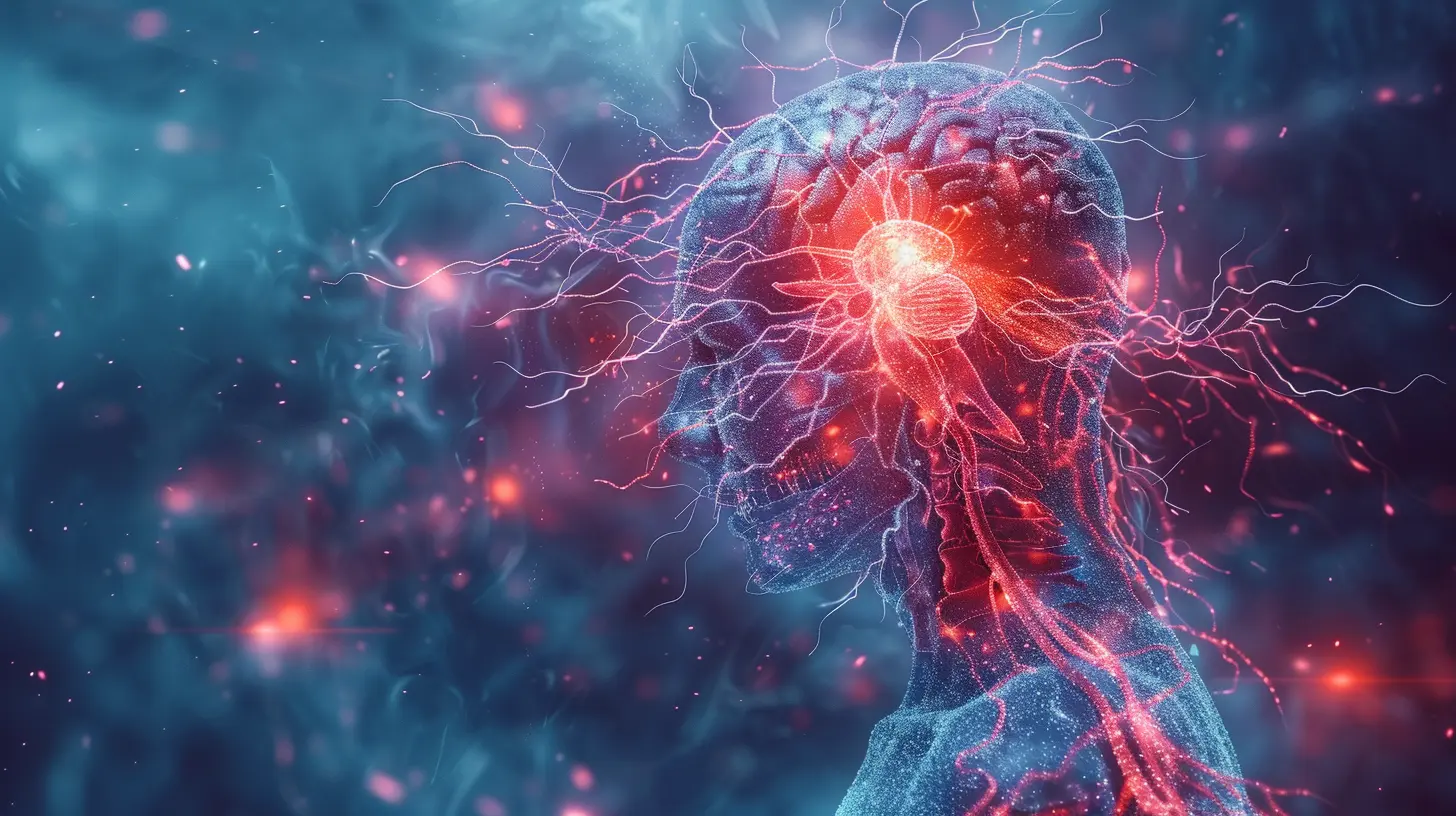
The Long-Term Effects of Trauma on the Brain
While the brain's response to trauma is helpful in the immediate moment, what happens when that response doesn’t subside? Chronic trauma can cause significant changes to the brain’s structure and function, leading to long-lasting effects on mental health and well-being.Hypervigilance and Anxiety
One of the most common effects of trauma is hypervigilance—the constant feeling that danger is lurking around every corner. Because the amygdala stays on high alert, the brain remains in a state of anxiety. This can lead to chronic stress, panic attacks, and difficulty relaxing, even in safe situations.Emotional Dysregulation
Since trauma can impair the prefrontal cortex, individuals may struggle with emotional regulation. They may experience intense, overwhelming emotions that seem disproportionate to the current situation. For example, a minor inconvenience might trigger a full-blown emotional meltdown.Flashbacks and Intrusive Thoughts
Because the hippocampus struggles to process traumatic memories, those memories can come back in the form of flashbacks or intrusive thoughts. These can be so vivid that they make the person feel as though they are reliving the trauma all over again.Dissociation
Some individuals respond to trauma by "checking out" mentally, a process known as dissociation. This can range from feeling detached from one’s body to having no memory of the traumatic event at all. Dissociation is the brain’s way of trying to protect the individual from overwhelming emotional pain.Post-Traumatic Stress Disorder (PTSD)
When trauma leads to long-lasting psychological effects, it can result in a condition known as Post-Traumatic Stress Disorder (PTSD). PTSD is characterized by intrusive memories, avoidance behaviors, numbing of emotions, and hyper-reactivity to stress. It’s essentially the brain’s trauma response gone into overdrive and stuck in "survival mode."
Can the Brain Heal from Trauma?
Here’s the good news: while trauma can leave lasting scars, the brain is highly adaptable. Thanks to a concept called neuroplasticity, the brain has the ability to rewire itself, even after trauma. But how does this work?The Role of Neuroplasticity
Neuroplasticity refers to the brain's ability to form new connections and reorganize itself. The brain is not fixed but is constantly changing in response to experiences, learning, and even therapy. This means that with the right interventions, the brain can heal from trauma, even if the effects have persisted for years.Therapy and Brain Healing
One of the most effective ways to promote healing is through trauma-focused therapy, such as Cognitive Behavioral Therapy (CBT) or Eye Movement Desensitization and Reprocessing (EMDR). These therapies aim to help individuals process traumatic memories in a way that reduces their emotional charge and allows the brain to regain a sense of safety.Mindfulness and Meditation
Another powerful tool for rewiring the brain is mindfulness and meditation. These practices help calm the amygdala, reduce hypervigilance, and improve emotional regulation by strengthening the prefrontal cortex. Over time, they can help create new, healthier patterns of thought and behavior.Physical Exercise and Brain Health
Believe it or not, physical exercise plays a significant role in brain healing. Exercise increases the production of neurotransmitters like serotonin and dopamine, which can improve mood and reduce symptoms of anxiety and depression. Additionally, exercise stimulates the growth of new neurons in the hippocampus, helping to repair some of the damage caused by trauma.Conclusion
Understanding the neuroscience of trauma helps us appreciate just how profoundly trauma can impact the brain. From the amygdala’s alarm bell to the hippocampus’ memory storage issues, trauma leaves its mark on various parts of the brain, often making recovery feel like a daunting task. However, thanks to neuroplasticity, the brain has an incredible capacity to heal.So, while trauma may change the brain, it doesn’t have to define you. With the right interventions—therapy, mindfulness, and even physical exercise—you can begin the journey of healing and reclaim control over your mind.
all images in this post were generated using AI tools
Category:
Psychological TraumaAuthor:

Ember Forbes
Discussion
rate this article
1 comments
Karly McGinn
This article brilliantly sheds light on the brain's response to trauma. It's fascinating to see how understanding these mechanisms can empower healing. Remember, knowledge is the first step toward growth. Keep exploring, and don't hesitate to reach out for support when needed!
July 11, 2026 at 5:07 AM
Ember Forbes
Thank you for your thoughtful comment! I'm glad you found the insights valuable. Understanding these processes is key to healing, and I appreciate your encouragement to keep the conversation going.