Understanding the Silent Impact of Childhood Trauma
7 March 2026
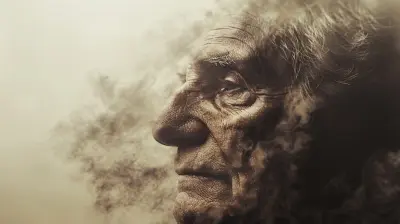
Let’s talk about something we often keep swept under the rug — childhood trauma. We tend to picture trauma as something loud and obvious, like a natural disaster or a violent event. But what about the quiet wounds — the ones that leave no bruises, yet ache deep within a person for years? Childhood trauma often works in silence, shaping minds, behaviors, and relationships long before we even realize it.
In this post, we’ll dive into the hidden layers of childhood trauma — what it is, how it shows up later in life, and most importantly, how healing is possible. Think of it as putting the puzzle pieces together for your emotional well-being.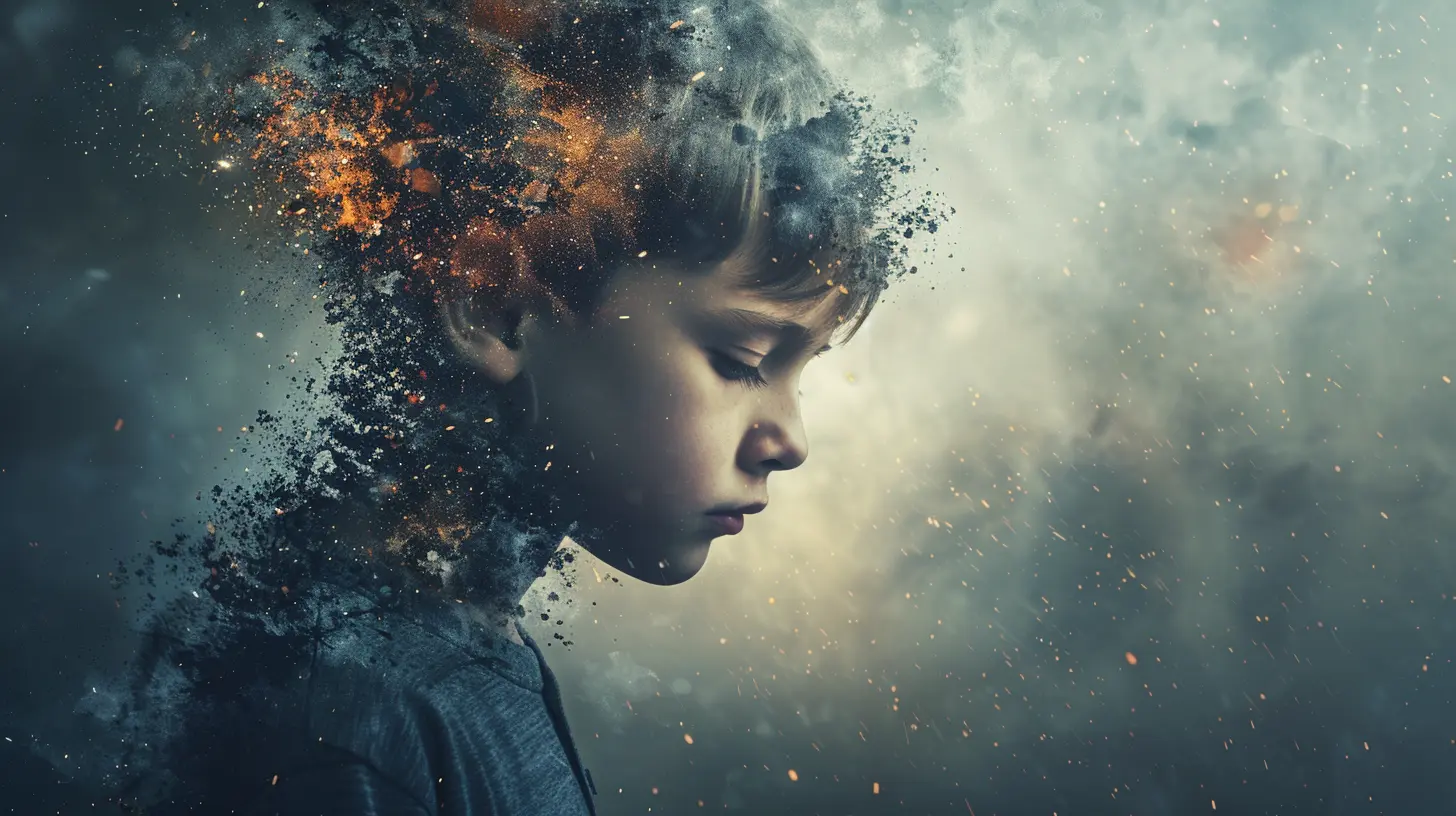
What Is Childhood Trauma, Really?
Before we go deeper, let’s define what we're talking about. Childhood trauma isn’t just about one-time events like car accidents or surgeries. It can also be a chronic environment of stress — things like an unstable home, emotional neglect, or not feeling safe.Common Sources of Childhood Trauma:
- Physical, emotional, or sexual abuse- Neglect (emotional or physical)
- Witnessing domestic violence
- Losing a parent or loved one
- Bullying or social rejection
- Living with a mentally ill or addicted family member
- Experiencing poverty or homelessness
Trauma doesn’t always come with visible scars. Sometimes, it’s what didn’t happen — the love that wasn’t given, the words that were never said.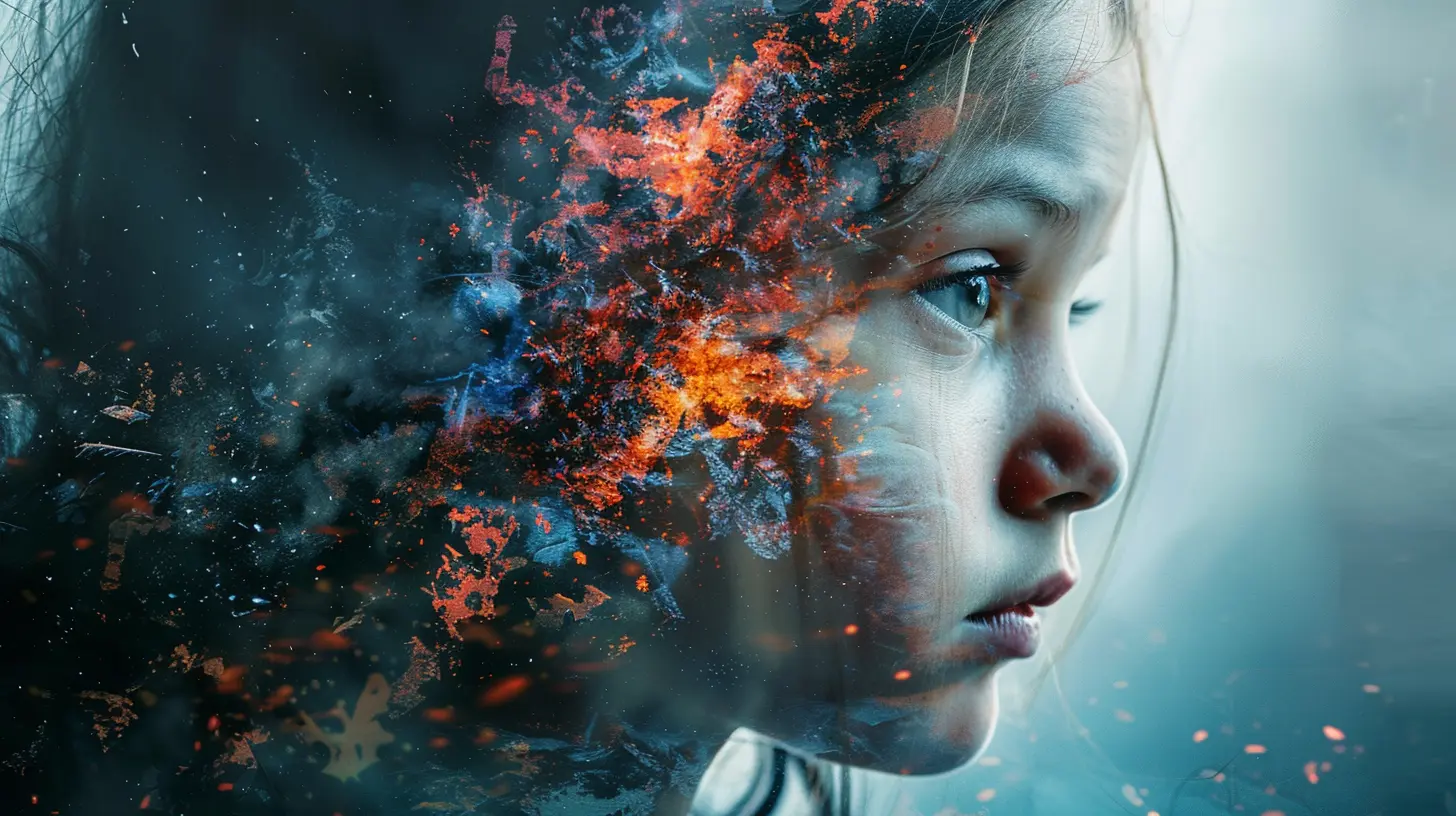
Why Childhood Trauma Is So Powerful
Here’s the thing — children's brains are still developing. When a child goes through trauma, it actually wires the brain differently. It’s like laying down a railroad track on unstable ground — the train still runs, but the ride’s bumpy, unpredictable.The Science Side of It
When we’re young, our brains are like sponges — absorbing everything. But if childhood is filled with fear or stress, that sponge absorbs trauma instead of security. The brain shifts into survival mode, bathing itself constantly in stress hormones like cortisol. Over time, this affects everything from emotional regulation to memory and attention.Think of trauma like a ghost in the operating system — quietly running in the background, influencing every action, every decision, and every reaction.
The Invisible Echoes in Adulthood
“I’m fine.” How many of us have said that without really meaning it?Often, childhood trauma hides beneath the surface. You might not associate your fear of abandonment, your trust issues, or your inability to relax with events from decades ago. But trauma doesn’t obey time the way we do — it carries forward, echoing into adulthood in subtle, sneaky ways.
Signs You Might Be Carrying Childhood Trauma:
- Chronic anxiety or depression- People-pleasing tendencies
- Difficulty setting or respecting boundaries
- Fear of intimacy or struggle with close relationships
- Feeling emotionally numb or disconnected
- Addictions (alcohol, drugs, food, social media, etc.)
- Low self-worth or self-sabotage
- Unexplained physical symptoms (headaches, insomnia, fatigue)
Sound familiar? You’re not alone. These are more than personality quirks — they’re coping mechanisms your brain developed to survive.
The Coping Code: How We Adapt When We’re Hurt
Our minds are brilliant at keeping us safe. When trauma hits, especially in childhood, we find ways to shield ourselves. Maybe you became the “perfect child” — excelling in school, keeping quiet, never making waves. Or perhaps you shut down emotionally, learning that feelings weren’t safe.These coping strategies aren’t bad; they’re actually quite clever. But the tricky part is, they often overstay their welcome. What protected you as a child may harm you as an adult.
Common Trauma Adaptations:
- Hyper-independence: Trust no one, do everything yourself- Perfectionism: Avoid criticism by being flawless
- Avoidance: If you don’t feel, you can’t get hurt
- Hypervigilance: Always on edge, waiting for the next bad thing
- Dissociation: Zoning out to escape painful memories
The problem is, these patterns get hardwired. And even when your circumstances change, your brain is still stuck in survival mode.
Breaking the Cycle: Healing From the Inside Out
Okay, so now you're probably thinking — how do I fix this?First, take a breath. Healing from childhood trauma isn't a quick fix. But the good news? It’s absolutely possible. The brain has this incredible thing called neuroplasticity — the ability to rewire itself. That means you’re not stuck. You’re not broken. You're just running on outdated software.
Step 1: Acknowledge It
You can’t heal what you won’t admit. The first step is recognizing that what you went through was trauma, even if it wasn’t violent or dramatic. If it hurt you, if it changed you — that counts.Step 2: Feel to Heal
Painful emotions don’t disappear unless we process them. Talk therapy, journaling, mindfulness — these tools help you feel the anger, sadness, or fear you've buried.Step 3: Seek Support
You don’t have to do this alone. Therapists, support groups, even trusted friends can walk with you on this path. Trauma thrives in silence. Healing grows in connection.Step 4: Re-Parent Yourself
This one’s powerful. Give yourself the love, patience, and safety you missed as a child. That means setting boundaries, practicing self-care, and speaking kindly to yourself.Think of it like teaching your inner child that they’re finally safe now.
How Childhood Trauma Impacts Relationships
Ever wonder why you keep choosing the wrong people? Or why you push people away the closer they get?That’s trauma talking.
We often recreate childhood dynamics in our adult relationships, not because we’re flawed, but because we’re unconsciously looking for a way to “fix” the past.
Examples in Relationships:
- Clinging to partners who are emotionally unavailable- Fear of abandonment, leading to jealousy or control
- Struggling to express needs or emotions
- Feeling unworthy of love, leading to settling for less
The good news? Becoming aware of these patterns is half the battle. Once you see them for what they are — leftover survival strategies — you can start making healthier choices.
Childhood Trauma and the Body
We can’t talk about trauma without mentioning the body. The mind and body are deeply connected — what affects one, affects the other.Ever gotten a migraine during emotional stress? Or felt a “gut feeling” when something was off? That’s your body talking.
Trauma-Linked Physical Issues:
- Chronic pain- Autoimmune disorders
- Gastrointestinal issues (IBS, ulcers)
- Chronic fatigue
- Sleep disorders
The body remembers — even if the mind forgets. Healing trauma often involves body-based therapies like yoga, EMDR, somatic therapy, or breathwork.
Trauma isn’t just “in your head.” It lives in your cells, your muscles, your nervous system. Healing happens when you reconnect with your body — and start feeling safe within it again.
Is It Too Late to Heal?
Let’s clear this up now: it is never too late to heal. Yes, childhood trauma may have shaped you — but it doesn’t define you. Healing is not about erasing your past. It’s about learning how to live with it, gently, without letting it run the whole show.Small Steps = Big Change
- Start therapy or coaching- Practice daily mindfulness
- Keep a journal of your feelings and triggers
- Read books on trauma (like “The Body Keeps the Score” or “It Didn’t Start with You”)
- Join a support group
- Focus on self-compassion
Progress may feel slow, but every step forward is worth celebrating. Remember, healing isn’t a straight line — it’s a spiral. You’ll revisit old wounds, but from a stronger place each time.
Final Thoughts: You Deserve to Heal
Let’s end on this note — if you’ve carried childhood trauma, even silently, you deserve healing. You deserve kindness, patience, and peace — not just from others, but from yourself.You are not your trauma. You’re the survivor of it. And every day you choose to face it, to speak about it, to feel it — you're reclaiming your power.
So, if no one has told you this lately: you’re doing an amazing job. Keep going. Your story doesn’t end with pain. It begins with healing.
all images in this post were generated using AI tools
Category:
Psychological TraumaAuthor:

Ember Forbes
Discussion
rate this article
2 comments
Patience McKay
This article provides valuable insights into the often-overlooked effects of childhood trauma. Understanding these silent impacts is essential for promoting healing and fostering resilience in individuals. Thank you for shedding light on this important issue.
March 27, 2026 at 4:51 PM
Ember Forbes
Thank you for your thoughtful comment. I'm glad you found the insights valuable. It's crucial to raise awareness about these impacts.
Harlow Cole
Insightful article—thank you for highlighting this!
March 8, 2026 at 5:48 AM
Ember Forbes
Thank you for your kind words! I'm glad you found it insightful.