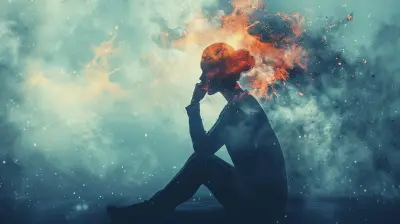
Trauma and Social Isolation: The Fear of Rejection After Pain
6 December 2025
Have you ever felt the crushing weight of isolation after going through something really tough? Maybe it was a traumatic event—something that hit you so hard, you weren’t sure if you’d ever feel “normal” again. It’s not just the pain of the event itself that lingers. Often, it’s the fear of rejection that follows. You’re afraid to reach out, worried that others won’t understand, and terrified that you’ll be judged for what you’ve been through. This fear can spiral into social isolation, creating a vicious cycle that’s hard to break.
In this article, we’ll dive into how trauma can lead to social isolation, why the fear of rejection is so powerful, and what can be done to slowly step back into the world. So, if you’ve ever felt like you’re standing on the outside looking in, this one’s for you.
What Is Trauma?
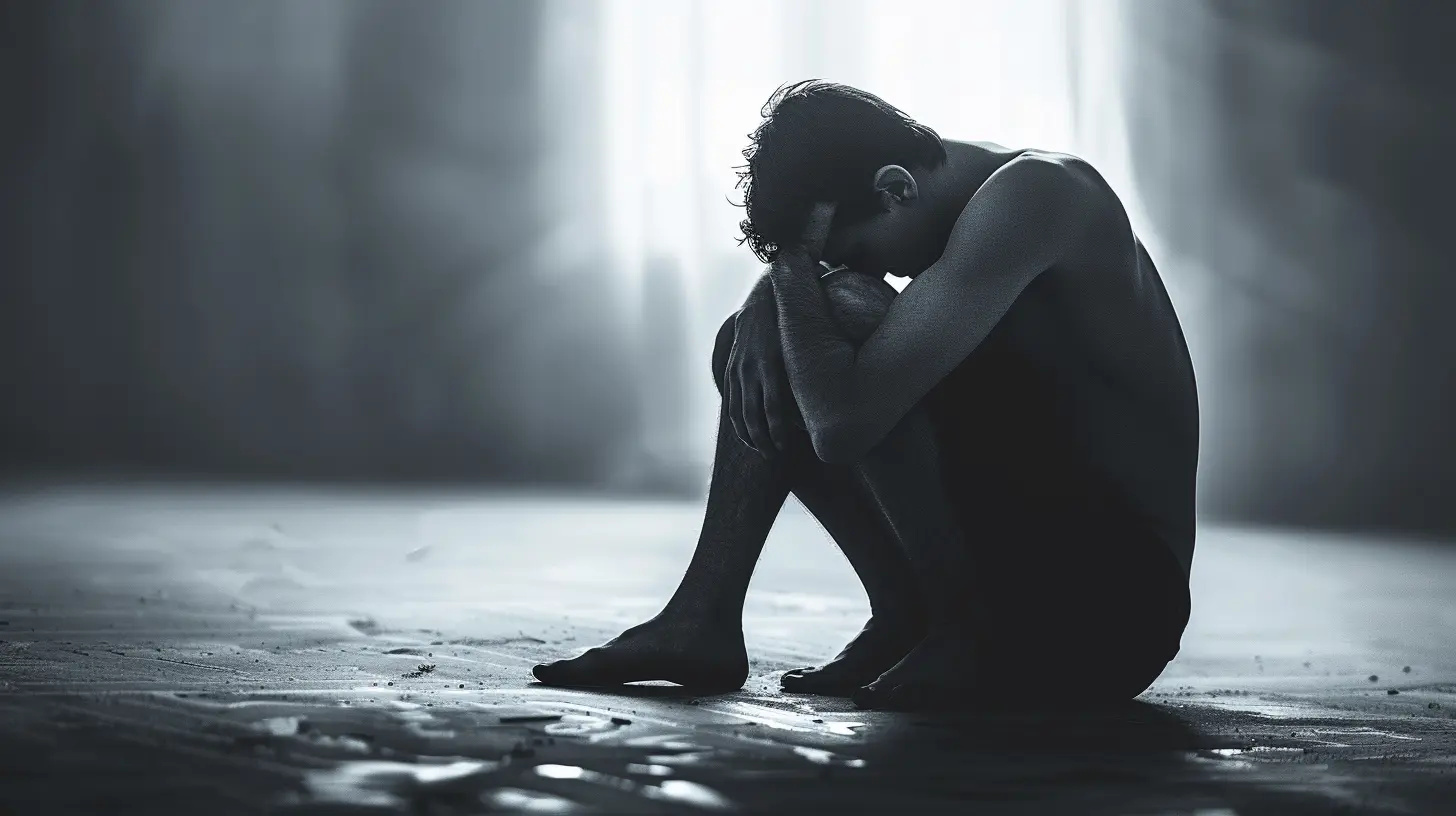
Before we can talk about how trauma leads to social isolation, we need to define trauma itself. Trauma isn’t just restricted to major life events like car accidents or natural disasters. It can be any event that overwhelms your ability to cope. It could be the loss of a loved one, a bad breakup, childhood neglect, or even bullying.When we experience trauma, our brains go into survival mode. The fight, flight, or freeze response kicks in, and our bodies prepare to defend against the perceived threat. But here’s the kicker: long after the event is over, our brains sometimes get stuck in that survival mode. This can cause lasting emotional, psychological, and even physical effects.
Types of Trauma
There isn’t a one-size-fits-all when it comes to trauma. It affects people in different ways, depending on the type and severity of the experience. Here are some common types:- Acute Trauma: This results from a single, distressing event, such as an accident or a sudden loss.
- Chronic Trauma: This involves repeated and prolonged exposure to distressing events, like abuse or long-term illness.
- Complex Trauma: This occurs due to exposure to multiple traumatic events, often of an invasive interpersonal nature (think childhood abuse or domestic violence).
Now, no matter the type, trauma leaves a mark. It can change how we see ourselves, how we relate to others, and how we navigate the world.

The Connection Between Trauma and Social Isolation
So, how does trauma lead to social isolation? It’s not an automatic process, but it happens more often than we might think. After experiencing something traumatic, people often feel disconnected—from themselves and from others. There’s this overwhelming sense that no one will understand, or worse, that they’ll misjudge or reject us for what we’ve been through.The Fear of Rejection
Fear of rejection is a huge part of why trauma survivors often end up isolating themselves. After all, who wants to risk getting hurt again? Think about it: if you’ve been let down by people you trusted during or after a traumatic event, it’s only natural to be wary of opening yourself up again. You start to expect rejection, even when there’s no evidence that it will happen.This fear can be paralyzing. You don’t want to reach out to others because the pain of being misunderstood or dismissed feels too great. In your mind, avoiding people becomes a way to protect yourself from further harm.
Emotional Numbing and Avoidance
Another reason trauma can lead to social isolation is emotional numbing. After a traumatic event, many people shut down emotionally as a way to cope with the overwhelming feelings. This numbness doesn’t just affect your ability to feel pain—it can also block out joy, connection, and love.When you’re emotionally numb, relationships can feel like a lot of work. You might find it difficult to engage with others, even those who care about you. Over time, you withdraw more and more, retreating into a world where you feel safer, albeit lonelier.
Shame and Guilt
Shame and guilt are common emotions for trauma survivors. People often blame themselves for what happened, even when they had no control over the situation. This self-blame can make it hard to open up to others because you feel like you’re not worthy of support.For trauma survivors, shame can be like an invisible barrier that keeps you locked in a prison of your own making. You want to reach out, but that voice in your head keeps saying, “They’ll think less of you if they know what you’ve been through.”

The Impact of Social Isolation
Social isolation doesn’t just affect your emotional well-being; it can have serious physical and mental health consequences too. When humans isolate themselves, it goes against our very nature. We are, by design, social creatures. We thrive on connection. So when that’s taken away—whether by choice or circumstance—it can have a ripple effect on every aspect of our health.Mental Health Decline
One of the most immediate impacts of social isolation is a decline in mental health. Without social support, trauma survivors are more likely to experience depression, anxiety, and even PTSD symptoms. The isolation reinforces the belief that you’re alone in your struggles, which can make it harder to seek help or believe that things can get better.Physical Health Issues
Believe it or not, social isolation can also take a toll on your physical health. Studies have shown that chronic loneliness can increase the risk of heart disease, weaken the immune system, and even shorten life expectancy. Isolation can trigger a stress response in the body that, over time, wears down your physical health.Loss of Social Skills
When you’re isolated for long periods, you might start to lose confidence in your ability to connect with others. Social situations that used to feel easy can now feel overwhelming. You may avoid social settings altogether, which only deepens the isolation.
Breaking the Cycle of Trauma and Isolation
So, how do you break the cycle? It’s not easy, and it doesn’t happen overnight, but it is possible. The key is to take small, manageable steps toward reconnecting with others, even if it feels uncomfortable at first.1. Seek Professional Help
The first step in overcoming trauma-induced isolation is to seek professional help. Therapists, particularly those who specialize in trauma, can guide you through the healing process. Therapy like Cognitive Behavioral Therapy (CBT) or Eye Movement Desensitization and Reprocessing (EMDR) can help you process the trauma and reduce the symptoms that are keeping you isolated.2. Start Small with Social Interactions
Reconnecting with others doesn’t mean you have to dive headfirst into large social gatherings. Start small. Call a friend, join a low-pressure online group, or reconnect with family members. The goal is to take small steps that gradually rebuild your social confidence.3. Challenge Negative Thoughts
The fear of rejection is often fueled by negative, unhelpful thoughts. “They won’t understand.” “I’ll just be a burden.” These thoughts keep you stuck in isolation. Try to challenge them. Ask yourself: Is there any real evidence that I’ll be rejected? Or am I assuming the worst?4. Practice Self-Compassion
One of the most important aspects of healing after trauma is learning to be kind to yourself. You’ve been through something hard, and it’s okay to struggle. Instead of beating yourself up for feeling isolated, offer yourself the same compassion you would to a friend in your situation. You don’t have to have it all figured out right away.5. Find a Support Group
Sometimes it’s easier to connect with people who have been through something similar. Trauma support groups—whether in person or online—can provide a safe space to share your experiences without fear of judgment. It can be incredibly healing to realize that you’re not alone in your struggles.Rebuilding Trust in Others
One of the hardest parts of overcoming trauma-induced isolation is learning to trust others again. This isn’t something that happens overnight, and it will take time. But slowly, as you begin to open up to people, you’ll start to see that not everyone will reject you. Some people will surprise you with their kindness, understanding, and support.It’s important to remember that trust is built over time. You don’t have to pour your heart out to someone all at once. Start small, share what feels safe, and see how others respond. Little by little, you’ll begin to rebuild your faith in human connection.
Conclusion: You Don’t Have to Do This Alone
Trauma and social isolation are deeply intertwined, but the good news is that they don’t have to define your future. Yes, trauma can make you feel like you’re standing on the outside looking in, but it’s possible to break free from that isolation. By seeking help, challenging negative thoughts, and slowly reconnecting with others, you can start to heal and rebuild your life. Remember, you don’t have to do this alone—there are people and resources that can help you every step of the way.all images in this post were generated using AI tools
Category:
Psychological TraumaAuthor:

Ember Forbes
Discussion
rate this article
1 comments
Rosalie McIlwain
This article highlights an intriguing connection between trauma and social isolation. It’s fascinating how past pain can shape our fears of rejection. I’m curious about strategies for overcoming these barriers and fostering meaningful connections.
December 6, 2025 at 5:44 PM
Ember Forbes
Thank you for your insightful comment! To overcome these barriers, strategies such as building self-compassion, seeking therapy, and gradually engaging in social settings can foster meaningful connections and alleviate the fear of rejection.