Trauma and Dissociation: Escaping Reality to Survive
16 May 2026
Ever felt so overwhelmed that it seemed like your mind just... checked out? You were there physically, but mentally, you were somewhere else entirely. That’s not just daydreaming or zoning out. It could be something deeper — something called dissociation. And more often than not, it’s rooted in trauma.
In this article, we’re diving into the gritty, real-life connection between trauma and dissociation. We're not just talking definitions—we’re peeling back the layers to see why our brains sometimes hit the "eject" button when life gets too intense. If you've ever asked yourself, “Why do I feel like I'm watching my life from the outside?” — you're not alone, and this one's for you.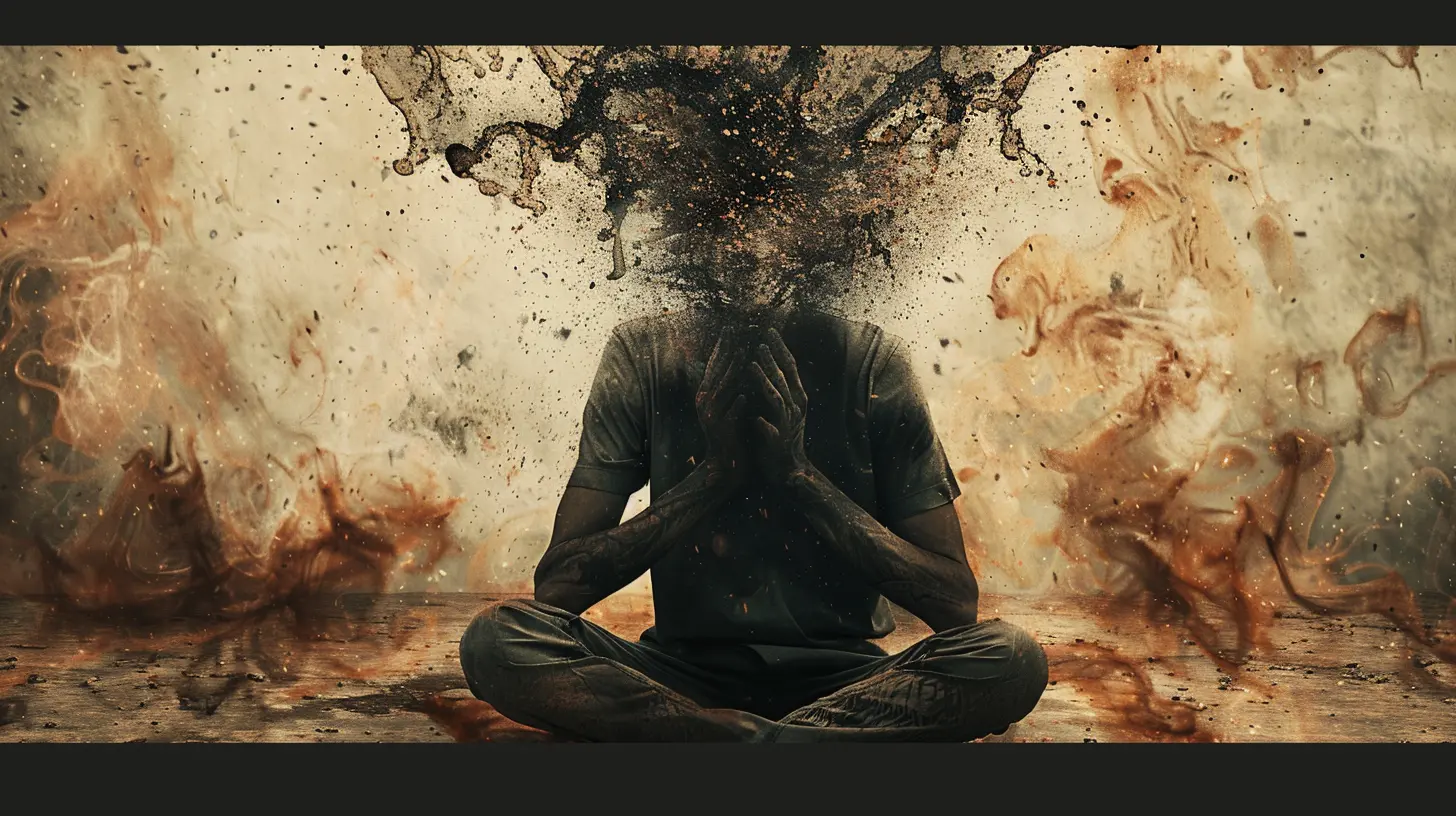
What is Dissociation, Really?
Let’s break this down.Dissociation is your mind’s escape hatch. It’s like a survival app installed in your brain that boots up during extreme stress. When reality becomes too much to handle—whether due to abuse, violence, or overwhelming fear—our brains sometimes go, “Nope, not dealing with this right now,” and click us out of conscious engagement.
Think of it as your internal emergency exit. That’s dissociation.
Signs You Might Be Dissociating
Ever done any of the following?- Felt detached from your body (like you’re floating above yourself)?
- Experienced memory gaps that don't make sense?
- Zoned out in conversations and forgotten parts of them?
- Felt like the world around you isn’t real?
- Watched yourself in situations like you were in a movie?
If you said “yes” to more than one of these, dissociation might be part of your coping toolkit—whether you asked for it or not.
Trauma: The Trigger Behind the Curtain
Alright, so where does trauma come in?Trauma is any experience that sends your system into overload. It’s deeply personal. What’s traumatic for one person might not phase another. It could be a single event—like a car crash—or ongoing, like chronic childhood abuse or emotional neglect.
Now here’s the thing: dissociation and trauma go hand in hand. Especially when the trauma happens early in life.
When kids grow up in unsafe environments, they often don’t have physical escape routes. They can’t just walk out of the house or ask for help at school. So their brains do the next best thing—they check out. They dissociate. It’s how they survive.
It’s not weakness; it’s biology.
The Many Faces of Dissociation
Dissociation isn’t one-size-fits-all. It’s a spectrum, and it looks different for everyone. Let's put names to those faces.1. Depersonalization
This is when you feel cut off from yourself. You might look in the mirror and not recognize the person staring back. It’s like your body is a suit you’re wearing—but not actually you.2. Derealization
Imagine watching your life like it’s a movie. Everything around you feels fake, distorted, or dreamlike. That’s derealization. The world loses its edge.3. Dissociative Amnesia
This is more than just forgetting where you put your keys. With dissociative amnesia, people forget significant chunks of their life—especially around traumatic events. Sometimes, they don’t even know they’ve forgotten anything.4. Identity Confusion/Alteration
Things get more complex here. Some people experience shifts in their identity, mood, and even voice. In extreme cases, this can develop into Dissociative Identity Disorder (DID), where multiple distinct identities exist within one person. It’s not just a Hollywood plotline; it’s real, and often misunderstood.
Why Do We Dissociate?
Here's the kicker: dissociation is not a flaw. It’s genius, in a twisted kind of way.Our brains are wired to protect us. When things get too intense, and there’s no safe way out, dissociation steps in. It numbs the pain, dulls the fear, and pulls us away from the chaos.
It’s like your mind building a fortress around your most vulnerable parts—only letting them come out when it’s safe again.
But here’s where it gets messy: it works too well. And once it’s been activated, it can become a habit—even when the threat is long gone.
Living in Auto-Pilot Mode
Many people with dissociation live much of their lives on "autopilot." They go through the motions, but something feels missing. Like they’re watching a play instead of living their life.Relationships can suffer. It’s hard to connect deeply when part of your mind is in another room. Work can get hard when you space out during meetings or forget deadlines. And worst of all, the person feels like a ghost in their own life.
And the worst part? It often comes with shame. People think they’re “crazy” or broken. But let’s call that out for what it is—false. Having survived trauma with the tools your brain gave you? That’s strength.
Dissociation and PTSD: A Complicated Dance
Post-Traumatic Stress Disorder (PTSD) and dissociation are often tangled up together. One doesn’t always mean the other, but they’re close companions.When someone with PTSD gets triggered, they might not just relive the memory—they might dissociate entirely. It’s like being yanked back into the past while losing connection with the present. Disorienting? Absolutely.
Some therapists describe it like this: trauma is the wound, and dissociation is the bandage. But when the bandage becomes permanent, it keeps the wound from healing.
Healing: Can You Come Back to Yourself?
The big question: is healing from dissociation possible?Short answer? Yes.
But it’s not a switch you flip. It’s more like defrosting slowly after being frozen for a long time. It requires safety, patience, and often professional help.
Here’s what healing can look like:
1. Therapy—Your Roadmap Back Home
- Trauma-informed therapy: Therapists trained in trauma understand the dance between dissociation and memory. They help you feel safe enough to explore what happened—without pushing you too far, too fast.- EMDR (Eye Movement Desensitization and Reprocessing): This unique therapy helps reprocess traumatic memories in a way that reduces their emotional charge.
- Somatic therapy: Since trauma lives in the body too, these therapies help reconnect you with physical sensations and bodily awareness.
2. Grounding Techniques
Grounding is like calling your mind back to the present. It says, “Hey, you’re safe now.”Try these simple ways:
- Splash cold water on your face
- Hold an ice cube
- Count things in the room (how many blue things can you spot?)
- Use texture—run your fingers over a rough surface
- Say out loud: “My name is ___. It’s [date]. I am safe.”
These may sound basic, but they’re powerful tools to anchor you.
3. Routine and Self-Care
When your inner world is chaotic, small routines offer structure. Sleeping well, eating enough, moving your body—they signal safety to your brain. It’s like telling your nervous system, “We’re good here.”Rebuilding Trust (Especially With Yourself)
One of the hardest things dissociation steals is trust—trust in your emotions, your memories, even your sense of self.Healing means remembering you have a right to take up space. That it’s okay to feel. That you're allowed to remember. And slowly, you begin to trust your inner compass again.
You Are Not Broken
Let’s get one thing super clear: trauma isn’t your fault. And neither is the way you survived it.Dissociation is not weakness, or weird, or shameful. It’s your mind doing what it had to do to protect you. Think about that. Your brain was fighting for you, even when the world wasn’t.
And now, if you're ready, you get to start fighting for yourself—with compassion, not judgment.
Final Thoughts
Dissociation can be confusing, scary, and isolating. But understanding it is the first step toward reclaiming your life. Trauma pulled you away from yourself, but healing is the journey of coming back home.You’re not alone. You’re not broken. You’re just human—with one incredibly smart brain that found a way to make it through.
Now? It’s time to live, not just survive.
all images in this post were generated using AI tools
Category:
Psychological TraumaAuthor:

Ember Forbes
Discussion
rate this article
1 comments
John Rocha
This article sheds light on a vital topic. It's important to recognize how trauma can lead to dissociation as a survival mechanism. Understanding this connection helps in fostering empathy and support for those who are navigating their own healing journeys. Thank you for sharing this insight.
June 5, 2026 at 2:26 AM
Ember Forbes
Thank you for your thoughtful comment. I'm glad the article resonated with you and helped highlight the importance of understanding trauma and dissociation. Your support means a lot.