Trauma and Chronic Pain: The Mind-Body Connection
20 May 2026
Have you ever wondered why some people experience chronic pain long after an injury has healed or why certain individuals suffer from persistent pain without any apparent physical cause? The answer might lie in the intricate connection between trauma and chronic pain. Our bodies and minds are closely intertwined, and when one is affected, the other often follows suit. In this blog post, we’ll dive into the mind-body connection, exploring how trauma can play a pivotal role in chronic pain. So, grab a cup of coffee, and let’s take a deep dive into this fascinating topic!
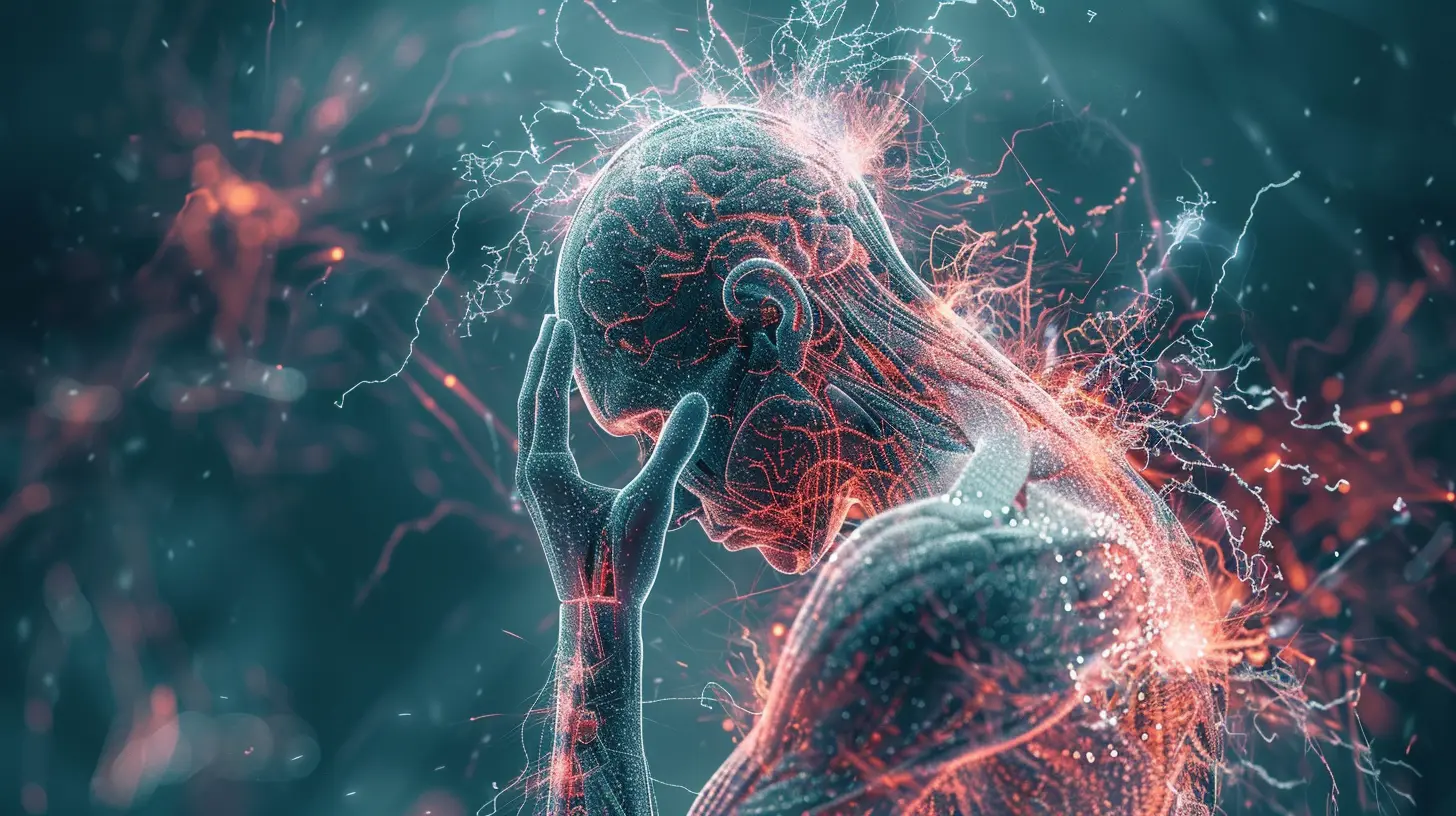
What Is Trauma?
Before we get into the nitty-gritty of how trauma affects chronic pain, let's first define what trauma is. Trauma is an emotional response to a distressing or life-threatening event. This could be anything from physical or sexual abuse, a car accident, natural disasters, or even prolonged exposure to stress. Trauma isn’t always a major event; it can also stem from cumulative experiences, like living with emotional neglect or enduring toxic relationships.When we experience trauma, our bodies go into a "fight, flight, or freeze" mode, releasing stress hormones like cortisol and adrenaline to help us cope. While this response is crucial for survival in the moment, it can have long-lasting effects on our bodies and minds if the trauma isn't processed or resolved.

Chronic Pain: More Than Just Physical
Chronic pain, on the other hand, is pain that persists for more than three months, even after the original injury or cause has healed. It can range from mild to intense and is often resistant to typical treatments like medication or physical therapy. What makes chronic pain so tricky is that it isn’t just a physical issue; it can also have deep psychological roots.If you've ever dealt with chronic pain, you know that it doesn't just affect your body—it impacts your mood, your thoughts, and even your relationships. But what if chronic pain wasn’t just the result of a physical injury? What if it was a manifestation of unresolved trauma from the past?

The Mind-Body Connection
It’s easy to think of pain as purely physical, but pain is actually a complex experience that involves both the body and the brain. When it comes to chronic pain, the mind-body connection plays a huge role. Think of your mind and body as two halves of the same coin. When one side is damaged, the other can feel the ripple effects.For example, someone who has been through a traumatic event may develop chronic pain as a way for their body to “express” the emotional distress they’re feeling. This isn’t to say the pain isn’t real—it absolutely is. But the cause of the pain may not be purely physical.
How Trauma Can Lead to Chronic Pain
There’s growing evidence that trauma can be a significant contributor to chronic pain. Here's how:1. Hyperarousal of the Nervous System: After trauma, the nervous system can remain in a heightened state of arousal, even after the traumatic event is over. This means the body remains on "high alert," and pain signals can become amplified. Imagine your body as a smoke detector that’s sensitive to even the slightest hint of smoke—it’s constantly sounding the alarm, even when there’s no real danger.
2. Repressed Emotions: Trauma often leads to repressed emotions, including anger, sadness, or fear. These emotions, if not properly processed, can manifest as physical pain. Think of it like a pressure cooker—if you don’t release the steam, the pressure builds up and can cause an explosion (or in this case, chronic pain).
3. Changes in Brain Chemistry: Trauma can actually alter the way your brain processes pain. The brain regions responsible for pain perception, like the amygdala and prefrontal cortex, may become hyperactive or dysfunctional. This can result in increased sensitivity to pain, even in the absence of physical injury.
4. Tension and Muscle Guarding: When we experience trauma, our bodies often respond by tensing up. Over time, this can lead to muscle stiffness, tension, and eventually, chronic pain. It's like holding a clenched fist for too long—the longer you hold it, the more it hurts, even though you’re not actively injuring your hand.
5. Psychological Factors: Anxiety, depression, and PTSD are common after trauma, and all of these conditions can increase the perception of pain. When your mental health is compromised, your pain threshold can become lower, making even minor aches feel unbearable.

Types of Trauma-Related Chronic Pain
Trauma can manifest as chronic pain in different ways. Some of the most common types of pain linked to trauma include:1. Fibromyalgia
Fibromyalgia is a condition characterized by widespread pain throughout the body, along with other symptoms like fatigue, sleep disturbances, and memory issues. Many experts believe fibromyalgia can be triggered by a traumatic event, whether physical or emotional. This condition is often considered a perfect example of how emotional distress can manifest as physical pain.2. Chronic Pelvic Pain
Chronic pelvic pain is common in individuals who have experienced sexual or physical abuse. The pain may have no identifiable physical cause, but it can be debilitating nonetheless. This type of pain is often linked to the emotional trauma of the abuse, as the body holds onto the distress in the form of physical discomfort.3. Back and Neck Pain
Many individuals who have experienced trauma report chronic back and neck pain. This can be due to the physical tension that builds up in these areas, as well as the emotional burden carried by the trauma survivor. It's almost like the weight of the trauma is being carried on their shoulders, quite literally.4. Headaches and Migraines
Stress and trauma are known triggers for headaches and migraines. The emotional strain caused by trauma can lead to tension in the muscles of the neck and head, resulting in chronic headaches. In some cases, migraines may also be triggered by unresolved emotional trauma.Healing the Mind to Heal the Body
Now that we understand how trauma can lead to chronic pain, the next question is—how do we heal?1. Therapy
One of the most effective ways to address trauma-related pain is through therapy. Cognitive Behavioral Therapy (CBT), Eye Movement Desensitization and Reprocessing (EMDR), and trauma-informed therapy are all excellent options. These therapies focus on processing and resolving the trauma, which in turn can help alleviate chronic pain.2. Mindfulness and Meditation
Mindfulness practices and meditation can help calm the nervous system and reduce the hyperarousal that often accompanies trauma. By focusing on the present moment and breathing deeply, you can help your body relax, which may reduce pain levels over time.3. Somatic Experiencing
Somatic Experiencing is a body-based therapy that focuses on releasing the pent-up tension and trauma stored in the body. It works by helping individuals become more aware of the physical sensations associated with their trauma and gradually releasing them.4. Exercise and Movement Therapies
Physical activity can be incredibly beneficial for those dealing with chronic pain, especially when it’s trauma-related. Gentle exercises like yoga, tai chi, and even walking can help loosen tight muscles and release stored tension. Movement therapies like Feldenkrais and Dance Movement Therapy can also help individuals reconnect with their bodies in a safe and healing way.5. Medication
In some cases, medications may be necessary to manage chronic pain, especially if it’s accompanied by conditions like depression or anxiety. However, medication should be used in conjunction with other treatments, rather than as a standalone solution.
Breaking the Cycle
Chronic pain and trauma can create a vicious cycle, where the pain leads to more emotional distress, and the emotional distress leads to more pain. The key to breaking this cycle is addressing both the physical and emotional aspects of pain. By treating the trauma that may be fueling the pain, you can help your body heal in a more holistic way.Don’t get me wrong, this process isn’t easy. Healing from trauma takes time, patience, and a lot of self-compassion. But by acknowledging the mind-body connection, you can take the first step towards breaking free from the grip of chronic pain.
Final Thoughts
The connection between trauma and chronic pain is a complex but undeniable one. While it might be tempting to view pain purely through a physical lens, we must also consider the emotional and psychological factors at play. Trauma can leave a lasting imprint on both the mind and body, and in many cases, chronic pain is one of the ways that imprint manifests.If you or someone you know is struggling with chronic pain, it’s worth considering whether unresolved trauma might be contributing to the issue. By addressing the trauma, you can begin the journey toward healing—not just for your mind, but for your body as well.
all images in this post were generated using AI tools
Category:
Psychological TraumaAuthor:

Ember Forbes
Discussion
rate this article
1 comments
Jackson Fry
Understanding the link between trauma and chronic pain can empower healing and improve quality of life.
June 6, 2026 at 2:57 AM