The Role of Technology in Modern Psychological Testing
17 May 2026
If there’s one area where the phrase “the future is now” hits home, it’s in psychology. Psychological testing — once limited to paper-pencil tests, clipboards, and lengthy interviews — has experienced a tech-infused makeover. Now, from our smartphones to VR headsets, technology is reshaping not just how we test but what we can learn about the human mind.
But like all things shiny and new, it’s worth asking: Is this a good thing? Or are we racing ahead too fast without stopping to think? In this article, we’re going to unpack the role of technology in modern psychological testing, looking at both the benefits and the potential red flags. Buckle up — it’s about to get interesting.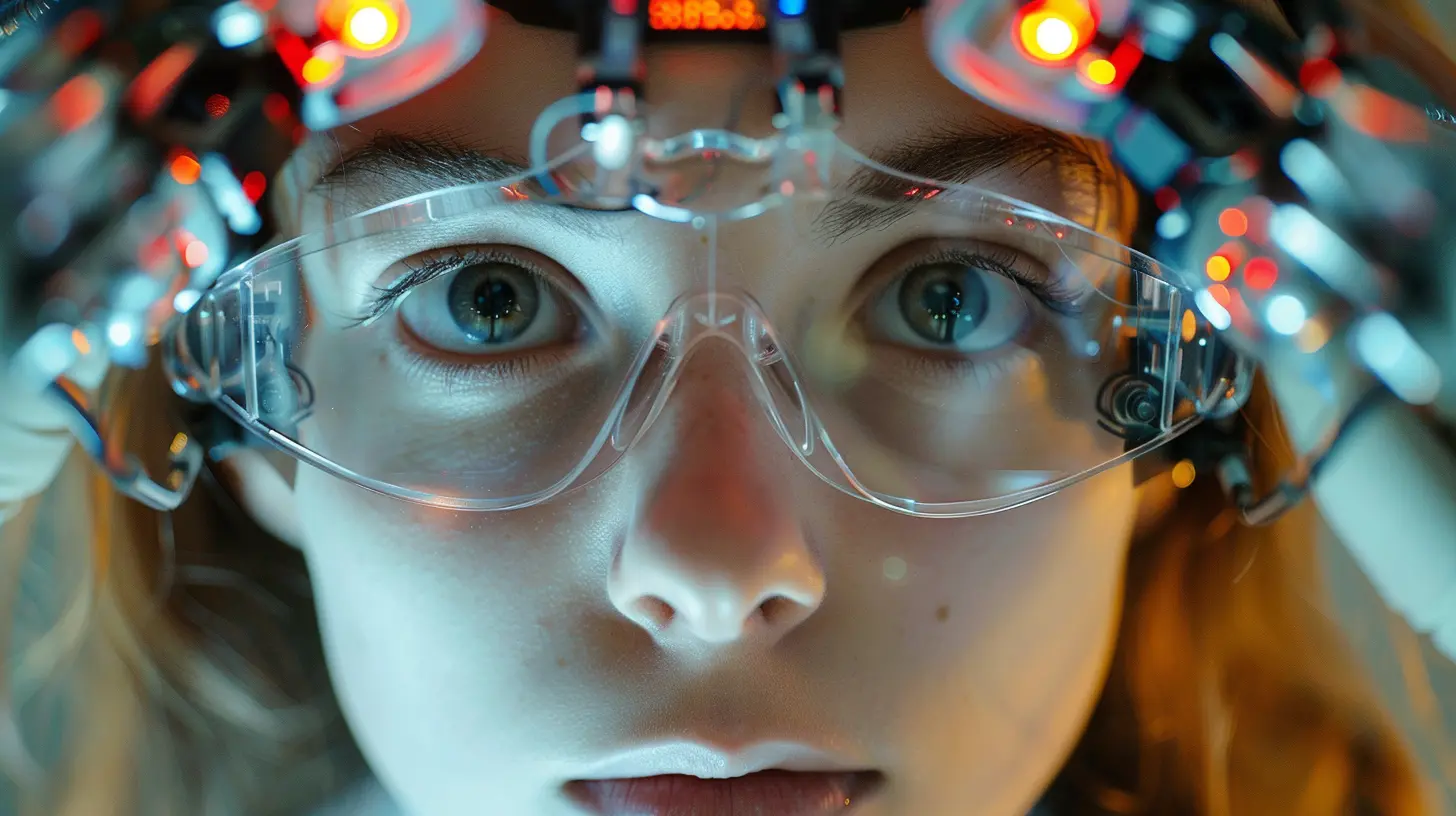
What Exactly Is Psychological Testing?
Before we dive into the techy side of things, let’s clear the air about what psychological testing really is. Unlike random online quizzes that tell you what type of bread you are (yeah, we’ve all done one), psychological tests are standardized tools used by professionals to assess mental functions.These tests are used for:
- Diagnosing mental health disorders
- Evaluating cognitive abilities
- Measuring personality traits
- Workplace assessments
- Educational placement
The key word here is “standardized.” These tests are carefully designed and validated to provide accurate, reliable results — which makes the leap to tech a pretty big deal.
From Clipboards to Clicks: A Quick History
Back in the day (think early 1900s), psychological testing was all about face-to-face interaction. Picture a psychologist with a stopwatch and a stack of test papers. Fast-forward to the digital age, and most tests are now computerized. Thanks to advancements in software and data science, some are even adaptive — changing questions in real-time based on your responses.This evolution didn’t happen overnight. It followed the broader expansion of technology into healthcare and education. As computers became more accessible, it was only natural they’d find their way into psychology.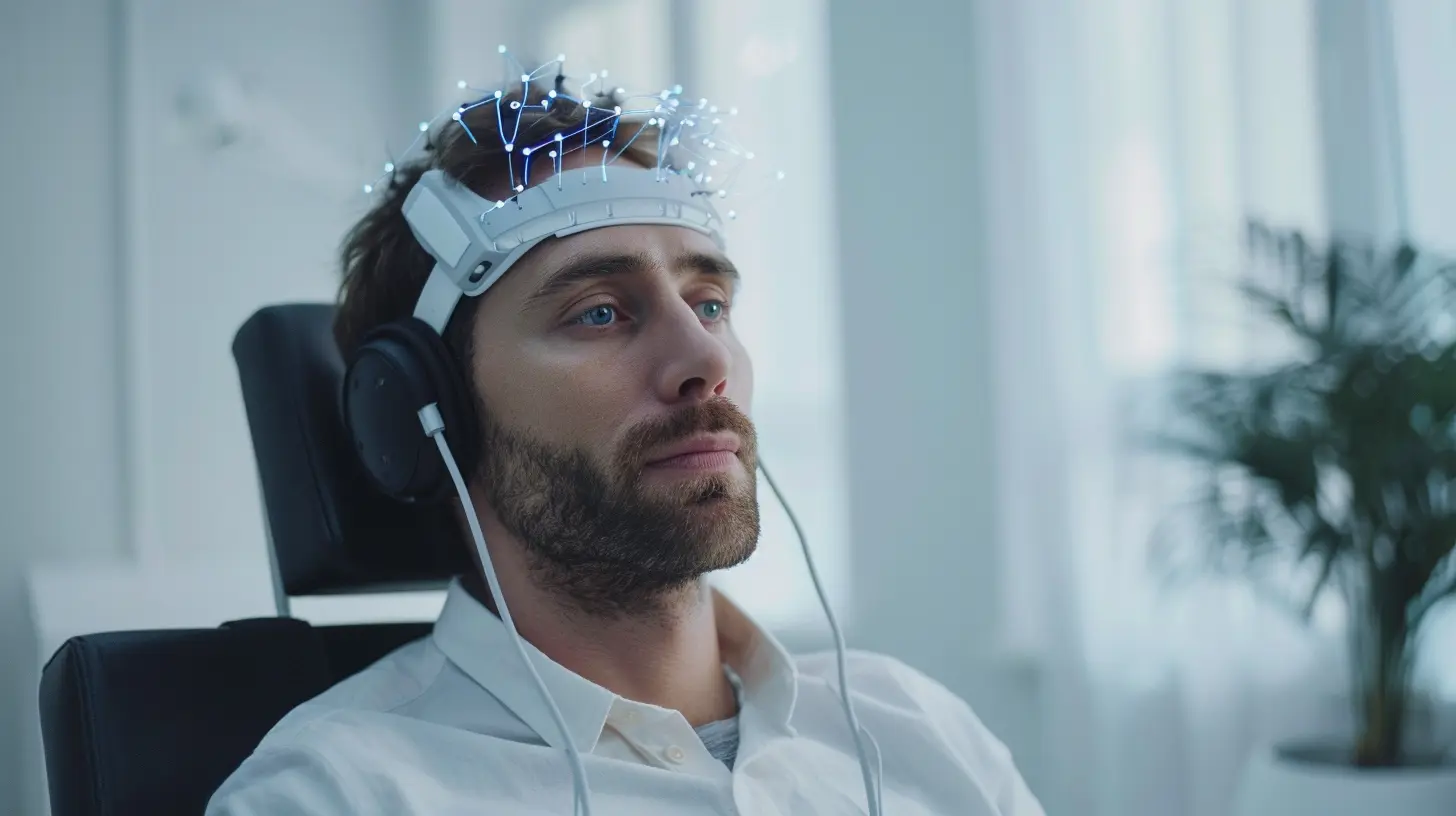
How Technology Is Revolutionizing Psychological Testing
Let’s get into the meat of it. How is technology changing the game? Spoiler alert: in more ways than one would think.1. Efficiency and Accessibility
Say goodbye to the days of waiting weeks for test results.Today, computerized tests can:
- Score in real-time
- Adjust question difficulty autonomously
- Provide immediate feedback to both clinician and patient
Plus, with cloud-based platforms, clinicians can administer tests remotely. This is huge for clients in rural areas, people with mobility challenges, or anyone who's just not up for yet another trip to the office.
And for psychologists? It frees up time from grading to actually doing what they’re trained for — interpreting results and helping clients.
2. Precision and Customization
Technology allows for a level of precision that old-school testing methods could only dream of. We’re talking tests fine-tuned to milliseconds, tracking not just answers but response times, eye movements, and even facial expressions through built-in AI cameras.Take adaptive testing, for example. It adjusts in real-time depending on how someone answers. Struggling with a math problem? The test dials it down. Killing it on the logic section? It gets tougher. This makes results far more tailored and, in turn, more accurate.
3. Gamification of Testing
This one’s pretty cool. Gamified psychological assessments make the process less intimidating — especially for kids or people with testing anxiety.Instead of filling in bubbles on a scantron, users might navigate a virtual world, solve puzzles, or interact with characters designed to measure cognitive or emotional traits. These interactive features help maintain attention and reduce stress, while still gathering the same (if not better) diagnostic insights.
4. Big Data and AI in Psychological Testing
We’d be lying if we didn’t say this was the sexy part of technological development in testing.Artificial intelligence (AI) isn’t just for self-driving cars anymore. In psychology, it’s helping analyze patterns across massive datasets, uncovering nuances that human clinicians might miss. Machine learning algorithms can sift through thousands of test results to identify common traits, warning signs, or developmental pathways.
Even better? AI can assist in early diagnosis. Imagine detecting signs of Alzheimer’s or depression long before symptoms become obvious. That’s powerful.
The Flip Side: What Are the Risks?
Okay, so all this tech sounds amazing, right? But hold on — let’s not jump on the hype train without checking where it’s headed. Technology can enhance psychological testing, sure. But it also comes with some red flags.1. Privacy and Data Security
Digital tests mean digital data — and when mental health information is involved, privacy matters big time. If platforms aren’t secure, sensitive personal data could be exposed. That’s more than just a bad day; that’s potentially harmful for clients and liable for providers.We’ve seen breaches in healthcare data before. The same risks apply here unless strict regulations and cybersecurity protocols are in place.
2. Ethical Concerns with AI
AI has potential, but it’s not flawless. Algorithms can sometimes reflect the biases in the data they’re fed. If not carefully designed, that can lead to skewed or unfair test outcomes.Plus, who is ultimately responsible when AI makes an error in mental health assessment? The clinician? The company that made the software? That’s still a gray area — and one that needs clear guidelines.
3. Over-Reliance on Technology
Here’s the thing. No matter how fancy a test is, it’s still just a tool. It can’t replace the intuition, empathy, and deep analysis of a trained psychologist.There’s a risk that clinicians (or institutions) might rely too heavily on tech, sidelining critical human oversight. A test might flag someone as “low risk,” but a trained professional might pick up on subtle signs that the algorithm missed.
Let’s not forget: psychology, at its core, is about human interactions. Tech should support that — not replace it.
Real-World Applications: Where It’s Working Well
To balance things out, it’s worth looking at some areas where technology in psychological testing is already shining.a. Telepsychology and Remote Testing
COVID-19 pushed a lot of practices online — including psychological assessments. Platforms like Pearson’s Q-global or PsyToolkit allow clinicians to conduct valid assessments virtually, maintaining continuity of care.b. Educational Settings
Schools are using digital tools to screen kids for learning disabilities, ADHD, or giftedness. The process is faster and more inclusive, helping students get the support they need without delay.c. Workplace Assessments
Companies are using tech-based personality and aptitude tests in hiring. While not foolproof, these tools give insights into cognitive abilities, emotional intelligence, and team compatibility.What the Future Holds
The future of psychological testing? Think even more personalization, biofeedback integration, and real-time assessments.We’re talking about wearable tech tracking your stress levels throughout the day. Picture a smart watch alerting you (and your therapist) when your anxiety spikes. Or AI that picks up on depressive language in your social media posts.
Sounds wild? Maybe. But it’s already starting.
Virtual reality (VR) is also on the horizon. Imagine treating phobias or PTSD using immersive simulations that adapt on the fly to a user’s reactions — all while collecting diagnostic data.
What Does This Mean for You?
Whether you’re a psychologist, a patient, or just someone fascinated by the mind, technology in psychological testing touches us all. It's making mental health support more accessible, personalized, and data-driven.But (and this is important), it’s not a magic fix.
We’ve got to be smart about how we use it — combining the strengths of tech with the wisdom of trained professionals. Because when it comes to understanding the human mind, no app can fully capture what makes us… well, human.
Final Thoughts
Technology in psychological testing isn’t just a trend — it’s a transformation. Like any powerful tool, how we use it determines whether it helps or harms.It’s exciting, a little scary, and full of potential. But if we keep ethics, human oversight, and compassion at the center, the future of psychological testing looks brighter than ever.
So, next time you see a psychological test delivered on a screen instead of a sheet of paper, just remember: it’s not the loss of tradition — it’s the evolution of understanding ourselves in a digital age.
all images in this post were generated using AI tools
Category:
Psychological TestingAuthor:

Ember Forbes
Discussion
rate this article
1 comments
Wren McHugh
Technology enhances accuracy in psychological testing today.
June 3, 2026 at 4:23 PM
Ember Forbes
I agree, technology has significantly improved the precision and reliability of psychological assessments.