The Role of Sleep in Combating Emotional Fatigue
26 September 2026
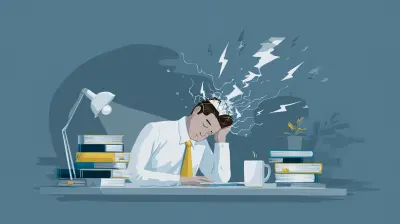
Emotional fatigue is not simply a synonym for feeling tired after a long week. It is a specific state of depletion that affects how a person regulates emotions, makes decisions, tolerates frustration, and connects with others. People often describe it as running on empty, feeling raw, or having nothing left to give. While many factors contribute to this condition, sleep is one of the most powerful and most frequently underestimated. Understanding how sleep works, why it matters for emotional resilience, and how to protect it can transform the way someone manages emotional exhaustion.

What Emotional Fatigue Actually Is
Emotional fatigue refers to the gradual depletion of the mental and emotional resources required to process feelings, respond to stress, and maintain social interactions. It differs from physical tiredness, although the two often overlap. A person with emotional fatigue might sleep eight hours and still feel drained because the quality and architecture of that sleep were poor, or because the underlying emotional load has not been addressed.Common signs include irritability over minor issues, difficulty feeling pleasure, a sense of detachment from loved ones, reduced empathy, trouble concentrating, and a lowered tolerance for everyday stressors. These symptoms can appear in anyone, but they are especially common among caregivers, healthcare workers, parents of young children, people in high-conflict relationships, and professionals in emotionally demanding roles.
The key insight is that emotional fatigue is not a character flaw or a sign of weakness. It is a physiological and psychological state that responds to specific inputs, and sleep is one of the most influential of those inputs.

Why Sleep Is More Than Rest
Sleep is often described as the body's way of recharging, but that metaphor is too simple. During sleep, the brain performs essential maintenance that directly affects emotional functioning. This includes consolidating memories, clearing metabolic waste, regulating hormones, and recalibrating the systems that govern mood and stress response.Two sleep stages deserve particular attention. Rapid eye movement sleep, commonly known as REM sleep, plays a central role in processing emotional experiences. During REM, the brain revisits emotional memories with reduced levels of norepinephrine, a stress-related chemical. This allows the emotional charge of those memories to soften. Without adequate REM sleep, difficult experiences remain more vivid and more distressing, which compounds emotional fatigue over time.
Deep slow-wave sleep supports physical restoration and helps regulate the endocrine system, including cortisol, the primary stress hormone. When slow-wave sleep is fragmented, cortisol patterns become irregular, and the body remains in a low-grade state of alertness. This makes it harder to recover from stress and easier to feel overwhelmed.

The Vicious Cycle Between Poor Sleep and Emotional Exhaustion
One of the most important dynamics to understand is that sleep and emotional fatigue reinforce each other in a loop. Emotional distress makes it harder to fall asleep and stay asleep. Poor sleep, in turn, reduces the capacity to handle emotional distress. This creates a downward spiral that can feel impossible to break without deliberate intervention.Consider a common example. A manager has a difficult conversation with an employee. That evening, she lies in bed replaying the conversation. Her mind races, her body stays tense, and she takes longer than usual to fall asleep. The next day, she is more reactive with her team, which creates new conflicts. That night, she sleeps poorly again. Within a week, she is emotionally exhausted and convinced that the problem is her job. In reality, the problem is partly a sleep problem that has become an emotional problem.
Recognizing this loop is the first step toward breaking it. Improving sleep does not erase the original stressor, but it restores the mental resources needed to address it.

What Happens in the Brain When Sleep Is Lost
Research in affective neuroscience has shown that sleep deprivation amplifies activity in the amygdala, the brain region involved in detecting threats and generating emotional responses. At the same time, it reduces activity in the prefrontal cortex, which is responsible for impulse control, reasoning, and emotional regulation. The result is a brain that reacts more strongly and regulates less effectively.This combination explains why sleep-deprived people are more likely to interpret neutral comments as hostile, to overreact to minor setbacks, and to struggle with perspective-taking. It also explains why sleep loss is associated with increased anxiety, depressed mood, and interpersonal conflict.
There is also a cumulative effect. A single night of poor sleep makes someone more emotionally reactive. Several nights of poor sleep can produce a persistent negative mood bias, where the brain defaults to interpreting events through a darker lens. This is not a matter of attitude. It is a measurable change in how the brain processes information.
Sleep Debt and Emotional Recovery
The concept of sleep debt is useful but often misunderstood. Sleep debt refers to the cumulative effect of regularly getting less sleep than the body needs. Some people believe they can fully repay sleep debt by sleeping in on the weekend. While recovery sleep does help, it does not completely reverse all effects, especially those related to emotional regulation and circadian rhythm.A more effective approach is consistency. Going to bed and waking up at roughly the same time every day, including weekends, stabilizes the circadian system. This stability supports more efficient sleep, which in turn supports emotional resilience. For people with significant sleep debt, a gradual increase in sleep duration over several weeks is usually more effective than one long catch-up session.
The Role of Sleep Quality Versus Quantity
Many people focus only on hours slept. While duration matters, quality is equally important. Someone can spend eight hours in bed but wake up unrefreshed if sleep is fragmented, if REM and slow-wave sleep are insufficient, or if underlying conditions such as sleep apnea interfere with breathing.Signs of poor sleep quality include waking frequently during the night, feeling unrefreshed despite adequate time in bed, relying on caffeine to function, and experiencing daytime sleepiness that interferes with work or relationships. When these signs are present, increasing time in bed may not help. Addressing the underlying cause is essential.
Practical steps to improve sleep quality include keeping the bedroom cool, dark, and quiet, limiting alcohol in the evening, avoiding heavy meals close to bedtime, and reducing screen exposure in the hour before sleep. These measures are not dramatic, but their cumulative effect on emotional functioning is significant.
Sleep and the Stress Response
The relationship between sleep and the stress response is bidirectional. Chronic stress elevates cortisol and disrupts sleep. Poor sleep elevates cortisol and makes stress feel more intense. This is why people in emotionally demanding situations often find that their sleep deteriorates at exactly the moment they need it most.One practical implication is that sleep should be treated as a non-negotiable part of stress management, not as a reward for finishing everything else. When sleep is sacrificed to meet demands, the ability to meet those demands declines. This is a trade-off that rarely pays off.
Practical Strategies for Using Sleep to Combat Emotional Fatigue
Improving sleep to reduce emotional fatigue requires more than good intentions. It requires a structured approach that addresses both sleep habits and the emotional patterns that interfere with sleep.Build a Consistent Sleep Window
Choose a realistic bedtime and wake time that you can maintain most days. The goal is not perfection but consistency. A stable sleep window trains the body to expect sleep at certain times, which makes falling asleep easier and improves sleep architecture.Create a Wind-Down Routine
The brain needs time to shift from active mode to sleep mode. A 30 to 60 minute wind-down routine signals that the day is ending. This might include dimming lights, reading something light, stretching, or writing down tomorrow's tasks to reduce mental clutter. The specific activity matters less than the consistency.Address Rumination Before Bed
Rumination is one of the most common barriers to sleep, especially for people with emotional fatigue. If your mind tends to replay conversations or worry about the future at night, try scheduling a "worry time" earlier in the evening. Spend 10 to 15 minutes writing down concerns and possible next steps. When the same thoughts appear at bedtime, remind yourself that they have already been addressed and can wait until tomorrow.Limit Stimulants and Alcohol
Caffeine has a long half-life and can interfere with sleep even when consumed in the afternoon. Alcohol may help someone fall asleep faster, but it fragments sleep later in the night and suppresses REM sleep. Reducing both, especially in the hours before bed, can noticeably improve sleep quality.Protect Sleep From Emotional Labor
People in emotionally demanding roles often carry work home in their minds. Creating a clear boundary, such as a short walk after work, a change of clothes, or a few minutes of journaling, can help the brain transition out of work mode. This is not about ignoring responsibilities. It is about giving the nervous system permission to stand down.When Sleep Alone Is Not Enough
Sleep is powerful, but it is not a cure for every form of emotional fatigue. If someone is in an ongoing stressful situation, such as a toxic workplace, an abusive relationship, or a caregiving role without support, better sleep will help but will not resolve the underlying problem. In these cases, sleep improvement should be paired with practical changes, professional support, or both.Similarly, if emotional fatigue is accompanied by persistent low mood, anxiety, or thoughts of self-harm, sleep interventions are not a substitute for mental health treatment. A qualified professional can help address the deeper issues that sleep alone cannot reach.
Common Mistakes and Misconceptions
One common mistake is treating sleep as a luxury rather than a foundation. People often cut sleep first when demands increase, not realizing that this reduces their capacity to handle those demands.Another mistake is relying on willpower to fix sleep. Sleep is not a matter of discipline. It is a biological process influenced by light, temperature, timing, and stress. Working with these factors is more effective than trying to force sleep through sheer determination.
A third misconception is that everyone needs exactly eight hours. Sleep needs vary. Some people function well on seven hours, while others need nine. The right amount is the amount that allows you to wake up feeling restored and to function well during the day.
Finally, many people believe that sleeping more on weekends can undo the damage of a sleep-deprived week. While recovery sleep helps, it does not fully restore emotional regulation or reset the circadian system. Consistency remains the better strategy.
A Balanced View of Sleep and Emotional Health
It is important not to overstate the role of sleep. Emotional fatigue is complex, and sleep is one part of a larger picture that includes social support, physical activity, nutrition, meaning, and boundaries. However, sleep is unique in that it affects all of these other factors. Poor sleep makes it harder to exercise, harder to connect with others, harder to make good decisions, and harder to find meaning in daily life.For this reason, sleep is often the most efficient place to start. Improving sleep does not require a complete life overhaul. It requires a series of small, consistent changes that compound over time. The payoff is not just better rest. It is a more stable mood, greater patience, clearer thinking, and a stronger capacity to face emotional challenges.
Conclusion
Emotional fatigue is a real and often misunderstood condition. It drains energy, erodes relationships, and reduces the ability to cope with everyday stress. While many factors contribute to it, sleep is one of the most influential and most modifiable. By understanding how sleep affects emotional regulation, recognizing the cycle between poor sleep and exhaustion, and taking practical steps to improve sleep quality and consistency, people can rebuild their emotional resources and respond to life's demands with greater resilience. Sleep is not a luxury or a reward. It is a foundation, and treating it as such is one of the most effective ways to combat emotional fatigue.
all images in this post were generated using AI tools
Category:
Emotional BurnoutAuthor:

Ember Forbes
Discussion
rate this article
1 comments
Fable Snyder
Sleep: the ultimate emotional reset button. Who knew that counting sheep could be the secret to feeling more human?
September 26, 2026 at 3:44 AM