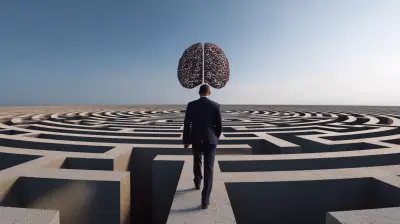
The Interplay Between Addiction and Mental Health Disorders
31 January 2026
Let’s face it—understanding the relationship between addiction and mental health can feel like trying to untangle a pair of headphones that’s been in your pocket for too long. Both are complex on their own, but when they show up together (which they often do), things can get pretty overwhelming.
In this article, we're diving deep into how addiction and mental health disorders influence each other. Whether you're someone who’s personally affected, know someone who is, or you're just curious, this guide will break down the intricate dance between the two. So, grab a cup of coffee and let’s chat about the reality behind co-occurring disorders.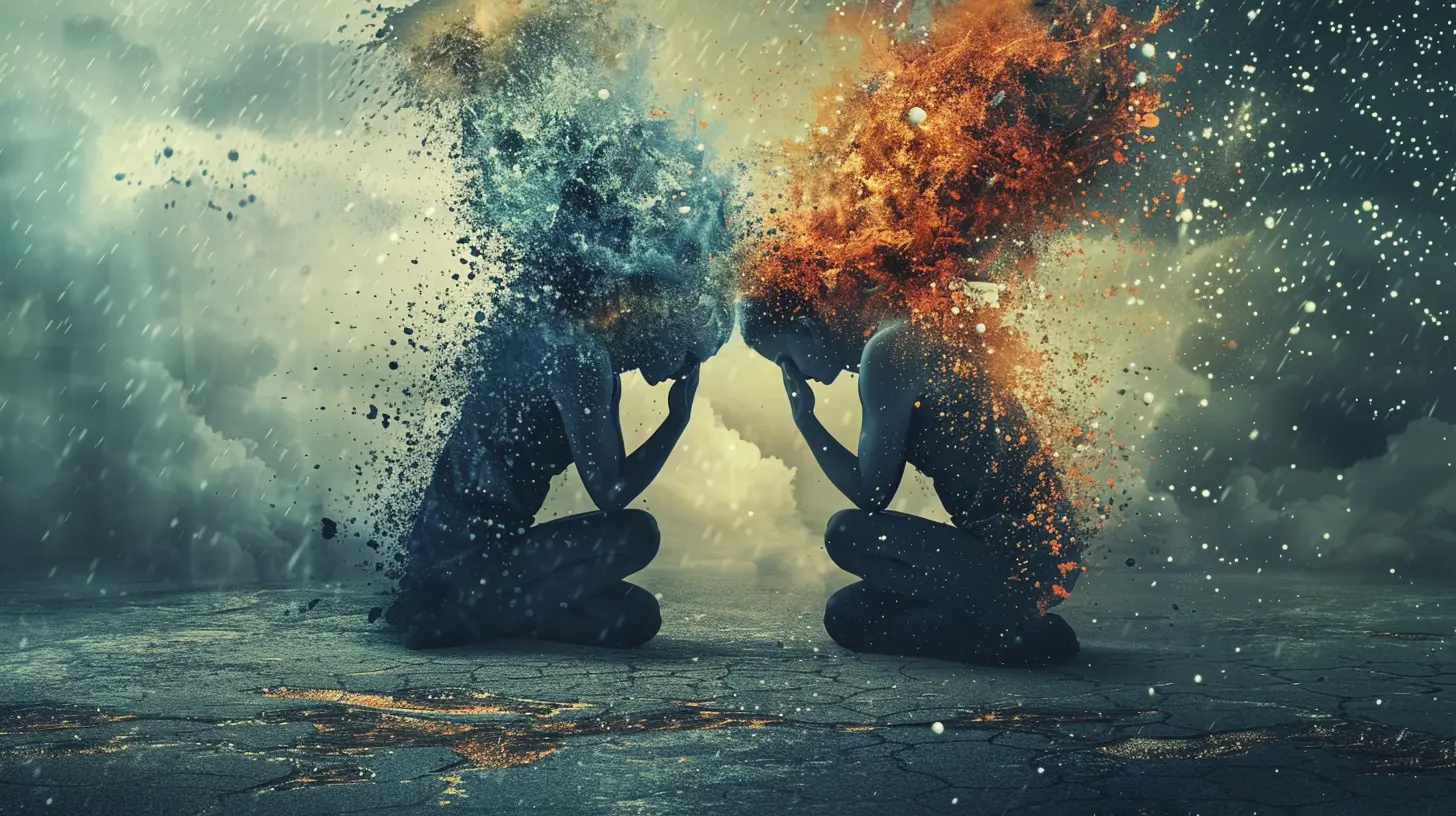
What Exactly Are Co-Occurring Disorders?
Let’s start with the basics. When someone has a mental health disorder and a substance use disorder at the same time, it's called a co-occurring disorder or dual diagnosis. It doesn't mean one caused the other directly, but trust me, they don't exist in silos. They often feed off each other, making recovery more challenging but not impossible.Think of it this way: if your emotional world is a house, mental illness might break a few windows, and addiction could be setting the kitchen on fire. Both cause damage, but together, they can burn the whole structure down—unless we intervene.
Why Addiction and Mental Health Often Go Hand-in-Hand
You might wonder, “Why do these two so often show up as a package deal?” Great question.Self-Medicating: A Dangerous Shortcut
Mental health struggles can feel unbearable. Anxiety, depression, PTSD—they don’t just make your day harder; they can make life feel unlivable. That’s where substances come in. For many, drugs or alcohol seem like a quick-fix escape hatch. But while substance use might dull the pain temporarily, it ends up making things worse long-term.Imagine using duct tape to fix a leaking pipe. It might hold for a few hours, but eventually, it's going to burst, and the flood will be even messier.
Brain Chemistry Is in the Mix
The brain is like a finely-tuned orchestra. Mental health disorders and addiction both mess with the harmony. Neurotransmitters—those little chemical messengers like dopamine and serotonin—get thrown out of balance. And when these chemicals go haywire, your thoughts, feelings, and behaviors can spiral.Add substances into the mix, and you’re setting off fireworks in a room full of dynamite.
Genetics and Environment: Nature and Nurture at Work
Some people are just more vulnerable due to their genetic makeup. Others grow up in unstable homes, witness trauma, or face ongoing stress—all of which can contribute to mental illness and substance abuse.It’s like planting a seed in toxic soil. The environment may not be nurturing, so the growth turns out distorted or fragile.
Common Mental Health Disorders Linked to Addiction
Let’s break down the usual suspects. Here are some of the more common mental health disorders tied to addiction:1. Depression
It's not just feeling sad. It's like living under a gray cloud that won’t lift. Many who battle depression turn to alcohol or drugs to escape the numbness or emotional pain—only to find that the same substances worsen their lows over time.2. Anxiety Disorders
This includes generalized anxiety, social anxiety, panic disorders, and more. People with anxiety often use substances to “take the edge off,” but substances often increase anxiety symptoms after their effects wear off.3. Post-Traumatic Stress Disorder (PTSD)
PTSD is common among veterans, abuse survivors, and accident victims. Flashbacks, nightmares, and hypervigilance can push individuals to use substances as a coping mechanism.4. Bipolar Disorder
The intense mood swings in bipolar disorder—from manic highs to depressive lows—can lead to erratic behavior, including substance use as a misguided form of balance or control.5. Schizophrenia
Though less common, schizophrenia is a severe mental illness that can involve delusions and hallucinations. People may self-medicate to deal with the scary and confusing symptoms.
The Vicious Cycle: How One Feeds the Other
Here’s the real kicker—when addiction and mental illness intertwine, they make each other worse. You’re not just fighting one monster; you’re up against a tag team.For example, let’s say someone has severe anxiety and starts drinking to cope. The alcohol might initially calm their nerves, but over time, it disrupts their sleep, increases panic, and leads to physical dependence. Now, they don’t just have anxiety—they have alcoholism too.
And vice versa—a person with a substance use disorder might develop depression due to the effects drugs have on their brain chemistry. It's a loop, and it's hard to break unless both issues are treated together.
Why Treating One Without the Other Doesn’t Work
You can’t fix the roof if the foundation's crumbling. That’s why siloed treatment—where you only focus on either the addiction or the mental health disorder—often fails.Treating just the addiction might help someone get sober… but without addressing the underlying depression, anxiety, or trauma, the urge to relapse remains high.
Treating just the mental illness? That’s like trying to run a marathon with a ball and chain. Substance use undermines medication effectiveness, therapy progress, and emotional stability.
Enter the integrated treatment approach—treating both issues simultaneously with a personalized plan. That’s where the real healing happens.
The Role of Therapy in Dual Diagnosis Recovery
Let’s talk solutions. Therapy is a cornerstone of recovery for co-occurring disorders. But not just any therapy—specific, tailored approaches work best.Cognitive Behavioral Therapy (CBT)
CBT helps people spot and change harmful thought patterns. It’s especially useful for both addiction and mental health issues. Think of it as mental floss—it keeps those thought cavities from forming and spreading.Dialectical Behavior Therapy (DBT)
Originally designed for borderline personality disorder, DBT is great for managing intense emotions and building coping skills. It’s like emotional weightlifting—you get stronger with practice.Motivational Interviewing
This method helps people resolve the internal conflict about wanting to change but feeling stuck. It’s non-confrontational, encouraging personal motivation rather than pushing someone into a corner.Medication: Friend or Foe?
Sometimes, medication gets a bad rap. But when used responsibly and under medical supervision, it can be a game-changer. Antidepressants, anti-anxiety meds, mood stabilizers—when combined with therapy—can bring balance back to someone’s life.But here’s the key: medications should never be the only tool in your toolbox. They're part of a larger, holistic plan.
Support Systems: No One Heals Alone
Trying to recover solo is like trying to row a boat with one oar. You just keep spinning in circles.Whether it’s family, friends, support groups, or peer recovery coaches, having people in your corner matters. Groups like Alcoholics Anonymous, SMART Recovery, or Dual Recovery Anonymous can be lifelines. Therapists and case managers can help connect the dots and keep you on track.
Remember, healing doesn’t happen in isolation. We’re wired for connection.
Real Talk: Stigma Still Exists
Sadly, people with co-occurring disorders often face double the stigma. Society shames them for struggling with addiction and questions their mental stability. That’s not just unfair—it’s harmful.Let's shift the conversation from blame to compassion. People dealing with these challenges aren’t weak or broken. They’re human.
Tips for Coping and Moving Forward
Okay, so what can you actually do? Here's a quick cheat sheet:- Seek professional help early: Don’t wait until things hit rock bottom.
- Find a dual diagnosis treatment center: Not just any rehab or clinic—find one equipped to handle both issues.
- Build a daily routine: Structure provides stability.
- Practice self-care: Nutrition, sleep, exercise—all the basics matter more than ever.
- Stay connected: Whether it’s therapy, group meetings, or just coffee with a friend—don’t isolate.
- Be patient: Healing is a marathon, not a sprint.
Final Thoughts
The interplay between addiction and mental health disorders is messy, complicated, and emotionally intense. But the truth is—recovery is absolutely possible. It takes time, the right support, and a lot of inner work, but people do come out the other side stronger, wiser, and more resilient than ever.So, if you or someone you care about is struggling, don’t lose hope. Reach out, talk to someone, and take the first step. Because every journey starts with a single, brave move forward.
all images in this post were generated using AI tools
Category:
Psychological DisordersAuthor:

Ember Forbes
Discussion
rate this article
2 comments
Nyxaris McCoy
Addiction and mental health: a toxic tango that needs serious intervention, pronto!
February 8, 2026 at 3:24 AM
Ember Forbes
You're absolutely right. Addressing this complex relationship is crucial for effective treatment and recovery. Thank you for highlighting its urgency.
Sadie McKeehan
This article effectively highlights the complex relationship between addiction and mental health disorders. Understanding this interplay is crucial for developing effective treatment strategies that address both issues simultaneously for better patient outcomes.
February 3, 2026 at 5:32 AM
Ember Forbes
Thank you for your insightful comment! I'm glad you found the article highlights the importance of addressing both addiction and mental health together for improved treatment outcomes.