The Intersection of Race and Mental Health: Breaking Down Stereotypes
24 May 2026
Mental health is already a sensitive topic for many people. Now, throw race into the mix, and it becomes even more complex. Have you ever wondered why some communities seem to suffer more in silence when it comes to mental health? Or why certain racial groups are more likely to experience stigma or barriers to mental health care? Let’s dive into the intersection of race and mental health, and break down some of the stereotypes that continue to exist in this space.

Why Talking About Race and Mental Health Matters
First things first: Why are we even talking about race when it comes to mental health? Shouldn’t mental health challenges affect everyone equally? Well, it’s a bit more complicated than that. Although mental health issues impact people of all races and ethnicities, the way different racial groups experience mental health—and how they are treated by the healthcare system—can vary dramatically.The intersection of race and mental health is crucial because it brings to light the unique challenges faced by racial minorities. Whether it’s the added stress of dealing with discrimination, cultural misunderstandings, or a lack of access to appropriate care, race plays a significant role in shaping one’s mental health journey.
But, unfortunately, stereotypes and misconceptions still exist. Let’s break down some of the most harmful myths and explore how we can move past them.

The Impact of Stereotypes on Mental Health
Stereotypes are like invisible walls. They create divisions between people and can make it harder for individuals to reach out for help. When it comes to mental health, racial stereotypes can have devastating consequences.“Strong Black Woman” Stereotype
You’ve probably heard about the “strong Black woman” trope. It’s the idea that Black women are inherently tough, resilient, and able to handle anything life throws at them without needing help. While strength is certainly a positive trait, this stereotype can be incredibly damaging when it comes to mental health.Why? Because it creates an expectation that Black women should always be able to “tough it out” and not show vulnerability. This can lead to feelings of isolation, depression, and anxiety because seeking help might be seen as a sign of weakness.
“Asian Model Minority” Myth
Then there’s the “model minority” myth, which often applies to Asian Americans. This stereotype suggests that Asians are more successful, hard-working, and academically superior than other minority groups. While it might sound like a compliment, it places immense pressure on individuals to live up to these expectations.In reality, many Asian Americans face mental health challenges but may avoid seeking help due to cultural stigmas or fear of shattering the “perfect” image imposed on them. This can result in untreated mental health issues, which can spiral into more severe problems over time.
Latino Machismo
Cultural expectations around masculinity in Latino communities can also create barriers to mental health care. The concept of "machismo" often promotes the idea that men should be stoic, tough, and never show weakness. For Latino men, this can mean ignoring or downplaying mental health struggles, leading to untreated depression or anxiety.These stereotypes are just the tip of the iceberg. The idea that certain racial groups are more or less likely to experience mental health issues—or that they should be able to "handle" them differently—oversimplifies the real, lived experiences of people of color.
So how do we break down these stereotypes? Awareness is the first step. Let’s talk more about how race affects mental health and what can be done to improve care for everyone.

Cultural Barriers to Mental Health Care
Mental health care is not a one-size-fits-all solution, and cultural differences can significantly impact how mental health is understood and treated in various communities. If you belong to a racial or ethnic minority, you might face unique obstacles when seeking mental health care.Language and Communication Gaps
Imagine trying to explain how you’re feeling to someone who doesn’t speak your language. Sounds frustrating, right? For many non-English speakers in the U.S., this is a reality when it comes to seeking mental health care. Language barriers can prevent people from accurately expressing their symptoms, which in turn makes receiving the right diagnosis and treatment more difficult.But it’s not just about language. Communication styles, non-verbal cues, and cultural norms around discussing emotions can also play a role. Some cultures place a high value on privacy, which can make it hard for people to open up about mental health struggles.
Mistrust of the Healthcare System
Historical mistreatment of minority populations by the healthcare system has led to deep-seated mistrust. For example, the infamous Tuskegee Syphilis Study—in which African American men were deliberately left untreated for syphilis—has left a lasting legacy of mistrust among the Black community.This mistrust can make people reluctant to seek out mental health care, especially if they fear they will be misunderstood, mistreated, or even discriminated against by medical professionals.
Lack of Representation in Mental Health Providers
Representation matters. If you’re a person of color seeking mental health care, it can be discouraging to find that most mental health professionals don’t share your cultural background. As of recent data, around 86% of psychologists in the U.S. are white. This imbalance can lead to cultural misunderstandings and even misdiagnoses.When mental health professionals don’t have a deep understanding of the cultural contexts that shape their patients’ experiences, it can create a disconnect. Patients may feel unseen, unheard, or even disrespected, which can lead to them avoiding care altogether.
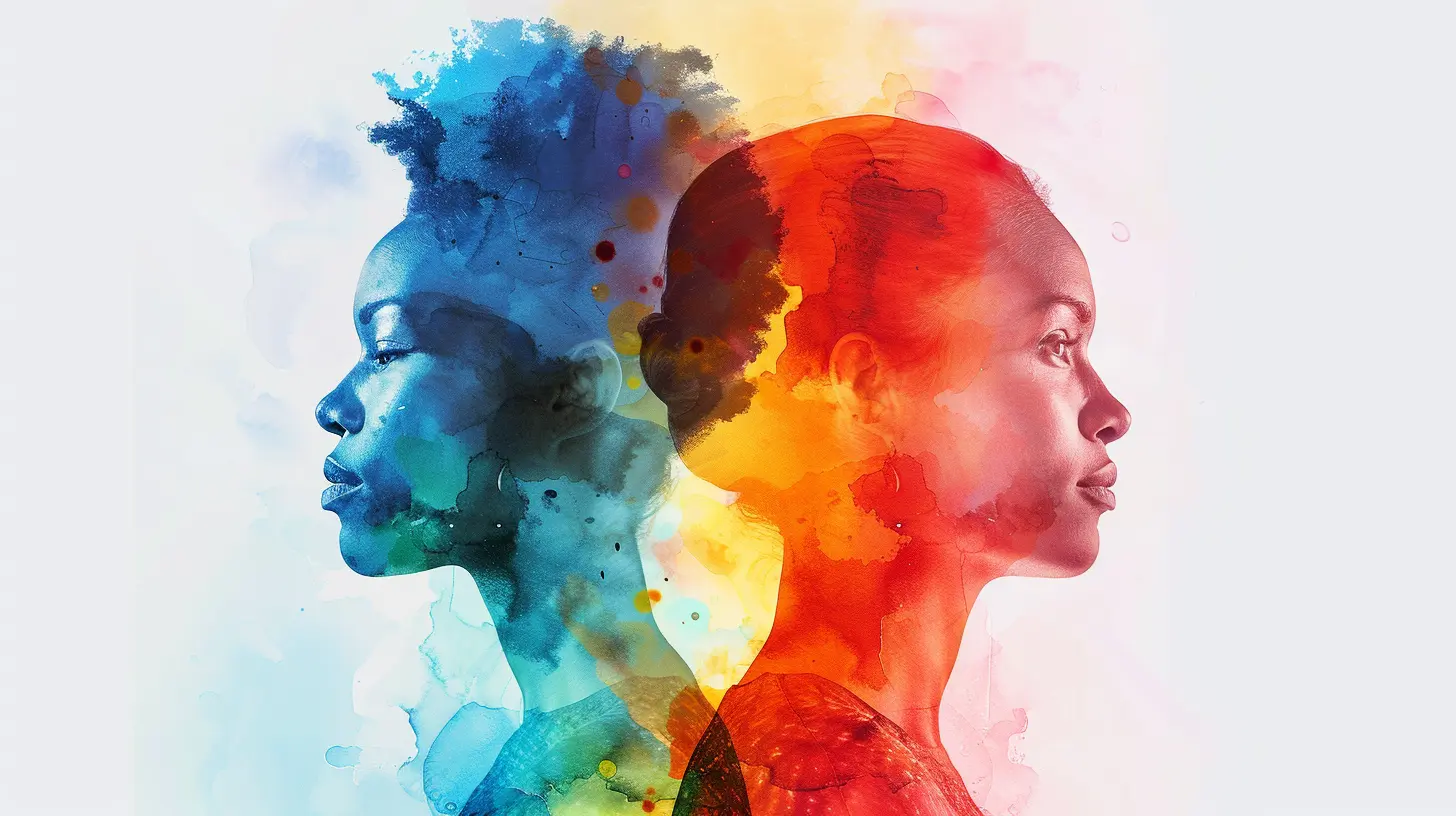
How Racism Affects Mental Health
Racism doesn’t just exist in isolated incidents; it’s a systemic issue that can affect every aspect of a person’s life—including their mental health. Living in a society where you are constantly reminded of your “otherness” can create a chronic state of stress known as racial trauma.Ongoing Discrimination
Experiencing racism, whether overt or subtle, can lead to feelings of anxiety, depression, and self-doubt. Microaggressions—those everyday, subtle, often unintentional slights—are particularly harmful because they accumulate over time. Imagine constantly being told you don’t belong or being treated as if you're less capable simply because of your race. It wears you down.Economic Disparities and Stress
Racial minorities are more likely to live in poverty, face unemployment, or work in low-wage jobs. These economic disparities contribute to stress, which, over time, can lead to mental health issues. The stress of trying to make ends meet, combined with societal discrimination, creates an environment where mental health issues can thrive.Lack of Access to Quality Care
Access to mental health care is already limited in many parts of the U.S., but the situation is even worse for racial minorities. Even when mental health services are available, they may not be affordable or culturally appropriate for people of color. This leaves many individuals without the care they need.Moving Forward: How We Can Support Mental Health in Minority Communities
So, what can we do to address the intersection of race and mental health? While there’s no magic wand that can erase centuries of discrimination and inequality, there are steps we can take to make mental health care more inclusive and accessible for everyone.Increasing Cultural Competency in Mental Health Care
One of the most important steps is improving cultural competency among mental health professionals. Cultural competency means understanding, respecting, and addressing the unique experiences and needs of people from different racial and ethnic backgrounds.Mental health professionals should receive training in cultural awareness, so they can better understand how race, culture, and identity influence mental health. This would help reduce misdiagnoses and create a more welcoming environment for people of color seeking care.
Expanding Access to Mental Health Care
Access is another major factor. We need to increase the availability of affordable mental health services, especially in underserved communities. Telehealth services, community mental health clinics, and sliding-scale payment options are just a few ways to make mental health care more accessible.Promoting Open Conversations Around Mental Health
Finally, we need to promote open and honest conversations about mental health in minority communities. Breaking the stigma starts with changing how we talk about mental health. Schools, workplaces, and community organizations can all play a role in normalizing mental health care and encouraging people to seek help when they need it.
Final Thoughts
The intersection of race and mental health is a complex issue, but it’s one that deserves our attention. By understanding the unique challenges faced by people of color when it comes to mental health, we can start to break down harmful stereotypes and create a more inclusive, supportive mental health system for everyone.The road ahead is long, but by raising awareness, improving access, and promoting culturally competent care, we can make strides toward a future where mental health care is truly equitable.
all images in this post were generated using AI tools
Category:
Mental Health StigmaAuthor:

Ember Forbes
Discussion
rate this article
1 comments
Shania McLain
It's crucial to challenge stereotypes that link race to mental health. These misconceptions do more harm than good. Understanding that mental health affects everyone, regardless of race, can lead to better support and resources. Let's focus on individual experiences, not blanket assumptions. Awareness is the first step to real change.
June 13, 2026 at 3:45 PM
Ember Forbes
I completely agree. Challenging stereotypes is essential for fostering understanding and improving support for everyone. Individual experiences matter, and increasing awareness is key to driving meaningful change. Thank you for highlighting this important issue.