The Role of Emotional Intelligence in Building Self-Esteem
26 January 2026
Have you ever looked in the mirror and questioned your worth? Or maybe you’ve caught yourself spiraling into harsh self-criticism over the smallest mistake? If so, you’re definitely not alone. Self-esteem is a tricky thing—it fluctuates, grows, shrinks, and sometimes hides in the shadows. But what if there was a key ingredient that could help you build stronger, healthier self-esteem?
That key ingredient is emotional intelligence.
Now, emotional intelligence (or EQ for short) isn’t just some buzzword tossed around in leadership seminars. It’s a deeply human skill that can shape the way we see ourselves, handle setbacks, and relate to others. When you understand and manage your emotions, you gain a stronger sense of control. And that? That builds confidence from the inside out.
So let’s dive into this connection—how emotional intelligence can literally rewire the way you feel about yourself.
What Is Emotional Intelligence, Really?
Before we unpack how it links to self-esteem, let’s clear up what emotional intelligence actually means.In simple terms, emotional intelligence is your ability to identify, understand, manage, and express emotions—both your own and other people’s. It’s like your internal emotional toolbox.
Daniel Goleman, the guy who popularized the term, broke it down into five key components:
1. Self-awareness – knowing what you're feeling and why.
2. Self-regulation – managing your emotions in healthy ways.
3. Motivation – using emotions to reach your goals.
4. Empathy – understanding how others feel.
5. Social skills – managing relationships smoothly.
Pretty powerful, right? These aren’t just soft skills; they’re life skills. And they impact how we view ourselves in big ways.
Defining Self-Esteem: It’s More than Just “Feeling Good”
We throw around the word “self-esteem” a lot. But what does it really mean?At its core, self-esteem is how much you value yourself. It’s that inner voice that says, “You’re enough” or, on rough days, “You’re not even close.” It shapes the way we make decisions, take risks, and interact with others. High self-esteem allows us to trust ourselves. Low self-esteem? It can leave us stuck, second-guessing every move.
And here's the kicker—emotional intelligence plays a huge role in which direction that voice leans.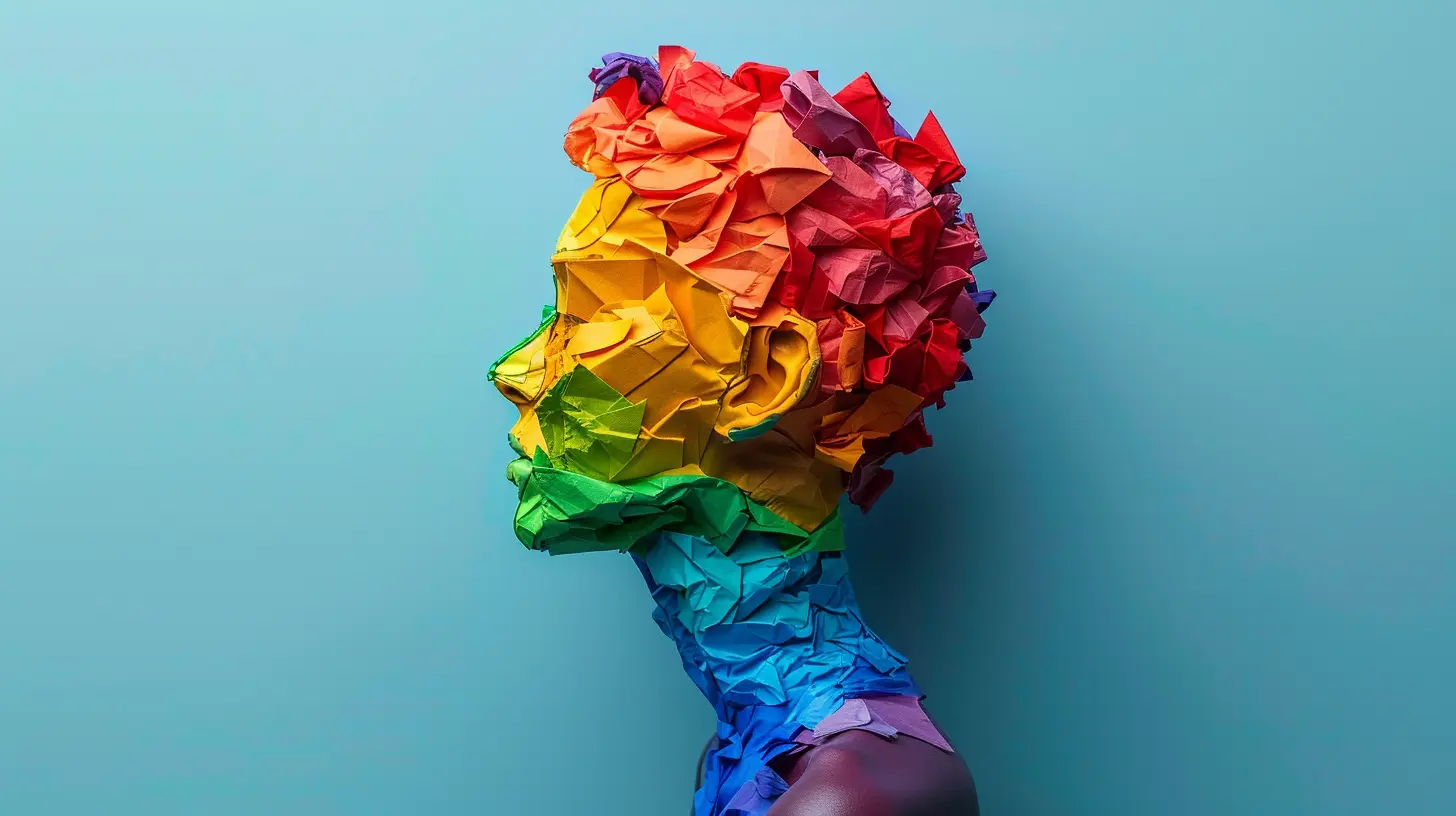
How Emotional Intelligence Builds Stronger Self-Esteem
Let’s break down how each piece of emotional intelligence helps build better, more stable self-esteem.1. Self-Awareness: The Foundation of Self-Acceptance
Think of self-awareness as the flashlight that helps you see what’s really going on inside.When you’re emotionally intelligent, you can name your emotions without being overwhelmed by them. You start to notice, “Hey, I’m feeling anxious because I’m afraid of failing... not because I actually suck at this.”
That small realization? It’s transformative.
👉 With self-awareness, you stop identifying with your emotions, and start observing them. And when you can observe, you get space to choose kindness over criticism.
Self-awareness doesn’t erase insecurities—but it helps you see them with honest, compassionate eyes. And that nurtures self-esteem instead of crushing it.
2. Self-Regulation: Taming the Inner Critic
We all have that annoying inner voice, right? The one that says, “Why did you say that?” or “You’ll never get it right.” Emotional intelligence gives you the ability to calm that voice.Self-regulation is basically the ability to hit pause before reacting. It stops those emotions from hijacking your reality.
You start to say:
- “I messed up... but that doesn’t mean I’m a failure.”
- “I’m feeling down, but this feeling will pass.”
And those statements? They protect your self-esteem from spiraling.
Self-regulation doesn’t mean bottling up emotions—it means honoring them without letting them run the show. And when you can do that, you’re building a stronger, steadier sense of self.
3. Motivation: Turning Emotions into Drive
Emotionally intelligent people don’t wait to feel 100% confident before taking action. They understand that confidence often comes from taking action.This is where internal motivation kicks in.
Think about it: when you’re emotionally in tune, you don’t just chase goals for approval or comparison—you chase them because they align with who you are.
And each time you achieve something (even something small), you're giving your self-esteem real fuel. Not empty praise. But evidence. Proof. Something to stand on the next time doubt tries to creep in.
4. Empathy: Validating Others Without Losing Yourself
You might be wondering: what does empathy have to do with my self-esteem?A lot, actually.
Empathy isn’t just about being kind to others. It’s also about understanding them without taking everything personally. When we lack empathy, we might:
- Internalize someone’s bad mood as our fault.
- Take criticism as a personal attack.
- Avoid setting boundaries because we’re afraid of conflict.
But when you have empathy, you start to realize: “Hey, their reaction says more about them than me.” And that perspective? It's liberating. It lets you show compassion without sacrificing your own well-being.
And that’s a major win for your self-esteem.
5. Social Skills: Building Healthy Relationships (And Letting Go of the Toxic Ones)
Let’s be real—people affect how we see ourselves. A lot.Good relationships lift us up. Toxic ones drag us down. Emotional intelligence helps you navigate both. It gives you the courage to surround yourself with people who respect and support you, and the clarity to walk away from those who don’t.
When you improve your social skills through emotional intelligence, you start creating relationships that mirror your worth. You feel seen. Heard. Valued.
And guess what? That reflection naturally boosts your self-esteem.
Practical Ways to Boost Emotional Intelligence (And Your Self-Esteem)
Here’s the best part: emotional intelligence isn’t something you’re born with or without. It’s a skill. You can grow it. And when you do? Your self-esteem will likely follow.Here are a few simple—yet powerful—ways to start:
1. Journal Your Emotions Daily
Get into the habit of naming what you’re feeling and why. Over time, you’ll start to notice patterns and triggers. This builds self-awareness like nothing else.2. Practice “The Pause”
Before reacting emotionally, try taking a deep breath and asking yourself, “What am I really feeling right now?” This moment of pause allows for thoughtful responses over knee-jerk reactions.3. Use Positive Self-Talk
Speak to yourself like you would a close friend. Would you ever tell a friend they’re worthless? Of course not. So why say that to yourself?4. Reflect on Small Wins
Each day, jot down one thing you did well. It could be as simple as “I stood up for myself” or “I asked for help.” These moments add up. They prove you’re capable.5. Set Healthy Boundaries
Emotional intelligence helps you recognize when someone is draining your energy. Setting boundaries protects your peace—and reinforces that your needs matter.Why This Matters (More Than You Might Realize)
The world’s loud. Social media screams at us to be perfect. Work pushes us to perform. And sometimes, even those closest to us don't see our worth the way we wish they would.In the midst of all that noise, emotional intelligence acts like an inner compass. It helps you tune into the quiet, steady truth: that you are enough—not because you’ve earned it, but because you were always meant to be.
When you develop emotional intelligence, you become more grounded. Less shaken by criticism. Less desperate for validation. Your sense of self doesn't shatter when things get tough—instead, it rises to meet the challenge.
Final Thoughts: You Are the Author of Your Inner Story
Here’s something worth remembering: your self-esteem isn’t something that just “happens” to you. It’s something you build—brick by brick, choice by choice.And emotional intelligence? That’s the toolset that helps you lay the strongest foundation.
So if you’ve ever struggled with feeling “not enough”… know that you are. And you always have been. EQ just helps you see it, feel it, and live from that truth a little more each day.
Keep going. You’ve got this.
all images in this post were generated using AI tools
Category:
Emotional IntelligenceAuthor:

Ember Forbes
Discussion
rate this article
2 comments
Geneva Ford
Emotional intelligence is like a secret sauce for self-esteem—mix it well, and you’ll have a delicious dish of confidence and charm!
February 8, 2026 at 3:24 AM
Ember Forbes
Absolutely! Emotional intelligence truly enhances self-esteem, creating a powerful blend of confidence and interpersonal charm.
Maggie Hudson
Great article! Understanding how emotional intelligence influences self-esteem is crucial for personal growth. Your insights are both enlightening and practical—thank you for sharing this valuable perspective!
January 27, 2026 at 5:41 PM
Ember Forbes
Thank you for your kind words! I'm glad you found the insights helpful for personal growth.